Scientific Data Surah 95 · Ayah 1
Definition of Olive
Definition of Olive
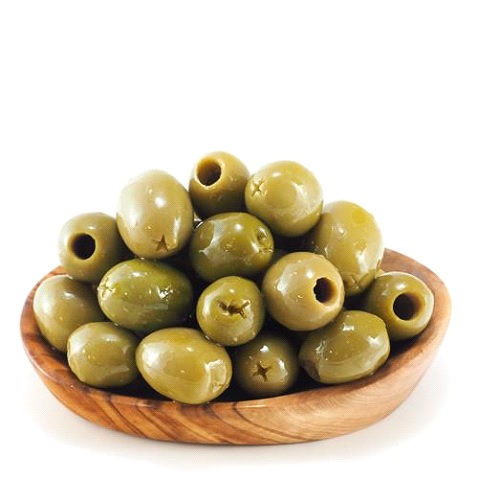
1.A small oval fruit with a hard stone and bitter flesh, green when unripe and bluish black when ripe, used as food and as a source of oil.
2."a dish of cauliflower with black olives"
3.the small evergreen tree which produces olives and which has narrow leaves with silvery undersides, native to warm regions of the Old World.
Location of Plant
-The plant of olive goes up to the height of 3 metres, leaves are bright green and very attractive and the fruits are of bright bluish or violet colour, possesses a metallic taste.
-The plant is extensively found in Asia minor, Palestine, Roman territory, Greece, Portugal, Spain, Turkey, Italy, North Africa, Algeria, Tunisia, California in America, Mexico, Peru and South zone of Australia.
-Usually it is imported from Spain, Italy, France, Turkey and Greece. Though olive fruits are very nutritious it is not usually eaten due to its metallic taste. Rather pickles of its fruits are largely consumed in Europe.
-The fruits preserved in vinegar (Sirka) is imported from Greece and liked very much in Europe and in Arabian countries.
Types of Olives :
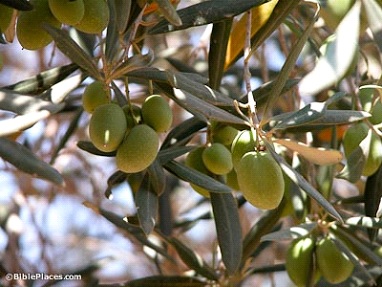
Olives come in two main colors: green and black.
The color of an olive is actually determined by its degree of ripeness.
Green olives are unripe and black olives are fully ripe.
There are also colors in between, including red and purple, which are color changes the olives go through on their trip from unripe to ripe.
The notable exception to this is that some canned “black” olives processed in this country are picked green and then soaked in an alkaline solution and oxidized via exposure to air to turn them black.
An olive is also categorized according to its processing method. Because all fresh olives are very sharp and bitter in flavor, they need to be processed to make them edible.
The processing removes an acrid, bitter-tasting compound called oleuropin, present in olive skin.
Types of Olive oil
Pressed from green or ripe olives, olive oil can vary widely in flavor and color depending on the variety of olives used and the region they come from.
There are hundreds of different varieties of olive trees, and some olive oils are blends of several varieties.
In addition to the varietal differences, the style of an olive oil also depends greatly on the ripeness of the fruit.
- When olives ripen—in the fall and winter—the olives change from green to dark purple.
-Olives harvested early will produce a more robust, peppery oil with lots of green, vegetal notes such as artichoke and grass. These peppery and bitter flavors in an olive oil are attributed to polyphenols.
- Olives that are picked later on in the season tend to produce a milder oil with a less-robust character and more ripe fruit flavors.
The price of olive oil is determined by numerous factors including production cost and any given year’s crop and weather conditions.
Genuine extra virgin olive oil is more expensive because of the higher costs at each stage of production, from grove to bottle.
In addition, olives for the best olive oils are often harvested by hand, a cost that is passed on to the consumer.
⦁ Virgin olive oils: Virgin olive oils are extracted from olives solely by mechanical means, without chemicals.
⦁ Extra-virgin olive oil: This is the highest grade of virgin olive oil. Industry standards stipulate that extra-virgin olive oil must meet numerous chemical parameters including a free fatty acid content ≤ 0.08%. To earn the extra-virgin grade, the oil must also meet a sensory (organoleptic) standard. In a test by a trained taste panel using official protocols, an extra-virgin olive oil will have no defects of aroma or flavor, and some positive flavor of green or ripe olives.
⦁ Virgin olive oil: Confusingly designated as “virgin,” this grade of virgin olive oil has slight defects of aroma or flavor and meets a lower chemical standard including higher free fatty acid levels. Virgin olive oil is starting to appear in the American market as a healthy but less expensive cooking oil.
Reference Link
Olive mentioned in Hadith:
Abu Asid said: “The Prophet (peace and blessings be upon him) said: “Eat the oil and use it on your hair and skin, for it comes from a blessed tree.” (Reported by al‐Tirmidhi, hadith 1775)
Nutrition Related:
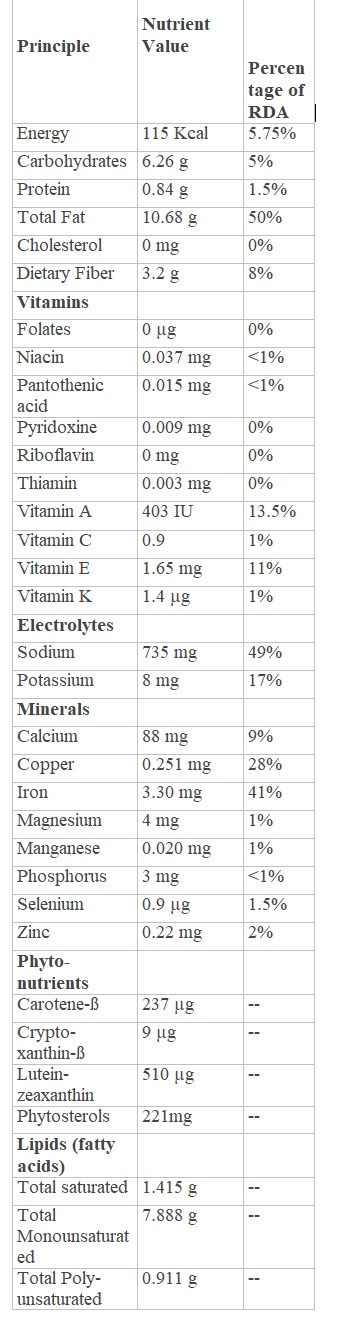
See the table below for in depth analysis of nutrients: Banana fruit (Olea europeae), Nutritive Value per 100 g, (Source: USDA National Nutrient data base) [3] [https://ndb.nal.usda.gov/ndb/foods/show/2281]
See the table below for in depth analysis of nutrients:
Olives (Olea europaea), ripe, canned, (small to extra large)
Nutritional value per 100 g. (Source: USDA National Nutrient data base)
Health benefits of Olive:
⦁ Traditionally, olives have been viewed as a very healthy food. Besides providing energy, they compose of significant amounts of plant-derived antioxidants, minerals, phytosterols, and vitamins.
⦁ Olives are a modest source of calories; 100 g of fruits carry just 115 calories. Their calorie content primarily comes from fats. Nonetheless, the fruit composes healthy fat in the form of monounsaturated fatty acids (MUFA) like oleic acid (18:1) and palmitoleic acid (16:1) that help lower LDL or "bad cholesterol" and increase HDL or "good cholesterol" in the blood. Research studies suggest that the Mediterranean diet which is rich in monounsaturated fatty acids help to prevent coronary artery disease and strokes by favoring healthy blood lipid profile.
⦁ Olive fruit contains tyrosol phenolic compounds such as oleuropein and oleocanthal. These compounds are responsible for its bitter and pungent taste. Oleocanthal, oleuropein, and its derivative hydroxytyrosol are nature’s most powerful antioxidants. Together with vitamin-E and carotenoids, they play a vital role fighting against cancer, inflammation, coronary artery disease, degenerative nerve diseases, and diabetes.
⦁ Studies suggest that oleocanthal has ibuprofen (NSAID) like anti-inflammatory activities. The Mediterranean diet that uses olive and its oil may be responsible in part for the lower incidences of coronary artery disease.
⦁ Olive contains a good amount of vitamin-E. 100 g of cured, and canned fruits provide 1.65 mg (11% of RDA) of α-tocopherol. Vitamin-E is a powerful lipid soluble antioxidant, required for maintaining the integrity of cell membrane of mucosa and skin by protecting it from harmful oxygen-free radicals.
⦁ Also, they contain healthy amounts of minerals like calcium, copper, iron, manganese, and zinc. Further, they are small sources of B-complex vitamins such as niacin, choline, and pantothenic acid.
⦁ Oil expressed from these fruits is recognized as one of the healthiest edible oils since it contains less saturated fat, and composes linoleic (omega-6) and linolenic acid (omega-3) essential fatty acids at the recommended 8:1 ratio. [4]
Other Characteristics:
⦁ 11 Proven Benefits of Olive Oil
Reference link
⦁ Olive Oil
http://www.healthymuslimah.com/food-quran-olive-oil/
⦁ Olive Leaf Extract: Dosage, Benefits, Side Effects,
Reference link
⦁ Olives
⦁ Probing Downstream Olive ⦁ Biophenol ⦁ Secoiridoids
Abstract:
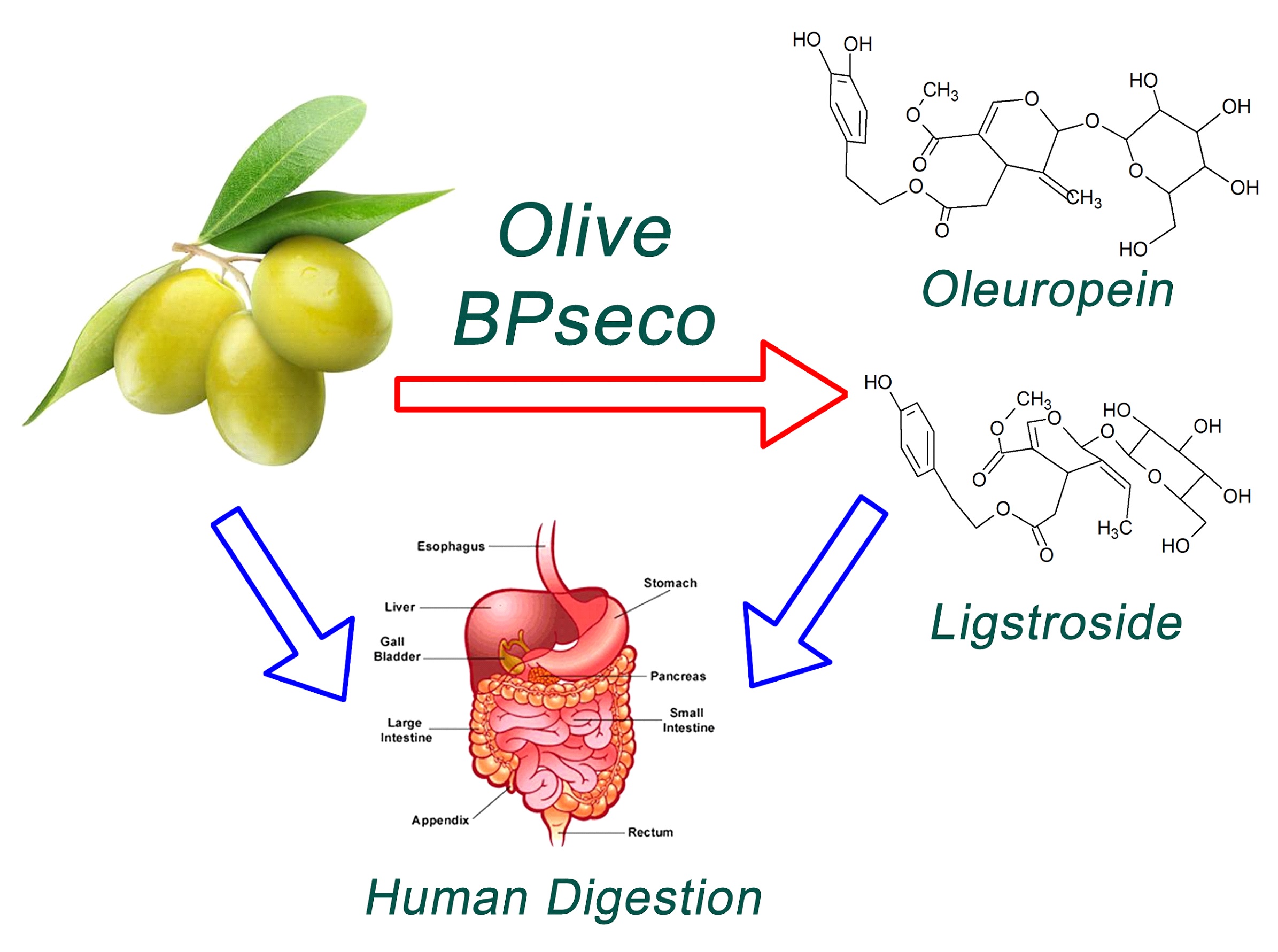
⦁ Numerous bioactive biophenol secoiridoids (BPsecos) are found in the fruit, leaves, and oil of olives. These BPsecos play important roles in both the taste of food and human health.
⦁ The main BPseco bioactive from green olive fruits, leaves, and table olives is ⦁ oleuropein, while olive oil is rich in oleuropein downstream pathway molecules.
⦁ The aim of this study was to probe olive BPseco downstream molecular pathways that are alike in biological and olive processing systems at different pHs and reaction times.
⦁ The downstream molecular pathway were analyzed by high performance liquid chromatography coupled with electrospray ionization mass spectrometry (HPLC-ESI/MS) and typed neglected of different overlap (TNDO) computational methods.
⦁ Our study showed oleuropein highest occupied molecular orbital (HOMO) and HOMO-1 triggered the free radical processes, while HOMO-2 and lowest unoccupied molecular orbital (LUMO) were polar reactions of glucoside and ester groups.
⦁ Olive BPsecos were found to be stable under acid and base catalylic experiments.
⦁ Oleuropein aglycone opened to diales and rearranged to hydroxytyrosil-elenolate under strong reaction conditions. The results suggest that competition among olive BPseco HOMOs could induce glucoside hydrolysis during olive milling due to native olive β-glucosidases.
⦁ The underlined olive BPsecos downstream molecular mechanism herein could provide new insights into the olive milling process to improve BPseco bioactives in olive oil and table olives, which would enhance both the functional food and the nutraceuticals that are produced from olives.
Olives and Olive Oil in Health and Disease Prevention
What is Olive Leaf Extract?
Olive leaves and olives come from the olive tree (Olea europaea L.), which grows mainly in the Mediterranean area and warm climates.
Olive leaves are silvery green and grow up to 10 cm (3.9 in) in length. Olive leaves are harvested and dried before being crushed into powder or soaked to extract their medicinal compounds.
Olive leaf extract contains many polyphenolic compounds that have an antioxidant effect. The main phenolic antioxidants in olive leaf extract are hydroxytyrosol, oleuropein and luteolin-glucoside. (1)
Researchers have found that using hot water or ethanol brings out a compound called hydroxytyrosol which has antioxidant and anti-inflammatory properties. Oleuropein is the main active component from olive leaf extract. Scientific research has also revealed that oleuropein and hydroxytyrosol are easily absorbed in the body. (2)
Olive leaf extract vs. olive oil
Interestingly, olive leaf extract has more antioxidant potential than olive oil. Studies have shown that the phenolic compounds in olive leaf extract are more potent and in higher concentration than olive oil. (3) In fact, olive leaf extract can be added to virgin olive oil to increase the antioxidant properties in olive oil. (4)
Benefits of Olive Leaf Extract
The benefits of olive leaf extract are mainly due to its antioxidant compounds like oleuropein, apigenin-7-glucoside, luteolin-7-glucoside, and hydroxytyrosol. Let’s look in more detail how these chemicals make olive leaf good for lowering risk of cardiovascular disease and many more ailments.
Olive leaves have traditionally been used to enhance the functioning of the immune system and enhance the body’s efforts to fight invading organisms.
Olive Leaf Extract is Anti-Fungal and Anti-Bacterial
One of the main benefits of regularly using olive leaf extract is that it has a wide range of antimicrobial properties.
Reference Link
Scientifically Proven Health Benefits of Figs (Fruit, Leaves, Dried or Fresh)
Figs are a rich source of vitamins, minerals, and fiber with many health benefits. Fresh and dried figs have been traditionally used as a natural medicine to treat many ailments, and scientific research backs up many of the health benefits of figs. You can also make a healthy fig tea from infusing fig leaves in hot water. You can use figs to help relieve constipation, improve digestive health, lower blood pressure, and even manage the symptoms of diabetes.
Fresh figs are a delicious snack that is low in calories and high in nutritional value. The fig skin is also edible but make sure to wash it well if your fig is not organic.
Dried figs are also very healthy and may even have more nutrients than the fresh varieties. It’s not just figs that are very good for men and women. Fig leaves have anti-diabetic properties and fig milk (the sap from the fig plant) has antiviral properties that can help remove warts.
In this article, you will learn about scientific research that proves the many health benefits of eating figs. You will also find out how to use figs to treat and prevent many health conditions.
What are Figs?
The botanical name for figs is Ficus carica L. and they are also called Anjeer. Figs traditionally grow in the Mediterranean and southwest Asia and have been cultivated for thousands of years. (1)
Figs are sold dried and fresh and both have great nutritional value. People describe the taste of fresh figs as fruity with a melon or honey-like taste. Mature fresh figs are very juicy and may become very sticky. (2)
The benefits of figs are due to their high content of polyphenols – plant-based, naturally occurring antioxidants. Fresh and dried figs are also an important source of phenolic compounds which can help to prevent many chronic diseases. (1)
You just need to be aware, that figs (especially dried figs) are rich in sugar and have a high glycemic index. Therefore, to enjoy the benefits of figs, it is recommended to eat them along with foods that have low glycemic index, such as walnuts, almonds or vegetables. Eating them together allows the fig (and the sugar) to be absorbed more slowly into the bloodstream.
Fresh figs are usually available between July and September and you can buy dried figs all year round. (3)
Figs: Nutritional Value
Figs are an important source of fiber, vitamins, minerals, and antioxidants.
According to nutritionist and dietician Kathleen M. Zelman, figs contain more dietary fiber than any other fresh or dried fruit. One serving of figs (about 3 or 4 figs) can provide you with 20% of your recommended daily intake (RDI) of fiber. (3)
Advertisement
The United States Department of Agriculture says that the nutritional benefits of one medium-sized fresh fig (50 g) are as follows: (4)
⦁ 37 calories
⦁ 1.4 g fiber
⦁ 9 g carbohydrate
⦁ 18 mg calcium
⦁ 0.18 mg iron
⦁ 116 mg potassium
⦁ 0.07 mg zinc
⦁ 1 mg vitamin C
⦁ 2.4 mcg vitamin K (phylloquinone)
⦁ 0.05 mg vitamin B6
Dried figs are also a rich source of vitamins and minerals but have a higher sugar content, more carbohydrates and have much more calories. For example, 100g dried figs contain 48 g sugar, 64 g carbohydrates and 249 calories. The same weight of fresh figs (100 g) has 16 g sugar, 19 g carbs and 74 calories. (4, 5)
Gram for gram, dried figs also contain more vitamins and minerals than fresh figs.
The many health benefits of fresh and dried figs are due to their high levels of antioxidants. The Journal of the American College of Nutrition reports that “dried fruits have superior quality antioxidants, with figs and dried plums being the best”. The report adds that figs are a good source of phenol antioxidants and nutrients, most notably fiber. (6)
Research has also shown that fig syrup (fig fruit concentrate) contains phenolic compounds and flavonoids. These antioxidants have scavenging properties against free radicals and can protect cells against DNA damage. (7)
Health Benefits of Figs
Let’s look in more detail at the important ways that consuming fresh figs, dried figs, fig milk, or fig leaf tea can benefit your health.
Figs Can Treat Constipation
One of the most common benefits of consuming figs is to improve your digestion and relieve constipation.
The high fiber content of figs makes them a great remedy for digestive problems such as constipation. One randomized, double-blind trial found that fig paste was effective in treating constipation. Patients using fig paste had less abdominal discomfort when passing stool. (8)
Other trials on using figs to treat constipation have found that figs can help increase water content and bulk up stool. This had the effect of shortening the time that stool takes to pass through the digestive system. (9)
Research into the content of dried figs has shown that they are a great source of dietary fiber and also provide good nutritional value. (10)
One excellent way to improve your digestive health is to soak dried figs overnight in some water. In the morning, eat the fruit and drink the fig water to help get rid of constipation and improve your digestion.
Find out other natural laxatives you can use to help get rid of constipation and hardened stools
Figs Help Regulate Blood Pressure
Regular consumption of fresh or dried figs can help relieve some symptoms of hypertension.
Compounds in figs have an effect on the cardiovascular system that helps to lower blood pressure. One study found that extracts from fig leaves can have an anti-hypertensive effect. Scientists observed that a liquid extract of fig leaves significantly reduces blood pressure in rats. (11) At the end of the article, you will find a recipe for fig leaf tea.
Another reason why figs could help lower blood pressure is that they contain a large amount of potassium. 5 small fresh figs (40 g each) contain about 460 mg potassium. Researchers from Harvard Medical School say that potassium is an essential mineralthat lowers blood pressure. (12)
Learn about other natural remedies that help reduce high blood pressure.
Fig Leaf Tea Can Help Manage Diabetes
Regularly drinking tea made from fig leaves can benefit you if you suffer from diabetes. To make fig leaf tea, simply boil fig leaves in water for at least 15 minutes.
Research into fig leaf extracts has found that they contain compounds that help to regulate blood glucose levels. Scientists found that fig extract exerts a hypoglycemic effect and have a similar effect to insulin. However, the scientists couldn’t identify the reasons why fig leaf extract helps to lower blood glucose levels. (13)
Other studies into the benefit of fig leaf extracts for diabetes have revealed that they can help manage other symptoms of diabetes. For example, fig leaf extracts can help to suppress inflammation and work similar to the drug diclofenac – a popular anti-inflammatory. The study found that fig leaf extracts could prevent vascular complications in diabetes. (14)
The American Diabetes Association recommends eating fresh fruits like figs, blueberries, dates, and apples to lower risks of type 2 diabetes. (15)
You can find out about other foods that help to manage the symptoms of type 2 diabetes
Figs Have Antibacterial and Anti-Fungal Activity
The health benefits of figs also extend to having antibacterial and anti-fungal properties.
For example, one study found that extracts from fig leaves were powerful enough to kill off certain strains of bacteria. Researchers suggested that fig leaf extract could be used as a natural antibacterial remedy against oral bacteria. (1)
Another benefit of figs is found in therapeutic compounds found in fig milk (fig latex) which is the milky sap from the fig tree. Scientific research has revealed that fig milk (fig latex) has antimicrobial activity against fungal strains like Candida albicans. (16)
Learn how to spot the tell-tale signs of a candida infection and how to treat yeast infections naturally.
Figs Can Help Get Rid of Parasites
One of the benefits of fig extracts is to create antiparasitic remedies from fig latex.
Research published into natural ways of treating parasite infections has found that fig latex (fig milk) can help kill off intestinal parasites. Scientists discovered that compounds in fig milk have an anthelmintic (antiparasitic) effect. Fresh latex from fig plants helped to kill off intestinal whipworms (Trichuris), roundworms (nematodes), and cestodes. (17)
There are other natural ways to get rid of worms, and help to treat tapeworms in humans
Fig Extracts Can Help Boost Your Liver Health
Figs contain medicinal compounds that can help keep your liver in good health.
The reason that figs are good for your liver is that they contain antioxidants like phenolic compounds. Research has shown that these chemicals have a protective effect on the liver and can protect against oxidative stress. (19)
Other studies have revealed that preparations containing fig leaf extracts help to reduce inflammation and protect cells in the liver from damage. (20)
Did you know that there are many habits that can damage your liver? Find out how to protect your liver health naturally.
Figs Help Strengthen Bones
Consuming fresh figs regularly is a great way to help promote bone health and help prevent osteoporosis.
Figs of the dried and fresh varieties contain vitamins and minerals that are essential for bone health. Calcium, potassium, phosphorus, copper, iron, and vitamin A are in figs and are all necessary for healthy bones. (21)
Research published in 2014 reported that dried figs contain many of the necessary micronutrients that can help prevent osteoporosis. For example, figs also contain a compound called Strontium which promotes good bone health and increases bone formation. (22)
In fact, Strontium supplements are sometimes used to treat postmenopausal osteoporosis. (22)
Extracts from figs also inhibit certain types of bone cells that can break down bone tissue. Researchers suggest that these types of fig extracts can help prevent conditions affecting bone health like osteoporosis and rheumatoid arthritis. (23)
Why not try some of these non-dairy foods that contain calcium to help strengthen your bones? You can read more about these 4 steps to prevent osteoporosis
Fig Milk Can Help Get Rid of Warts
The milky sap (latex) of figs contain anti-viral properties, so applying it on warts helps to cure them.
People in the Middle East and Asia have traditionally used the sap from fig trees to remove warts. But can fig milk actually get rid of warts? The journal Case Reports in Internal Medicine reports that fig sap (fig milk) can help eradicate flat warts. Fresh fig tree sap was applied to multiple flat warts. After about 6 weeks, the warts were successfully treated. (24)
Other studies into using fig milk for getting rid of warts say that it is an effective cure with no reports of any side effects. One trial involved 25 patients. Fig tree sap helped to resolve warts in 11 of the patients and 14 patients had their warts frozen (cryotherapy). The study concluded that cryotherapy is only slightly better than fig milk to treat warts. (25)
Extracts from fig leaves have also shown to be effective in treating fever blisters (cold sores) caused by the herpes simplex virus (HSV-1). (26)
Some people apply the milky sap of figs directly to the skin to treat cuts and irritated skin.
You can also remove warts using apple cider vinegar (ACV)
Dried Figs Can Help Prevent Anemia
Dried figs can help to increase hemoglobin levels.
A study concluded that dried figs are useful for improving hemoglobin level in blood and thus preventing a person from having anemia. (31)
It is recommended for people who suffer from iron deficiency anemia to add figs to their diet, as figs are good source of iron. Get familiar with these iron deficiency symptoms and how to increase iron levels in your blood
Fig Extracts May Have Anticancer Properties
Research has shown that certain extracts from the fig plant have anticancer properties.
The Journal of Natural Products reports that extracts from fig resin have inhibitory effects on cancer cells to prevent them from spreading. (27)
Other studies have revealed that fig tree latex (fig milk) can help to inhibit the spread of cancer cells in humans without affecting healthy cells. (28)
Of course, more research has to be carried out on using fig extracts on the treatment of cancer. Doctors recommend enjoying a well-balanced, healthy diet to help reduce your risk of cancer. This includes eating whole grains and plenty of “fruit and vegetables that have cancer-fighting potential.” (29)
Figs For Improving Heart Health
In animal studies, fig leaves have been shown to lower levels of triglycerides. (1)
When your triglyceride levels are too high, you have a higher chance of having a heart attack or stroke.
Figs Can Help Relieve Respiratory Infections
Drinking figs brew helps to relieve dry cough, sore throat, and helps to get rid of excess mucus. (1)
Cook two figs (preferably organic) with half a cup of water for a few minutes, and drink the liquid several times a day.
Side Effets Of Figs
Figs are a delicious juicy fruit that can be part of a healthy diet. There are generally no side effects when eating figs in normal food amounts. Doctors say that some people may have a skin allergy to latex from the fig tree sap. (30)
Reference Link