Surah 084 of 114

سورة الإنشقاق

Al-Inshiqaaq

25 verses · tap any ayah to deep-dive

Ayat 1

إِذَا ٱلسَّمَآءُ ٱنشَقَّتْ.(1)

When the sky has split [open](1) [Al-Inshiqaaq: 1]

Back to surah / Surah 084 · Al-Inshiqaaq / Ayah 1

Section 01

Traditional understanding

Translation, tafseer from classical and modern scholars, transliteration, word-by-word grammar.

Translation Sahih International

When the sky has split [open](1)

Tafseer Abdullah Yusuf

The passing away of this world of sense to make way for a new World of Reality is here indicated by two Facts, which are themselves Symbols for a complete revolution in our whole knowledge and experience. At the beginning of Surah. 82 and Surah. 81, other Symbols were used, to lead up to the arguments there advanced. Here the Symbols are: (1) the Sky being rent asunder and giving up its secrets, and (2) the Earth being flattened out from the globe it is, and giving up its secrets (Cf. 25:25 and 50:44 [Yusuf Ali Notes]). See the following notes.

Tafseer Dr. Farooq Azam

On Doomsday, heaven will split asunder and earth will be spread out.
* The books of deeds will be distributed, the righteous will be happy
while disbelievers will be wishing for death.
* The people are asked to believe, while they have time, during their life
on earth.

The theme of this Sûrah is the Resurrection and Hereafter. In the first five verses the state of resurrection is described and the argument of its being true and certain is also given: that, one Day, the heavens will split asunder, the earth will be spread out plain and smooth, and it will throw out whatever lies inside it. It will be so because it will be the command of Allah, the Rabb of the heavens and the earth.

On that Day, all human beings will be divided into two groups:

1. Those whose records will be given in their right hands, will be forgiven without any severe reckoning.

2. Those whose records will be given to them from behind their back, they will wish for death but they will not die; instead they will be
cast into hell. They will meet with this fate because during their life on earth, they remained heedless about appearing before Allah to render an account of their deeds.
In conclusion, the disbelievers who oppose the teachings of the Qur’an instead of bowing down to Allah when they hear it, are forewarned of a grievous punishment, while the good news of limitless rewards has been given to the believers and the righteous.

Tafseer Ibn Abbas

And from his narration on the authority of Ibn 'Abbas that he said regarding the interpretation of Allah's saying (When the heaven is split asunder): '(When the heaven is split asunder) by the clouds because of the descent of the Lord-a descent without any modality-and the angels and whatever Allah wills of His command.

Tafseer Jalalain

When the heaven is rent asunder,

Tafseer Ma’arif Ul-Quran

The present Surah depicts the conditions that will prevail on the Day of Judgement, such as reckoning and accountability, reward of good and torment of evil. The heedless man is asked to look into himself and his environs, which will lead him to believe in Allah and the Qur'an. [The powerful opening of the Surah sketches some of the scenes of universal upheaval]. First, it speaks about the sky that will split apart.

Tafseer Mufti Taqi Usmani

When the sky will split apart

Tafseer Shaikh Ashiq Ilahi

(Combined Tafsir of verses 1-5) Allah begins the Surah by speaking about the condition of the sky and the earth on the Day of Judgment and then refers to the conditions of the good and the sinful on the Day of Judgment. Allah says, "When the sky will be rent asunder and it will hearken to its Lord as it rightly should (because it is impossible for it to disobey Allah's command). When the earth will be stretched out and, casting out whatever is within it, will become empty." All dead bodies will surface from beneath the earth together with the treasures that the earth hides within her. Just like the sky, the earth "will hearken to its Lord as it rightly should." Both the sky and the earth are obliged to obey Allah's commands and do what He wants them to do. These opening five verses of the Surah are followed by a hidden clause which reads, "On that day, man will see the deeds he committed" . The verses therefore read, "When the sky will be rent asunder and it will hearken to its Lord ... (and) when the earth will be stretched out on that day, man will see the deeds he committed". Allah says in Surah Ibrahim, "The day when the earth will be changed into another earth, and the skies (will also be changed)." This verse denotes that the sky and the earth will be completely changed on the Day of Judgment. At the same time, they will appear as described in the above verses of Surah Inshiqaq. There is therefore no discrepancy between this verse of Surah Ibrahim and the verses of Surah Inshiqaq.

Tafseer Tafheem Ul-Quran

When the sky is rent asunder

Transliteration

Ayah 1

Itha alssamao inshaqqat

Word-by-word

Ayah 1

# Arabic Pronunciation Meaning Root
1 إِذَا Itha When
2 السَّمَآءُ alssamao the sky س م و
3 انشَقَّتْ inshaqqat is split asunder ش ق ق

Section 02

Cross-references

Similar verses elsewhere in the Qur’an and authentic ahadith narrated about this ayah.

Section 03

Articles & resources

Long-form articles, scientific commentary, and historical context linked from the legacy archive.

Section 04

Audio & video lectures

16 videos · 18 audio lectures from contemporary scholars.
TAFSEER OF QUR'AN Ep 29 Surah Inshiqaq 1 5 Sheikh Assim Al Hakeem Sheikh Assim Al Hakeem Video · youtube TAFSEER OF QUR'AN Ep 29 Surah Inshiqaq 1 5 Sheikh Assim Al Hakeem Sheikh Assim Al Hakeem Video · youtube The Events of the Day of Judgement, Muhammad Tim Humble, Muhammed Tim Humble Video · youtube The Events of the Day of Judgement, Muhammad Tim Humble, Muhammed Tim Humble Video · youtube DOOMSDAY 2012 - The Last Day on Earth - Tim Humble Muhammad Tim Humble Video · youtube DOOMSDAY 2012 - The Last Day on Earth - Tim Humble Muhammad Tim Humble Video · youtube Events on the Day of Judgment & Its Signs - Yasir Qadhi Yasir Qadhi Video · youtube Events on the Day of Judgment & Its Signs - Yasir Qadhi Yasir Qadhi Video · youtube Last Day & Resurrection - Mufti Ismail Menk Ismail Ibn Musa Menk Video · youtube Last Day & Resurrection - Mufti Ismail Menk Ismail Ibn Musa Menk Video · youtube #SurahADay 084 al-inshiqaq #5minTafseer with Yahya Ibrahim #DailyTafseer Yahya Ibrahim Video · youtube #SurahADay 084 al-inshiqaq #5minTafseer with Yahya Ibrahim #DailyTafseer Yahya Ibrahim Video · youtube Surah Al-Inshiqaq - Day 7 - Ramadan with the Quran - Nouman Ali Khan Nouman Ali Khan Video · youtube Surah Al-Inshiqaq - Day 7 - Ramadan with the Quran - Nouman Ali Khan Nouman Ali Khan Video · youtube Tafsir Surah Inshiqaq Nouman Ali Khan Video · youtube Tafsir Surah Inshiqaq Nouman Ali Khan Video · youtube fahm-al-quran-30b-takwir-al-inshiqaq taimiyyah-zubair Audio lecture fahm-al-quran-30b-takwir-al-inshiqaq taimiyyah-zubair Audio lecture tafseer-daily-084-al-inshiqaq/ yahya-ibrahim Audio lecture tafseer-daily-084-al-inshiqaq/ yahya-ibrahim Audio lecture tafsir-juz-e-amma-surah-al-inshiqaq navaid-aziz Audio lecture tafsir-juz-e-amma-surah-al-inshiqaq navaid-aziz Audio lecture navaid-aziz-32-tafsir-juz-e-amma-surah-al-inshiqaq navaid-aziz Audio lecture navaid-aziz-32-tafsir-juz-e-amma-surah-al-inshiqaq navaid-aziz Audio lecture Quran_Tadabbur_Wa_Amal_Eng Quran_Tadabbur_Wa_Amal_Eng Audio lecture Quran_Tadabbur_Wa_Amal_Eng Quran_Tadabbur_Wa_Amal_Eng Audio lecture Fahm_al-Quran Fahm_al-Quran Audio lecture Fahm_al-Quran Fahm_al-Quran Audio lecture Talim_al-Quran Talim_al-Quran Audio lecture Talim_al-Quran Talim_al-Quran Audio lecture Resources FTQ FEnglish FHI FTQE-HI-P30-306A Al-Inshiqaq Al-Inshiqaq Audio lecture Resources FTQ FEnglish FHI FTQE-HI-P30-306A Al-Inshiqaq Al-Inshiqaq Audio lecture Talim_al-Quran Talim_al-Quran Audio lecture Talim_al-Quran Talim_al-Quran Audio lecture



References

  1. Tafseer — Abdullah Yusuf
  2. Tafseer — Dr. Farooq Azam
  3. Tafseer — Ibn Abbas
  4. Tafseer — Jalalain
  5. Tafseer — Ma’arif Ul-Quran
  6. Tafseer — Mufti Taqi Usmani
  7. Tafseer — Shaikh Ashiq Ilahi
  8. Tafseer — Tafheem Ul-Quran
  9. Translation — Sahih International
  10. Hadith collections — 8 narrations from Bukhari, Muslim, Tirmidhi, Abu Dawud and others (see Cross-references)
  11. Quranic cross-references — 10 parallel verses
  12. Linked articles — 6 long-form pieces

Ayat 2

وَأَذِنَتْ لِرَبِّهَا وَحُقَّتْ.(2)

And has responded to its Lord and was obligated [to do so](2) [Al-Inshiqaaq: 2]

Back to surah / Surah 084 · Al-Inshiqaaq / Ayah 2

Section 01

Traditional understanding

Translation, tafseer from classical and modern scholars, transliteration, word-by-word grammar.

Translation Sahih International

And has responded to its Lord and was obligated [to do so](2)

Tafseer Abdullah Yusuf

We may think that the heavens we see above us—high and sacred, seemingly vast and limitless, eternal and timeless—are not created matter. But they are. And they remain just so long as Allah wills it so, and not a moment longer. As soon as His Command issues for their dissolution, they will obey and vanish, and all their mystery will be emptied out. And it must necessarily be so; their very nature as created beings requires that they must hearken to the voice of their Creator, even to the extent of their own extinction.

Tafseer Dr. Farooq Azam

On Doomsday, heaven will split asunder and earth will be spread out.
* The books of deeds will be distributed, the righteous will be happy
while disbelievers will be wishing for death.
* The people are asked to believe, while they have time, during their life
on earth.

The theme of this Sûrah is the Resurrection and Hereafter. In the first five verses the state of resurrection is described and the argument of its being true and certain is also given: that, one Day, the heavens will split asunder, the earth will be spread out plain and smooth, and it will throw out whatever lies inside it. It will be so because it will be the command of Allah, the Rabb of the heavens and the earth.

On that Day, all human beings will be divided into two groups:

1. Those whose records will be given in their right hands, will be forgiven without any severe reckoning.

2. Those whose records will be given to them from behind their back, they will wish for death but they will not die; instead they will be
cast into hell. They will meet with this fate because during their
life on earth, they remained heedless about appearing before
Allah to render an account of their deeds.

In conclusion, the disbelievers who oppose the teachings of the Qur’an instead of bowing down to Allah when they hear it, are forewarned of a grievous punishment, while the good news of limitless rewards has been given to the believers and the righteous.

Note: Dr. Farooq Azam has given a summarised tafsir of the Surah and not a translation for each ayah thus this has been posted here. (Note by me)

Tafseer Ibn Abbas

(And attentive) and it obeys and listens (to her Lord in fear) and it befits her to do so,

Tafseer Jalalain

and heeds, gives ear to and, in rending itself asunder, obeys, its Lord as it should, that is, as its duty is to heed and obey,

Tafseer Ma’arif Ul-Quran

(and will listen to (the command of) its Lord, and it ought to,. . .84:5) The verb adhinat means 'it will listen'. Here listening includes obedience. The verb huqqat may be interpreted as 'It had an obligation to listen and obey Allah's command'.

Tafseer Mufti Taqi Usmani

(and will listen to (the command of) its Lord, and it ought to

Tafseer Shaikh Ashiq Ilahi

(Combined Tafsir of verses 1-5). Allah begins the Surah by speaking about the condition of the sky and the earth on the Day of Judgment and then refers to the conditions of the good and the sinful on the Day of Judgment. Allah says, "When the sky will be rent asunder and it will hearken to its Lord as it rightly should (because it is impossible for it to disobey Allah's command). When the earth will be stretched out and, casting out whatever is within it, will become empty." All dead bodies will surface from beneath the earth together with the treasures that the earth hides within her. Just like the sky, the earth "will hearken to its Lord as it rightly should." Both the sky and the earth are obliged to obey Allah's commands and do what He wants them to do. These opening five verses of the Surah are followed by a hidden clause which reads, "On that day, man will see the deeds he committed" . The verses therefore read, "When the sky will be rent asunder and it will hearken to its Lord ... (and) when the earth will be stretched out on that day, man will see the deeds he committed".
Allah says in Surah Ibrahim, "The day when the earth will be changed into
another earth, and the skies (will also be changed)." This verse denotes that the sky and the earth will be completely changed on the Day of Judgment. At the same time, they will appear as described in the above verses of Surah Inshiqaq. There is therefore no discrepancy between this verse of Surah Ibrahim and the verses of Surah Inshiqaq.

Tafseer Tafheem Ul-Quran

and obeys its Lord's Command, as in truth it must (obey its Lord's Command). Literally: "... and hears its Lord's Command." However, according to Arabic usage adhina lahu does not only mean: "He heard the Command but it means: "Hearing the Command he carried it out promptly like an obedient servant. "

Transliteration

Ayah 2

Waathinat lirabbiha wahuqqat

Word-by-word

Ayah 2

# Arabic Pronunciation Meaning Root
1 وَأَذِنَتْ Waathinat And has listened أ ذ ن
2 لِرَبِّهَا lirabbiha to its Lord ر ب ب
3 وَحُقَّتْ wahuqqat and was obligated ح ق ق

Section 02

Cross-references

Similar verses elsewhere in the Qur’an and authentic ahadith narrated about this ayah.

Section 03

Articles & resources

Long-form articles, scientific commentary, and historical context linked from the legacy archive.

Section 04

Audio & video lectures

10 videos · 0 audio lectures from contemporary scholars.

References

  1. Tafseer — Abdullah Yusuf
  2. Tafseer — Dr. Farooq Azam
  3. Tafseer — Ibn Abbas
  4. Tafseer — Jalalain
  5. Tafseer — Ma’arif Ul-Quran
  6. Tafseer — Mufti Taqi Usmani
  7. Tafseer — Shaikh Ashiq Ilahi
  8. Tafseer — Tafheem Ul-Quran
  9. Translation — Sahih International
  10. Quranic cross-references — 2 parallel verses
  11. Linked articles — 4 long-form pieces

Ayat 3

وَإِذَا ٱلْأَرْضُ مُدَّتْ.(3)

And when the earth has been extended(3) [Al-Inshiqaaq: 3]

Back to surah / Surah 084 · Al-Inshiqaaq / Ayah 3

Section 01

Traditional understanding

Translation, tafseer from classical and modern scholars, transliteration, word-by-word grammar.

Translation Sahih International

And when the earth has been extended(3)

Tafseer Abdullah Yusuf

The Earth is a globe, enclosing within it many secrets and mysteries gold and diamonds in its mines, heat and magnetic forces in its entrails, and the bodies of countless generations of men buried within its soil. At its dissolution all these contents will be disgorged: it will lose its shape as a globe, and cease to exist. A more mystic meaning lies behind the ordinary meaning of the vanishing of the heavens and the earth as we see them. Our ideas of them their subjective contents with reference to ourselves will also lose all shape and form and vanish
before the eternal verities.

Tafseer Dr. Farooq Azam

when the earth spreads out

Tafseer Ibn Abbas

(And when the earth is spread out) like the spreading out of a flat plain; and it is also said this means: when the earth is removed from its place and then flattened.

Tafseer Jalalain

and when the earth is stretched out, [when] its width is increased, just as a piece of leather is stretched, so that no edifice or mountain remains upon it,

Tafseer Ma’arif Ul-Quran

(and when the earth will be stretched [to give room to more people] ... 84:3) The word madda means 'to stretch, spread, expand out'. Sayyidna Jabir ibn 'Abdullah narrates that the Holy Prophet said that on the Day of Judgement the earth will be stretched out like leather (or rubber) and expanded into a smooth plain, and there will be just enough space on it for all individuals of human race to keep their feet. To understand this tradition, it is necessary to keep in mind that on the Day of Resurrection all individuals who will have been born from the inception of creation till resurrection will be brought back to life simultaneously. Thus each individual will have just enough space on the earth where he could place his feet. [Transmitted by Hakim with a good chain of authorities - Mazhari].

Tafseer Mufti Taqi Usmani

It is mentioned in a prophetic hadith, that on the Day of Resurrection, the earth will be stretched like a rubber or leather to accommodate all people that were created there right from the first man up to the last man. (Hakim with a good chain of narrators according to Mazhari)

Tafseer Shaikh Ashiq Ilahi

(Combined Tafsir of verses 1-5). Allah begins the Surah by speaking about the condition of the sky and the earth on the Day of Judgment and then refers to the conditions of the good and the sinful on the Day of Judgment. Allah says, "When the sky will be rent asunder and it will hearken to its Lord as it rightly should (because it is impossible for it to disobey Allah's command). When the earth will be stretched out and, casting out whatever is within it, will become empty." All dead bodies will surface from beneath the earth together with the treasures that the earth hides within her. Just like the sky, the earth "will hearken to its Lord as it rightly should." Both the sky and the earth are obliged to obey Allah's commands and do what He wants them to do. These opening five verses of the Surah are followed by a hidden clause which reads, "On that day, man will see the deeds he committed" . The verses therefore read, "When the sky will be rent asunder and it will hearken to its Lord ... (and) when the earth will be stretched out on that day, man will see the deeds he committed".
Allah says in Surah Ibrahim, "The day when the earth will be changed into
another earth, and the skies (will also be changed)." This verse denotes that the sky and the earth will be completely changed on the Day of Judgment. At the same time, they will appear as described in the above verses of Surah Inshiqaq. There is therefore no discrepancy between this verse of Surah Ibrahim and the verses of Surah Inshiqaq.

Tafseer Tafheem Ul-Quran

"When the earth is spread out": when the oceans and rivers are filled up, the mountains are crushed to pieces and scattered away, and the earth is leveled and turned into a smooth plain. In Surah Ta Ha, the same thing has been expressed, thus: "He will turn the earth into an empty level plain, wherein you will neither see any curve nor crease." (vv 106-107) Hakim in Mustadrak has related through authentic channels on the authority of Hadrat Jabir bin 'Abdullah a saying of the Holy Prophet (upon whom be peace) to the effect: "On the Resurrection Day the earth will be flattened out and spread out like the tablecloth; then there will hardly be room on it for men to place their feet." To understand this saying one should keep in mind the fact that out that Day all men who will have been born from the first day of creation till Resurrection, will be resurrected simultaneously and produced in the Divine Court. For gathering together such a great multitude of the people it is inevitable that the oceans, rivers, mountains, jungles, ravines and all high and low areas be leveled and the entire globe of the earth be turned into a vast plain so that all individuals of human race may have room on it to stand on their feet.

Transliteration

Ayah 3

Waitha alardu muddat

Word-by-word

Ayah 3

# Arabic Pronunciation Meaning Root
1 وَإِذَا Waitha And when
2 الْأَرْضُ alardu the earth أ ر ض
3 مُدَّتْ muddat is spread م د د

Section 02

Cross-references

Similar verses elsewhere in the Qur’an and authentic ahadith narrated about this ayah.

Section 03

Articles & resources

Long-form articles, scientific commentary, and historical context linked from the legacy archive.

Section 04

Audio & video lectures

6 videos · 0 audio lectures from contemporary scholars.

References

  1. Tafseer — Abdullah Yusuf
  2. Tafseer — Dr. Farooq Azam
  3. Tafseer — Ibn Abbas
  4. Tafseer — Jalalain
  5. Tafseer — Ma’arif Ul-Quran
  6. Tafseer — Mufti Taqi Usmani
  7. Tafseer — Shaikh Ashiq Ilahi
  8. Tafseer — Tafheem Ul-Quran
  9. Translation — Sahih International
  10. Quranic cross-references — 4 parallel verses
  11. Linked articles — 4 long-form pieces

Ayat 4

وَأَلْقَتْ مَا فِيهَا وَتَخَلَّتْ.(4)

And has cast out that within it and relinquished [it](4) [Al-Inshiqaaq: 4]

Back to surah / Surah 084 · Al-Inshiqaaq / Ayah 4

Section 01

Traditional understanding

Translation, tafseer from classical and modern scholars, transliteration, word-by-word grammar.

Translation Sahih International

And has cast out that within it and relinquished [it](4)

Tafseer Abdullah Yusuf

And casts forth what is within it and becomes (clean) empty,

Tafseer Dr. Farooq Azam

and casts out all that is within it and becomes empty,

Tafseer Ibn Abbas

(And hath cast out all that was in her) of corpses and treasures, (and is empty) from all of that

Tafseer Jalalain

and casts out all that is in it, of the dead, onto its surface, and empties itself, thereof,

Tafseer Ma’arif Ul-Quran

; (and it will throw up whatever it contains, and will become empty ... 84:4) The earth will, with one convulsion, throw up whatever it contains in its belly, whether natural treasures or buried treasures, or mines, or dead human bodies and their remains and
particles.

Tafseer Mufti Taqi Usmani

It includes all men and women buried in graves, and the minerals found in earth.

Tafseer Shaikh Ashiq Ilahi

(Combined Tafsir of verses 1-5). Allah begins the Surah by speaking about the condition of the sky and the earth on the Day of Judgment and then refers to the conditions of the good and the sinful on the Day of Judgment. Allah says, "When the sky will be rent asunder and it will hearken to its Lord as it rightly should (because it is impossible for it to disobey Allah's command). When the earth will be stretched out and, casting out whatever is within it, will become empty." All dead bodies will surface from beneath the earth together with the treasures that the earth hides within her. Just like the sky, the earth "will hearken to its Lord as it rightly should." Both the sky and the earth are obliged to obey Allah's commands and do what He wants them to do. These opening five verses of the Surah are followed by a hidden clause which reads, "On that day, man will see the deeds he committed" . The verses therefore read, "When the sky will be rent asunder and it will hearken to its Lord ... (and) when the earth will be stretched out on that day, man will see the deeds he committed".
Allah says in Surah Ibrahim, "The day when the earth will be changed into another earth, and the skies (will also be changed)." This verse denotes that the sky and the earth will be completely changed on the Day of Judgment. At the same time, they will appear as described in the above verses of Surah Inshiqaq. There is therefore no discrepancy between this verse of Surah Ibrahim and the verses of Surah Inshiqaq.

Tafseer Tafheem Ul-Quran

That is, it will throw out all dead bodies of men and also the traces and evidences of their deeds lying within it. so that nothing remains hidden and buried in it.

Transliteration

Ayah 4

Waalqat ma feeha watakhallat

Word-by-word

Ayah 4

# Arabic Pronunciation Meaning Root
1 وَأَلْقَتْ Waalqat And has cast out ل ق ي
2 مَا ma what
3 فِيهَا feeha (is) in it
4 وَتَخَلَّتْ watakhallat and becomes empty خ ل و

Section 02

Cross-references

Similar verses elsewhere in the Qur’an and authentic ahadith narrated about this ayah.

Section 03

Articles & resources

Long-form articles, scientific commentary, and historical context linked from the legacy archive.

Section 04

Audio & video lectures

2 videos · 0 audio lectures from contemporary scholars.

References

  1. Tafseer — Abdullah Yusuf
  2. Tafseer — Dr. Farooq Azam
  3. Tafseer — Ibn Abbas
  4. Tafseer — Jalalain
  5. Tafseer — Ma’arif Ul-Quran
  6. Tafseer — Mufti Taqi Usmani
  7. Tafseer — Shaikh Ashiq Ilahi
  8. Tafseer — Tafheem Ul-Quran
  9. Translation — Sahih International
  10. Hadith collections — 6 narrations from Bukhari, Muslim, Tirmidhi, Abu Dawud and others (see Cross-references)
  11. Quranic cross-references — 20 parallel verses
  12. Linked articles — 4 long-form pieces

Ayat 5

وَأَذِنَتْ لِرَبِّهَا وَحُقَّتْ.(5)

And has responded to its Lord and was obligated [to do so] -(5) [Al-Inshiqaaq: 5]

Back to surah / Surah 084 · Al-Inshiqaaq / Ayah 5

Section 01

Traditional understanding

Translation, tafseer from classical and modern scholars, transliteration, word-by-word grammar.

Translation Sahih International

And has responded to its Lord and was obligated [to do so] -(5)

Tafseer Abdullah Yusuf

See n. 6032(Tafsir of ayah 2). We think the earth so solid and real. All our perishable things dissolve into the earth. But the earth itself will dissolve into a truer Reality. The substantive clause, to follow the two conditional clauses preceding, may be filled up from the suggestion contained in 82:5.

Tafseer Dr. Farooq Azam

obeying its Rabb’s command as it ought to,

Tafseer Ibn Abbas

: (And attentive) and obeys and listens (to her Lord in fear!) and it behoves her do so.

Tafseer Jalalain

and heeds, [and] in this respect, gives ear to and obeys, its Lord, as it should: all of this will be on the Day of Resurrection (the response to idhā, ‘when’, and [to] all that is supplemented thereto, has been omitted; but it is indicated by what follows it, and is implied to be [something like] laqiya’l-insānu ‘amalahu, ‘man will encounter his deeds’).

Tafseer Ma’arif Ul-Quran

(and will listen to (the command of) its Lord, and it ought to,. . .84:5) The verb adhinat means 'it will listen'. Here listening includes obedience. The verb huqqat may be interpreted as 'It had an obligation to listen and obey Allah's command'.

Tafseer Mufti Taqi Usmani

and will listen to (the command of) its Lord,- and it ought to,- (then man will see the consequences of his deeds.)

Tafseer Shaikh Ashiq Ilahi

(Combined Tafsir of verses 1-5) Allah begins the Surah by speaking about the condition of the sky and the earth on the Day of Judgment and then refers to the conditions of the good and the sinful on the Day of Judgment. Allah says, "When the sky will be rent asunder and it will hearken to its Lord as it rightly should (because it is impossible for it to disobey Allah's command). When the earth will be stretched out and, casting out whatever is within it, will become empty." All dead bodies will surface from beneath the earth together with the treasures that the earth hides within her. Just like the sky, the earth "will hearken to its Lord as it rightly should." Both the sky and the earth are obliged to obey Allah's commands and do what He wants them to do. These opening five verses of the Surah are followed by a hidden clause which reads, "On that day, man will see the deeds he committed" . The verses therefore read, "When the sky will be rent asunder and it will hearken to its Lord ... (and) when the earth will be stretched out on that day, man will see the deeds he committed".
Allah says in Surah Ibrahim, "The day when the earth will be changed into another earth, and the skies (will also be changed)." This verse denotes that the sky and the earth will be completely changed on the Day of Judgment. At the same time, they will appear as described in the above verses of Surah Inshiqaq. There is therefore no discrepancy between this verse of Surah Ibrahim and the verses of Surah Inshiqaq.

Tafseer Tafheem Ul-Quran

and obeys its Lord's Command, as in truth it must (obey its Lord's Command). Literally: "... and hears its Lord's Command." However, according to Arabic usage adhina lahu does not only mean: "He heard the Command but it means: "Hearing the Command he carried it out promptly like an obedient servant. "

Transliteration

Ayah 5

Waathinat lirabbiha wahuqqat

Word-by-word

Ayah 5

# Arabic Pronunciation Meaning Root
1 وَأَذِنَتْ Waathinat And has listened أ ذ ن
2 لِرَبِّهَا lirabbiha to its Lord ر ب ب
3 وَحُقَّتْ wahuqqat and was obligated ح ق ق

Section 02

Cross-references

Similar verses elsewhere in the Qur’an and authentic ahadith narrated about this ayah.

Section 03

Articles & resources

Long-form articles, scientific commentary, and historical context linked from the legacy archive.

Section 04

Audio & video lectures

6 videos · 0 audio lectures from contemporary scholars.

References

  1. Tafseer — Abdullah Yusuf
  2. Tafseer — Dr. Farooq Azam
  3. Tafseer — Ibn Abbas
  4. Tafseer — Jalalain
  5. Tafseer — Ma’arif Ul-Quran
  6. Tafseer — Mufti Taqi Usmani
  7. Tafseer — Shaikh Ashiq Ilahi
  8. Tafseer — Tafheem Ul-Quran
  9. Translation — Sahih International
  10. Quranic cross-references — 8 parallel verses
  11. Linked articles — 4 long-form pieces

Ayat 6

يَٰٓأَيُّهَا ٱلْإِنسَٰنُ إِنَّكَ كَادِحٌ إِلَىٰ رَبِّكَ كَدْحًۭا فَمُلَٰقِيهِ.(6)

O mankind, indeed you are laboring toward your Lord with [great] exertion and will meet it.(6) [Al-Inshiqaaq: 6]

Back to surah / Surah 084 · Al-Inshiqaaq / Ayah 6

Section 01

Traditional understanding

Translation, tafseer from classical and modern scholars, transliteration, word-by-word grammar.

Translation Sahih International

O mankind, indeed you are laboring toward your Lord with [great] exertion and will meet it.(6)

Tafseer Abdullah Yusuf

This life is ever full of toil and misery, if looked at as empty of the Eternal Hope which Revelation gives us. Hence the literature of pessimism in poetry and philosophy, which thinking minds have poured forth in all ages, when that Hope was obscured to them. "Our sweetest songs are those that tell of saddest thought." "To each his suffering; all are men condemned alike to groan!" It is the noblest men that have to "scorn delights and live laborious days" in this life. The good suffer on account of their very goodness: the evil on account of their Evil. But the balance will be set right in the end. Those that wept shall be made to rejoice, and those that went about thoughtlessly rejoicing, shall be made to weep for their folly. They will all go to their account with Allah and meet Him before His Throne of Judgement.

Tafseer Dr. Farooq Azam

then O mankind! Surely, you are returning towards your Rabb with your good or bad deeds, a sure returning, and you are about to meet Him

Tafseer Ibn Abbas

(Thou, verily, O man) O disbelieving man, in reference to Abu'l-Aswad Ibn Kildah Ibn Usayd Ibn Khalaf, (art working) He says: you are working something in your state of disbelief and shall return with it (towards thy Lord) in the Hereafter (a work which you will meet (in His presence)) whether your work is righteous or evil.

Tafseer Jalalain

O man! Verily you are labouring, exerting your efforts, toward, the encounter with, your Lord, that is, death, laboriously, and you will encounter it, that is, you will encounter your mentioned good or evil deeds on the Day of Resurrection.

Tafseer Ma’arif Ul-Quran

The word kadh means to 'exert one's efforts fully', and 'to your Lord' means 'to meet your Lord'. In other words, every effort of man would end at his Lord. Mankind is addressed in this verse and shown a road that if he were to think about it carefully, and use his sense and intelligence, he could exert his efforts in the right direction that will ensure for him welfare, well-being and safety in this world, as well as in the Hereafter. First, it has been pointed out that man, whether he is good or bad, believer or
non-believer, has the natural tendency to exert himself in order to achieve his goal. A good-natured person will work hard and adopt lawful means to acquire his livelihood and necessities of life. A bad person cannot obtain his needs and objective without working hard. Thieves, robbers,
rouges, cheats and looters apply their minds and exert their physical strength in order to achieve their objective. Secondly, it has been pointed out that if the intelligent man were to think carefully, all his movements and pauses are stations of a long journey he is going through, though
unconsciously. This journey will end at his presence before Allah, that is, at death. This is stated in the phrase il?i rabbika 'to your Lord'. This is a statement of reality which none can deny. All efforts, [good or bad], must end with death. The third point is that after death, in the presence of his Lord, he will have to give an account of his movements and deeds, and of his efforts. This is rationally necessary and justified, so that the consequences of good and bad may be separately known, because such distinction is not known in this life. A good person may work hard for a month or so in order to obtain his livelihood and necessities of life, but thieves and looters may obtain them overnight. If there is no time of reckoning or punishment, both of them [the good and the bad] will be equal, which is contrary to reason and justice. At the end, the verse says:
& (then you have to meet Him.) The translation given above is based on the assumption that the attached pronoun (hi) refers to Allah. The sense is that every person has to meet his Lord and to present himself before him to give the account of his deeds. Another possible interpretation is that the attached pronoun (hi) refers to 'kadh' (working hard). Given this interpretation, the translation of the verse would be: "0 man, you have to work hard constantly to reach your Lord, then you have to meet it." And the sense would be: 'you have to meet the good or bad consequences of your working hard.' The verses that follow depict separately the consequences of the good and the bad people, of the believers and the non-believers. First, the ledger of deeds must be received in the right or the left hand. Those who receive the ledgers in their right hands will be the inmates of Paradise with its eternal blessings. Those who receive the ledgers in their left hands will be the inmates of Hell. The point for careful consideration is that necessities of life, as well as unnecessary desires are fulfilled by both
righteous and wicked people in this world, and thus both spend their lives in some way or the other, but the consequences of the two [for the Hereafter] are diametrically opposite to each other. One results in eternal
and unending comfort, and the other results in eternal perdition, torture and torment. Man still has the chance [while he is living] to redirect his attention to working hard towards switching the situation in a direction that not only fulfils his legitimate needs and desires in this world, but also attains the eternal pleasures of the Hereafter.

Tafseer Mufti Taqi Usmani

O man, you have to work hard constantly to reach your Lord, and then you have to meet Him.

Tafseer Shaikh Ashiq Ilahi

Allah continues, "O man, indeed you make great efforts in your journey towards your Lord and will soon meet with (the fruit of) your efforts." This verse summarises man's life in this world. Everything that a person needs in this world requires some effort from him and everything that man says or does in this effort are recorded. The world is fast passing by in this manner and Judgment Day is fast approaching. In fact, every person's individual reckoning starts when he passes away. Eventually, the trumpet will be sounded and everything will cease to exist

Tafseer Tafheem Ul-Quran

Here, it has not been expressly told what will happen when such and such an event takes place, for the subsequent theme by itself explains this, as if to say: "O man, you are moving towards your Lord and are about to meet Him; you will be given your conduct book; and rewarded or punished according to your deeds." That is, "You may if you so like think that all your efforts and endeavors in the world are confined to worldly life and motivated by worldly desires, yet the truth is that you are moving, consciously or unconsciously, towards your Lord and you have ultimately to appear before Him in any case.."

Transliteration

Ayah 6

Ya ayyuha alinsanu innaka kadihun ila rabbika kadhan famulaqeehi

Word-by-word

Ayah 6

# Arabic Pronunciation Meaning Root
1 يَاأَيُّهَا Yaayyuha O
2 الْإِنسَانُ alinsanu mankind! أ ن س
3 إِنَّكَ innaka Indeed you
4 كَادِحٌ kadihun (are) laboring ك د ح
5 إِلَىٰ ila to
6 رَبِّكَ rabbika your Lord ر ب ب
7 كَدْحًا kadhan (with) exertion ك د ح
8 فَمُلَاقِيهِ famulaqeehi and you (will) meet Him ل ق ي

Section 02

Cross-references

Similar verses elsewhere in the Qur’an and authentic ahadith narrated about this ayah.

Section 03

Articles & resources

Long-form articles, scientific commentary, and historical context linked from the legacy archive.

Section 04

Audio & video lectures

6 videos · 2 audio lectures from contemporary scholars.

References

  1. Tafseer — Abdullah Yusuf
  2. Tafseer — Dr. Farooq Azam
  3. Tafseer — Ibn Abbas
  4. Tafseer — Jalalain
  5. Tafseer — Ma’arif Ul-Quran
  6. Tafseer — Mufti Taqi Usmani
  7. Tafseer — Shaikh Ashiq Ilahi
  8. Tafseer — Tafheem Ul-Quran
  9. Translation — Sahih International
  10. Hadith collections — 24 narrations from Bukhari, Muslim, Tirmidhi, Abu Dawud and others (see Cross-references)
  11. Linked articles — 2 long-form pieces

Ayat 7

فَأَمَّا مَنْ أُوتِىَ كِتَٰبَهُۥ بِيَمِينِهِۦ.(7)

Then as for he who is given his record in his right hand,(7) [Al-Inshiqaaq: 7]

Back to surah / Surah 084 · Al-Inshiqaaq / Ayah 7

Section 01

Traditional understanding

Translation, tafseer from classical and modern scholars, transliteration, word-by-word grammar.

Translation Sahih International

Then as for he who is given his record in his right hand,(7)

Tafseer Abdullah Yusuf

Right Hand: Cf. 17:71. These will be the fortunate ones, who spent their lives in goodness and truth: for them the account will be made easy; for even after the balancing, they will receive more than their merits deserve, on account of the infinite grace and mercy of Allah.

Tafseer Dr. Farooq Azam

Then he who is given his Book of deeds in his right hand,

Tafseer Ibn Abbas

(Then whoso is given his account) the account of his good works (in his right hand) in reference here to Abu Salamah Ibn 'Abd al-Asad

Tafseer Jalalain

Then as for him who is given his book, the record of his deeds, in his right hand — and this is the believer —

Tafseer Ma’arif Ul-Quran

(So, as for him whose book [of deeds] will be given to him in his right hand, he will be called to account in an easy manner, and he will go back to his people joyfully .... 7-9) This verse describes the condition of the believers. Their books of deeds will be given to them in their right hands. An easy reckoning will be taken from them and the welcome news of Paradise will be gven to them. They will return to their families joyfully. It is reported in the Sahih of Bukhari from Sayyidah 'Aisha that the Holy Prophet has said: "He who is required to account for [or questioned about his deeds will have to be punished." At this Sayyidah ‘Aishah asked, "What is the meaning of the [following] verse ?" (he will be called to account in an easy manner,..84:8). The Holy Prophet explained that the verse signifies 'the deeds will merely be presented before Allah without being questioned. As for the person whose deeds are scrutinised, he will never be able to escape torment'. This explanation of the Holy Prophet clarifies that the deeds of the believers will also be presented before Allah, but by virtue of their faith, not all of their actions will be scrutinised. This is referred to as 'account in an easy manner'. The words 'he will go back to his people joyfully' may be interpreted in one of two ways. This may refer to the Houris who will be his family members in Paradise, or it may refer to his family members in the world who will be present in the Plain of Gathering, and he, after knowing about his success, will impart to them, according to the custom of this life, the welcome news of his achievement. The commentators have mentioned both possibilities in interpreting this sentence. [Qurtubi].

Tafseer Mufti Taqi Usmani

So, as for him whose book (of deeds) will be given to him in his right hand,

Tafseer Shaikh Ashiq Ilahi

(Combined tafsir of verses 7-9) The world is fast passing by in this manner and Judgment Day is fast approaching. In fact, every persons's individual reckoning starts when he passes away. Eventually, the trumpet will be sounded and everything will cease to exist. When the trumpet is blown for the second time, people will emerge from their graves and present themselves before Allah for reckoning. The records of deeds will then be distributed among mankind. Allah says, "As for him who is given his record in his right hand, an easy reckoning will be taken from him and he will return happily to his family." Allah says about such a person in Surah Haqqah, "As for the one who receives his record (of deeds) in his right hand, he will call out, 'Come and read my record! I was always convinced that I shall certainly meet my reckoning. So he will enjoy a pleasing life in lofty gardens. The fruit of these gardens are near at hand (They will be told) 'Eat and drink with all blessings as a reward for the (good) deeds that you sent ahead during the days bygone. "'[Surah 69, verses 19-24],

Tafseer Tafheem Ul-Quran

(Combined tafsir of 7-8) That is, his reckoning will be less severe: he will not be asked why he had done such and such a thing and what excuses he had to offer for it. Though his evil deeds also will be there along with his good deeds in his records, his errors will be overlooked and pardoned in view of his outweighing good deeds. In the Holy Qur'an, for the severe reckoning of the wicked people the words su-al-hisab (heavy reckoning) have been used (Ar-Ra'd: 18), and concerning the righteous it has been said: "From such people We accept the best of their deeds and overlook their evils." (Al-Ahqaf: 16). The explanation of it given by the Holy Prophet (upon whom be peace) has been related in different words by Imam Ahmad Bukhari, Muslim, Tirmidhi, Nasa'i, Abu Da'ud, Hakim, Ibn Jarir, `Abd bin Humaid, and Ibn Marduyah on the authority of Hadrat 'A'ishah. According to one of these traditions the Holy Prophet (upon whom be peace) said: "Doomed will be he who is called to account for his deeds. Hadrat 'A'ishah said: O Messenger of Allah, has not Allah said: 'He whose record is given in his right hand shall have an easy reckoning?' The Holy Prophet replied: That is only about the presentation of the deeds, but the one who is questioned would be doomed." In another tradition Hadrat 'A'ishah has related: "I once heard the Holy Prophet supplicate during the prayer, thus: O God, call me to a light reckoning. When he brought his Prayer to conclusion, I asked what he meant by that supplication. He replied: Light reckoning means that one's conduct book will be seen and one's errors will be overlooked. O 'A'ishah, the one who is called to account for his deeds on that Day, would be doomed.

Transliteration

Ayah 7

Faama man ootiya kitabahu biyameenihi

Word-by-word

Ayah 7

# Arabic Pronunciation Meaning Root
1 فَأَمَّا Faama Then as for
2 مَنْ man (him) who
3 أُوتِىَ ootiya is given أ ت ي
4 كِتَابَهُۥ kitabahu his record ك ت ب
5 بِيَمِينِهِ biyameenihi in his right (hand) ي م ن

Section 02

Cross-references

Similar verses elsewhere in the Qur’an and authentic ahadith narrated about this ayah.

Section 03

Articles & resources

Long-form articles, scientific commentary, and historical context linked from the legacy archive.

Section 04

Audio & video lectures

12 videos · 0 audio lectures from contemporary scholars.

References

  1. Tafseer — Abdullah Yusuf
  2. Tafseer — Dr. Farooq Azam
  3. Tafseer — Ibn Abbas
  4. Tafseer — Jalalain
  5. Tafseer — Ma’arif Ul-Quran
  6. Tafseer — Mufti Taqi Usmani
  7. Tafseer — Shaikh Ashiq Ilahi
  8. Tafseer — Tafheem Ul-Quran
  9. Translation — Sahih International
  10. Hadith collections — 6 narrations from Bukhari, Muslim, Tirmidhi, Abu Dawud and others (see Cross-references)
  11. Linked articles — 6 long-form pieces
Ayat 8

فَسَوْفَ يُحَاسَبُ حِسَابًۭا يَسِيرًۭا.(8)

He will be judged with an easy account(8) [Al-Inshiqaaq: 8]

Back to surah / Surah 084 · Al-Inshiqaaq / Ayah 8

Section 01

Traditional understanding

Translation, tafseer from classical and modern scholars, transliteration, word-by-word grammar.

Translation Sahih International

He will be judged with an easy account(8)

Tafseer Abdullah Yusuf

Soon will his account be taken by an easy reckoning,

Tafseer Dr. Farooq Azam

shall have a quick and easy reckoning

Tafseer Ibn Abbas

: (He truly will receive an easy reckoning) this refers to his parade before Allah.

Tafseer Jalalain

he will receive an easy reckoning, which [simply] entails the presentation of his deeds to him, as in the hadīth of the two Sahīhs [of Bukhārī and Muslim] — in which there is also [a hadīth saying], ‘He who is
reckoned with at length, will be destined for perdition’ — and after this presentation [of his deeds to the believer] he will be excused,

Tafseer Ma’arif Ul-Quran

(Combined tafsir of verses 7-9) (So, as for him whose book [of deeds] will be given to him in his right hand, he will be called to account in an easy manner, and he will go back to his people joyfully .... 7-9) This verse describes the condition of the believers. Their books of deeds will be given to them in their right hands. An easy reckoning will be taken from them and the welcome news of Paradise will be given to them. They will return to their families joyfully. It is reported in the Sahih of Bukhari from Sayyidah 'Aisha that the Holy Prophet has said: "He who is required to account for [or questioned about his deeds will have to be punished." At this Sayyidah ‘Aishah asked, "What is the meaning of the [following] verse ?" (he will be called to account in an easy manner,..84:8). The Holy Prophet explained that the verse signifies 'the deeds will merely be presented before Allah without being questioned. As for the person whose deeds are scrutinised, he will never be able to escape torment'. This explanation of the Holy Prophet clarifies that the deeds of the believers will also be presented before Allah, but by virtue of their faith, not all of their actions will be scrutinised. This is referred to as 'account in an easy manner'. The words 'he will go back to his people joyfully' may be interpreted in one of two ways. This may refer to the Houris who will be his family members in Paradise, or it may refer to his family members in the world who will be present in the Plain of Gathering, and he, after knowing about his success, will impart to them, according to the custom of this life, the welcome news of his achievement. The commentators have mentioned both possibilities in interpreting this sentence. [Qurtubi].

Tafseer Mufti Taqi Usmani

he will be called to account in an easy manner,

Tafseer Shaikh Ashiq Ilahi

(Combined tafsir of verses 7-9) The world is fast passing by in this manner and Judgment Day is fast approaching. In fact, every persons's individual reckoning starts when he passes away. Eventually, the trumpet will be sounded and everything will cease to exist. When the trumpet is blown for the second time, people will emerge from their graves and present themselves before Allah for reckoning. The records of deeds will then be distributed among mankind. Allah says, "As for him who is given his record in his right hand, an easy reckoning will be taken from him and he will return happily to his family." Allah says about such a person in Surah Haqqah, "As for the one who receives his record (of deeds) in his right hand, he will call out, 'Come and read my record! I was always convinced that I shall certainly meet my reckoning. So he will enjoy a pleasing life in lofty gardens. The fruit of these gardens are near at hand (They will be told) 'Eat and drink with all blessings as a reward for the (good) deeds that you sent ahead during the days bygone. "'[Surah 69, verses 19-24],

Tafseer Tafheem Ul-Quran

(Combined tafsir of 7-8) That is, his reckoning will be less severe: he will not be asked why he had done such and such a thing and what excuses he had to offer for it. Though his evil deeds also will be there along with his good deeds in his records, his errors will be overlooked and pardoned in view of his outweighing good deeds. In the Holy Qur'an, for the severe reckoning of the wicked people the words su-al-hisab (heavy reckoning) have been used (Ar-Ra'd: 18), and concerning the righteous it has been said: "From such people We accept the best of their deeds and overlook their evils." (Al-Ahqaf: 16). The explanation of it given by the Holy Prophet (upon whom be peace) has been related in different words by Imam Ahmad Bukhari, Muslim, Tirmidhi, Nasa'i, Abu Da'ud, Hakim, Ibn Jarir, `Abd bin Humaid, and Ibn Marduyah on the authority of Hadrat 'A'ishah. According to one of these traditions the Holy Prophet (upon whom be peace) said: "Doomed will be he who is called to account for his deeds. Hadrat 'A'ishah said: O Messenger of Allah, has not Allah said: 'He whose record is given in his right hand shall have an easy reckoning?' The Holy Prophet replied: That is only about the presentation of the deeds, but the one who is questioned would be doomed." In another tradition Hadrat 'A'ishah has related: "I once heard the Holy Prophet supplicate during the prayer, thus: O God, call me to a light reckoning. When he brought his Prayer to conclusion, I asked what he meant by that supplication. He replied: Light reckoning means that one's conduct book will be seen and one's errors will be overlooked. O 'A'ishah, the one who is called to account for his deeds on that Day, would be doomed.

Transliteration

Ayah 8

Fasawfa yuhasabu hisaban yaseeran

Word-by-word

Ayah 8

# Arabic Pronunciation Meaning Root
1 فَسَوْفَ Fasawfa Then soon
2 يُحَاسَبُ yuhasabu his account will be taken ح س ب
3 حِسَابًا hisaban an account ح س ب
4 يَسِيرًا yaseeran easy ي س ر

Section 02

Cross-references

Similar verses elsewhere in the Qur’an and authentic ahadith narrated about this ayah.

Section 03

Articles & resources

Long-form articles, scientific commentary, and historical context linked from the legacy archive.

Section 04

Audio & video lectures

2 videos · 0 audio lectures from contemporary scholars.

References

  1. Tafseer — Abdullah Yusuf
  2. Tafseer — Dr. Farooq Azam
  3. Tafseer — Ibn Abbas
  4. Tafseer — Jalalain
  5. Tafseer — Ma’arif Ul-Quran
  6. Tafseer — Mufti Taqi Usmani
  7. Tafseer — Shaikh Ashiq Ilahi
  8. Tafseer — Tafheem Ul-Quran
  9. Translation — Sahih International
  10. Hadith collections — 8 narrations from Bukhari, Muslim, Tirmidhi, Abu Dawud and others (see Cross-references)
  11. Linked articles — 4 long-form pieces

Ayat 9

وَيَنقَلِبُ إِلَىٰٓ أَهْلِهِۦ مَسْرُورًۭا.(9)

And return to his people in happiness.(9) [Al-Inshiqaaq: 9]

Back to surah / Surah 084 · Al-Inshiqaaq / Ayah 9

Section 01

Traditional understanding

Translation, tafseer from classical and modern scholars, transliteration, word-by-word grammar.

Translation Sahih International

And return to his people in happiness.(9)

Tafseer Abdullah Yusuf

His People: should be understood in a large sense, including all righteous persons of his category, (including of course all those nearest and dearest to him), who are spiritually of his family, whether before him or after him in time.

Tafseer Dr. Farooq Azam

and shall return to his people rejoicing

Tafseer Ibn Abbas

(And will return) in the Hereafter (unto his folk) whom Allah prepared for him in Paradise (in joy) with them.

Tafseer Jalalain

and return to his family, in Paradise, joyful, because of it.

Tafseer Ma’arif Ul-Quran

(Combined tafsir of verses 7-9) (So, as for him whose book [of deeds] will be given to him in his right hand, he will be called to account in an easy manner, and he will go back to his people joyfully .... 7-9) This verse describes the condition of the believers. Their books of deeds will be given to them in their right hands. An easy reckoning will be taken from them and the welcome news of Paradise will be given to them. They will return to their families joyfully. It is reported in the Sahih of Bukhari from Sayyidah 'Aisha that the Holy Prophet has said: "He who is required to account for [or questioned about his deeds will have to be punished." At this Sayyidah ‘Aishah asked, "What is the meaning of the [following] verse ?" (he will be called to account in an easy manner,..84:8). The Holy Prophet explained that the verse signifies 'the deeds will merely be presented before Allah without being questioned. As for the person whose deeds are scrutinised, he will never be able to escape torment'. This explanation of the Holy Prophet clarifies that the deeds of the believers will also be presented before Allah, but by virtue of their faith, not all of their actions will be scrutinised. This is referred to as 'account in an easy manner'. The words 'he will go back to his people joyfully' may be interpreted in one of two ways. This may refer to the Houris who will be his family members in Paradise, or it may refer to his family members in the world who will be present in the Plain of Gathering, and he, after knowing about his success, will impart to them, according to the custom of this life, the welcome news of his achievement. The commentators have mentioned both possibilities in interpreting this sentence. [Qurtubi].

Tafseer Mufti Taqi Usmani

and he will go back to his people joyfully.

Tafseer Shaikh Ashiq Ilahi

(Combined tafsir of verses 7-9) The world is fast passing by in this manner and Judgment Day is fast approaching. In fact, every persons's individual reckoning starts when he passes away. Eventually, the trumpet will be sounded and everything will cease to exist. When the trumpet is blown for the second time, people will emerge from their graves and present themselves before Allah for reckoning. The records of deeds will then be distributed among mankind. Allah says, "As for him who is given his record in his right hand, an easy reckoning will be taken from him and he will return happily to his family." Allah says about such a person in Surah Haqqah, "As for the one who receives his record (of deeds) in his right hand, he will call out, 'Come and read my record! I was always convinced that I shall certainly meet my reckoning. So he will enjoy a pleasing life in lofty gardens. The fruit of these gardens are near at hand (They will be told) 'Eat and drink with all blessings as a reward for the (good) deeds that you sent ahead during the days bygone. "'[Surah 69, verses 19-24],

Tafseer Tafheem Ul-Quran

"His kinsfolk": his family and relatives and companions who will have been pardoned even like himself.

Transliteration

Ayah 9

Wayanqalibu ila ahlihi masrooran

Word-by-word

Ayah 9

# Arabic Pronunciation Meaning Root
1 وَيَنقَلِبُ Wayanqalibu And he will return ق ل ب
2 إِلَىٰٓ ila to
3 أَهْلِهِۦ ahlihi his people أ ه ل
4 مَسْرُورًا masrooran happily س ر ر

Section 02

Cross-references

Similar verses elsewhere in the Qur’an and authentic ahadith narrated about this ayah.

Section 03

Articles & resources

Long-form articles, scientific commentary, and historical context linked from the legacy archive.

Section 04

Audio & video lectures

6 videos · 0 audio lectures from contemporary scholars.

References

  1. Tafseer — Abdullah Yusuf
  2. Tafseer — Dr. Farooq Azam
  3. Tafseer — Ibn Abbas
  4. Tafseer — Jalalain
  5. Tafseer — Ma’arif Ul-Quran
  6. Tafseer — Mufti Taqi Usmani
  7. Tafseer — Shaikh Ashiq Ilahi
  8. Tafseer — Tafheem Ul-Quran
  9. Translation — Sahih International
  10. Hadith collections — 18 narrations from Bukhari, Muslim, Tirmidhi, Abu Dawud and others (see Cross-references)
  11. Quranic cross-references — 4 parallel verses
  12. Linked articles — 6 long-form pieces
Ayat 10

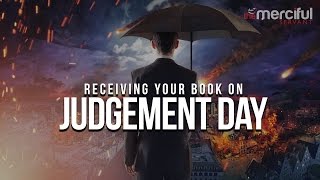
وَأَمَّا مَنْ أُوتِىَ كِتَٰبَهُۥ وَرَآءَ ظَهْرِهِۦ.(10)

But as for he who is given his record behind his back,(10) [Al-Inshiqaaq: 10]

Back to surah / Surah 084 · Al-Inshiqaaq / Ayah 10

Section 01

Traditional understanding

Translation, tafseer from classical and modern scholars, transliteration, word-by-word grammar.

Translation Sahih International

But as for he who is given his record behind his back,(10)

Tafseer Abdullah Yusuf

In 69:24, the wicked are given the Record in their left hand. But their hands will not be free. Sin will have tied their hands behind their back: and thus they can only receive their Records in their left hand, behind their back.

Tafseer Dr. Farooq Azam

But he who is given his book of deeds from behind his back,he is given the book, is placed behind his back,

Tafseer Ibn Abbas

(But whoso is given his account) the account of his evil deeds (behind his back) in his left hand, referring here to al-Aswad Ibn 'Abd al-Asad, the brother of Abu Salamah,

Tafseer Jalalain

But as for him who is given his book from behind his back — and this is the disbeliever, whose right hand is chained to his neck and whose left hand, by which

Tafseer Ma’arif Ul-Quran

Next Tafsir starts from Ayah 16

Tafseer Mufti Taqi Usmani

At many places in The Holy Qur’an it is mentioned that the record of deeds of the disbelievers will be given in the left hand and that is why they are mentioned to be ‘people of the left’ in 56:9. Combined with such verses, the present verse means that they will be given their record of deeds from their behind into their left hand.

Tafseer Shaikh Ashiq Ilahi

On the other hand, "As for him who is given his record behind his back, he will soon call for destruction and will enter the Blazing Fire." Allah mentions in Surah Haqqah that these people will receive their records of deeds in their left hands. These will be given to them from behind their backs. This will be when every person will "meet with the fruit of his efforts -. Describing such a person in Surah Haqqah, Allah says, "As for the one who receives his record in the left hand, he will cry, 'Oh dear If only I were not given my record and I had not known my reckoning! Alas! If only death had been my end! "' [Surah 69, verses 25-27] (Combined Tafsir of verses 10-12)

Tafseer Tafheem Ul-Quran

In Surah Al Haaqqah: 25, it was said that his record will be given him in his left hand but here "behind his back. ! This will probably be for the reason that he would already have lost all hope that he would be given his record in his right hand, for he would be well aware of his misdeeds and sure to receive his record in his left hand. However, in order to avoid the humiliation of receiving it in the left hand, in front of all mankind, he will withdraw his hand behind and so would receive it 'behind his back."

Transliteration

Ayah 10

Waamma man ootiya kitabahu waraa thahrihi

Word-by-word

Ayah 10

# Arabic Pronunciation Meaning Root
1 وَأَمَّا Waamma But as for
2 مَنْ man (him) who
3 أُوتِىَ ootiya is given أ ت ي
4 كِتَابَهُۥ kitabahu his record ك ت ب
5 وَرَآءَ waraa behind و ر ي
6 ظَهْرِهِۦ thahrihi his back ظ ه ر

Section 02

Cross-references

Similar verses elsewhere in the Qur’an and authentic ahadith narrated about this ayah.

Section 03

Articles & resources

Long-form articles, scientific commentary, and historical context linked from the legacy archive.

Section 04

Audio & video lectures

8 videos · 2 audio lectures from contemporary scholars.

References

  1. Tafseer — Abdullah Yusuf
  2. Tafseer — Dr. Farooq Azam
  3. Tafseer — Ibn Abbas
  4. Tafseer — Jalalain
  5. Tafseer — Ma’arif Ul-Quran
  6. Tafseer — Mufti Taqi Usmani
  7. Tafseer — Shaikh Ashiq Ilahi
  8. Tafseer — Tafheem Ul-Quran
  9. Translation — Sahih International
  10. Hadith collections — 2 narrations from Bukhari, Muslim, Tirmidhi, Abu Dawud and others (see Cross-references)
  11. Linked articles — 4 long-form pieces

Ayat 11

فَسَوْفَ يَدْعُوا۟ ثُبُورًۭا.(11)

He will cry out for destruction(11) [Al-Inshiqaaq: 11]

Back to surah / Surah 084 · Al-Inshiqaaq / Ayah 11

Section 01

Traditional understanding

Translation, tafseer from classical and modern scholars, transliteration, word-by-word grammar.

Translation Sahih International

He will cry out for destruction(11)

Tafseer Abdullah Yusuf

The wicked will cry for death and annihilation: but they will neither live nor die: 20:74.

Tafseer Dr. Farooq Azam

shall soon be calling for death

Tafseer Ibn Abbas

: (He surely will invoke destruction)

Tafseer Jalalain

he will pray, upon seeing what is in it, for annihilation, he will invoke destruction against himself by saying: yā thabūrāh, ‘O annihilation [of mine]!’,

Tafseer Ma’arif Ul-Quran

(Next Tafsir starts from Ayah 16) he will pray for death,

Tafseer Mufti Taqi Usmani

he will pray for death,

Tafseer Shaikh Ashiq Ilahi

On the other hand, "As for him who is given his record behind his back, he will soon call for destruction and will enter the Blazing Fire." Allah mentions in Surah Haqqah that these people will receive their records of deeds in their left hands. These will be given to them from behind their backs. This will be when every person will "meet with the fruit of his efforts -. Describing such a person in Surah Haqqah, Allah says, "As for the one who receives his record in the left hand, he will cry, 'Oh dear If only I were not given my record and I had not known my reckoning! Alas! If only death had been my end! "' [Surah 69, verses 25-27] (Combined Tafsir of verses 10-12)

Tafseer Tafheem Ul-Quran

shall cry for “perdition,”

Transliteration

Ayah 11

Fasawfa yadAAoo thubooran

Word-by-word

Ayah 11

# Arabic Pronunciation Meaning Root
1 فَسَوْفَ Fasawfa Then soon
2 يَدْعُوا yadAAoo he will call د ع و
3 ثُبُورًا thubooran (for) destruction ث ب ر

Section 02

Cross-references

Similar verses elsewhere in the Qur’an and authentic ahadith narrated about this ayah.

Section 03

Articles & resources

Long-form articles, scientific commentary, and historical context linked from the legacy archive.

Section 04

Audio & video lectures

10 videos · 0 audio lectures from contemporary scholars.

References

  1. Tafseer — Abdullah Yusuf
  2. Tafseer — Dr. Farooq Azam
  3. Tafseer — Ibn Abbas
  4. Tafseer — Jalalain
  5. Tafseer — Ma’arif Ul-Quran
  6. Tafseer — Mufti Taqi Usmani
  7. Tafseer — Shaikh Ashiq Ilahi
  8. Tafseer — Tafheem Ul-Quran
  9. Translation — Sahih International
  10. Hadith collections — 2 narrations from Bukhari, Muslim, Tirmidhi, Abu Dawud and others (see Cross-references)
  11. Linked articles — 4 long-form pieces

Ayat 12

وَيَصْلَىٰ سَعِيرًا.(12)

And [enter to] burn in a Blaze.(12) [Al-Inshiqaaq: 12]

Back to surah / Surah 084 · Al-Inshiqaaq / Ayah 12

Section 01

Traditional understanding

Translation, tafseer from classical and modern scholars, transliteration, word-by-word grammar.

Translation Sahih International

And [enter to] burn in a Blaze.(12)

Tafseer Abdullah Yusuf

And he will enter a Blazing Fire.

Tafseer Dr. Farooq Azam

and shall be made to enter a blazing fire

Tafseer Ibn Abbas

And be thrown to scorching fire.

Tafseer Jalalain

and he will enter the Blaze, an intense fire (a variant reading [for yaslā, ‘he will enter’] has yusallā, ‘he will be admitted’).

Tafseer Ma’arif Ul-Quran

Next Tafsir starts from Ayah 16

Tafseer Mufti Taqi Usmani

and will enter the blazing fire.

Tafseer Shaikh Ashiq Ilahi

On the other hand, "As for him who is given his record behind his back, he will soon call for destruction and will enter the Blazing Fire." Allah mentions in Surah Haqqah that these people will receive their records of deeds in their left hands. These will be given to them from behind their backs. This will be when every person will "meet with the fruit of his efforts -. Describing such a person in Surah Haqqah, Allah says, "As for the one who receives his record in the left hand, he will cry, 'Oh dear If only I were not given my record and I had not known my reckoning! Alas! If only death had been my end! "' [Surah 69, verses 25-27] (Combined Tafsir of verses 10-12)

Transliteration

Ayah 12

Wayasla saAAeeran

Word-by-word

Ayah 12

# Arabic Pronunciation Meaning Root
1 وَيَصْلَىٰ Wayasla And he will burn ص ل ي
2 سَعِيرًا saAAeeran (in) a Blaze س ع ر

Section 02

Cross-references

Similar verses elsewhere in the Qur’an and authentic ahadith narrated about this ayah.

Section 03

Articles & resources

Long-form articles, scientific commentary, and historical context linked from the legacy archive.

Section 04

Audio & video lectures

16 videos · 0 audio lectures from contemporary scholars.

References

  1. Tafseer — Abdullah Yusuf
  2. Tafseer — Dr. Farooq Azam
  3. Tafseer — Ibn Abbas
  4. Tafseer — Jalalain
  5. Tafseer — Ma’arif Ul-Quran
  6. Tafseer — Mufti Taqi Usmani
  7. Tafseer — Shaikh Ashiq Ilahi
  8. Translation — Sahih International
  9. Hadith collections — 8 narrations from Bukhari, Muslim, Tirmidhi, Abu Dawud and others (see Cross-references)
  10. Linked articles — 4 long-form pieces

Ayat 13

إِنَّهُۥ كَانَ فِىٓ أَهْلِهِۦ مَسْرُورًا.(13)

Indeed, he had [once] been among his people in happiness;(13) [Al-Inshiqaaq: 13]

Back to surah / Surah 084 · Al-Inshiqaaq / Ayah 13

Section 01

Traditional understanding

Translation, tafseer from classical and modern scholars, transliteration, word-by-word grammar.

Translation Sahih International

Indeed, he had [once] been among his people in happiness;(13)

Tafseer Abdullah Yusuf

The tables are now turned. His self-complacency and self-conceit in his lower life will now give place to weeping and gnashing of teeth! Cf. n. 6036 (notes) above.

Tafseer Dr. Farooq Azam

for he used to live happily with his family

Tafseer Ibn Abbas

He verily lived joyous with his folk) he was happy with his folk,

Tafseer Jalalain

Indeed among his folk, his clan, in the world, he used to be joyful, wanton, lusting after his desires;

Tafseer Ma’arif Ul-Quran

Next Tafsir starts from Ayah 16

Tafseer Mufti Taqi Usmani

He had been joyful among his people (in the world).

Tafseer Shaikh Ashiq Ilahi

: "Indeed (in the world) he used to be happy among his family." He used to enjoy himself in the world without any concern for the Day of Judgment. In addition to this, "He used to think that he would not return" to account for his deeds before Allah. However, his belief was false. Allah declares, "He certainly will" have to return to Allah to account for his deeds. He was wrong to think that Allah was unaware of his deeds because "Verily his Lord was ever Watchful over him. " (Combined tafsir of verses 13-15)

Tafseer Tafheem Ul-Quran

That is, his way of life was different from that of God's righteous men, about whom in Surah At-Tur: 26, it has been said that they lived among their kinsfolk in fear and dread of God, i.e. they fear lest they should ruin their own Hereafter on account of their absorption in the love of children and endeavors for the sake of their well-being and prosperity in the world. On the contrary, this man lived a life free from every care and worry and helped his children and kinsfolk also to enjoy life fully, no matter what wicked and immoral methods he had to use to procure the means of enjoyment, how he had to usurp the rights of others and transgress the bounds set by Allah for the sake of the worldly pleasures. (Combined Tafsir of 11-13)

Transliteration

Ayah 13

Innahu kana fee ahlihi masrooran

Word-by-word

Ayah 13

# Arabic Pronunciation Meaning Root
1 إِنَّهُۥ Innahu Indeed he
2 كَانَ kana had been ك و ن
3 فِىٓ fee among
4 أَهْلِهِۦ ahlihi his people أ ه ل
5 مَسْرُورًا masrooran happy س ر ر

Section 04

Audio & video lectures

6 videos · 0 audio lectures from contemporary scholars.

References

  1. Tafseer — Abdullah Yusuf
  2. Tafseer — Dr. Farooq Azam
  3. Tafseer — Ibn Abbas
  4. Tafseer — Jalalain
  5. Tafseer — Ma’arif Ul-Quran
  6. Tafseer — Mufti Taqi Usmani
  7. Tafseer — Shaikh Ashiq Ilahi
  8. Tafseer — Tafheem Ul-Quran
  9. Translation — Sahih International

Ayat 14

إِنَّهُۥ ظَنَّ أَن لَّن يَحُورَ.(14)

Indeed, he had thought he would never return [to Allah].(14) [Al-Inshiqaaq: 14]

Back to surah / Surah 084 · Al-Inshiqaaq / Ayah 14

Section 01

Traditional understanding

Translation, tafseer from classical and modern scholars, transliteration, word-by-word grammar.

Translation Sahih International

Indeed, he had thought he would never return [to Allah].(14)

Tafseer Abdullah Yusuf

Most of the Evil in this world is due to the false idea that man is
irresponsible, or to a mad and thoughtless indulgence of self. Man is not
irresponsible. He is responsible for every deed, word, and thought of his, to his
Maker, to Whom he has to return, to give an account of himself. To remember
this and act accordingly is to achieve salvation; to forget or flout that responsibility is to get into the Fire of self-deception and misery

Tafseer Dr. Farooq Azam

and thought that he would never return to Allah for accountability

Tafseer Ibn Abbas

: (He verily deemed that he would never return (unto Allah)) in the Hereafter.

Tafseer Jalalain

: indeed he thought that (an: softened in place of the hardened form, with its subject omitted, that is to say, annahu) he would never return, to his Lord.

Tafseer Ma’arif Ul-Quran

Next Tafsir starts from Ayah 16

Tafseer Mufti Taqi Usmani

He thought he would never revert (to Allah).

Tafseer Shaikh Ashiq Ilahi

"Indeed (in the world) he used to be happy among his family." He used to enjoy himself in the world without any concern for the Day of Judgment. In addition to this, "He used to think that he would not return" to account for his deeds before Allah. However, his belief was false. Allah declares, "He certainly will" have to return to Allah to account for his deeds. He was wrong to think that Allah was unaware of his deeds because "Verily his Lord was ever Watchful over him. " (Combined tafsir of verses 13-15)

Tafseer Tafheem Ul-Quran

That is, it was against God's justice and His wisdom that He should overlook the misdeeds that he was committing and should not summon him before Himself to render his account of the deeds. (Combined Tafsir of ayahs 14 & 15)

Transliteration

Ayah 14

Innahu thanna an lan yahoora

Word-by-word

Ayah 14

# Arabic Pronunciation Meaning Root
1 إِنَّهُۥ Innahu Indeed he
2 ظَنَّ thanna (had) thought ظ ن ن
3 أَن an that
4 لَّن lan never
5 يَحُورَ yahoora he would return ح و ر

Section 02

Cross-references

Similar verses elsewhere in the Qur’an and authentic ahadith narrated about this ayah.

Section 03

Articles & resources

Long-form articles, scientific commentary, and historical context linked from the legacy archive.

Section 04

Audio & video lectures

2 videos · 0 audio lectures from contemporary scholars.

References

  1. Tafseer — Abdullah Yusuf
  2. Tafseer — Dr. Farooq Azam
  3. Tafseer — Ibn Abbas
  4. Tafseer — Jalalain
  5. Tafseer — Ma’arif Ul-Quran
  6. Tafseer — Mufti Taqi Usmani
  7. Tafseer — Shaikh Ashiq Ilahi
  8. Tafseer — Tafheem Ul-Quran
  9. Translation — Sahih International
  10. Quranic cross-references — 4 parallel verses
  11. Linked articles — 8 long-form pieces

Ayat 15

بَلَىٰٓ إِنَّ رَبَّهُۥ كَانَ بِهِۦ بَصِيرًۭا.(15)

But yes! Indeed, his Lord was ever of him, Seeing.(15) [Al-Inshiqaaq: 15]

Back to surah / Surah 084 · Al-Inshiqaaq / Ayah 15

Section 01

Traditional understanding

Translation, tafseer from classical and modern scholars, transliteration, word-by-word grammar.

Translation Sahih International

But yes! Indeed, his Lord was ever of him, Seeing.(15)

Tafseer Abdullah Yusuf

Nay, nay! for his Lord was (ever) watchful of him!

Tafseer Dr. Farooq Azam

O yes! Indeed, his Rabb has ever been watching over his misdeeds

Tafseer Ibn Abbas

(Nay, but lo! his Lord) when He created him (is ever looking on him!) knew that He will raise him again after death.

Tafseer Jalalain

Nay!, he will return to Him; indeed his Lord is ever Seer of him, knowing that he would return to Him.

Tafseer Ma’arif Ul-Quran

Next Tafsir starts from Ayah 16

Tafseer Mufti Taqi Usmani

: No! Indeed his Lord was watchful over him.

Tafseer Shaikh Ashiq Ilahi

"Indeed (in the world) he used to be happy among his family." He used to enjoy himself in the world without any concern for the Day of Judgment. In addition to this, "He used to think that he would not return" to account for his deeds before Allah. However, his belief was false. Allah declares, "He certainly will" have to return to Allah to account for his deeds. He was wrong to think that Allah was unaware of his deeds because "Verily his Lord was ever Watchful over him. " (Combined tafsir of verses 13-15)

Tafseer Tafheem Ul-Quran

That is, it was against God's justice and His wisdom that He should overlook the misdeeds that he was committing and should not summon him before Himself to render his account of the deeds. (Combined Tafsir of 14 & 15)

Transliteration

Ayah 15

Bala inna rabbahu kana bihi baseeran

Word-by-word

Ayah 15

# Arabic Pronunciation Meaning Root
1 بَلَىٰٓ Bala Yes!
2 إِنَّ inna Indeed
3 رَبَّهُۥ rabbahu his Lord ر ب ب
4 كَانَ kana was ك و ن
5 بِهِۦ bihi of him
6 بَصِيرًا baseeran All-Seer ب ص ر

Section 02

Cross-references

Similar verses elsewhere in the Qur’an and authentic ahadith narrated about this ayah.

Section 03

Articles & resources

Long-form articles, scientific commentary, and historical context linked from the legacy archive.

Section 04

Audio & video lectures

6 videos · 0 audio lectures from contemporary scholars.

References

  1. Tafseer — Abdullah Yusuf
  2. Tafseer — Dr. Farooq Azam
  3. Tafseer — Ibn Abbas
  4. Tafseer — Jalalain
  5. Tafseer — Ma’arif Ul-Quran
  6. Tafseer — Mufti Taqi Usmani
  7. Tafseer — Shaikh Ashiq Ilahi
  8. Tafseer — Tafheem Ul-Quran
  9. Translation — Sahih International
  10. Hadith collections — 2 narrations from Bukhari, Muslim, Tirmidhi, Abu Dawud and others (see Cross-references)
  11. Quranic cross-references — 4 parallel verses
  12. Linked articles — 4 long-form pieces

Ayat 16

فَلَآ أُقْسِمُ بِٱلشَّفَقِ.(16)

So I swear by the twilight glow(16) [Al-Inshiqaaq: 16]

Back to surah / Surah 084 · Al-Inshiqaaq / Ayah 16

Section 01

Traditional understanding

Translation, tafseer from classical and modern scholars, transliteration, word-by-word grammar.

Translation Sahih International

So I swear by the twilight glow(16)

Tafseer Abdullah Yusuf

The same form of adjuration as in 69:37. The substantive statement is in verse 19 below: "Ye shall surely travel from stage to stage". Nothing in this life is fixed, or will last. Three things are mentioned which on the one hand have
remained from age to age for as far back as the memory of man can go, and yet
each of them is but a short phase, gone as it were in the twinkling of an eye. See
the following notes: So our life here is but a fleeting show. Its completion is to be
looked for elsewhere. (1) The sun seems such a great reality that people worshipped it as a divinity.
The beautiful glow it leaves when it sets is but momentary: it changes every
moment and vanishes with the twilight.

Tafseer Dr. Farooq Azam

I swear by the glow of sunset;

Tafseer Ibn Abbas

(Oh, I swear by the afterglow of sunset,

Tafseer Jalalain

So I swear (fa-lā: lā is extra) by the twilight (al-shafaq), the reddishness visible in the horizon after the
sunset,

Tafseer Ma’arif Ul-Quran

(Combined tafsir of Ayat 16-19) (So, I swear by the twilight [after ,,, sunset], and by the night and what it envelops, and by the moon when it develops at the full ... 84:16-18) In these verses Allah takes oath by four phenomena and reinforces what was asserted in : 'you have to work hard constantly to reach your Lord' If we consider the four phenomena by which oath is taken, it bears evidence to the subject which is forthcoming in the complement of the oath, that is, the condition of man never remains the same at all times. He undergoes changes and unexpected phases all the time. The first phenomenon that brings about a change in his life is the twilight after the sunset, or the red glow that remains on the west side of the sky after Surah Al-Inshiqaq : 84 : 1 - 25 745 the sunset in the evening. This is the beginning of the night. This is the harbinger of a massive change in human conditions, that is, the light is disappearing and a flood of darkness is setting in. The second phenomenon by which oath is taken is night itself which completes the change in his life. The third phenomenon by which oath is taken includes all things that night envelops or shrouds. The primitive sense of the word wasaqa means to 'pile, gather, heap up the thing'. If it is taken in general sense, it embraces every member of the entire universe which the darkness of night covers, such as animals, vegetation, minerals and inorganic matter, mountains and oceans. By extension, the word would comprehend all things that normally disperse in the light of day and retreat to their own places at night. Human beings return to their homes, animals to their habitats and birds to their nests. Business goods and merchandise are or piled up in one place. This massive change is related to man himself. The fourth phenomenon by which oath is taken is in the following verse: (and by the moon when it develops at the full. ..84:18). The word ittisaq is also derived from wasaqa and it means 'to gather'. The 'gathering of moon' signifies that it gathered its light, and it became complete and full [badr] the moon of the 14th night. The phrase, idhat-tasaqa in relation to moon points to the phenomenon that it goes through various phases. First, it appears as a very fine semicircle. Then its light grows progressively night after night, until it becomes badr kcmil [full moon of the 14th night]. Having taken oath by the vicissitudes of the four phenomena, the Surah asserts the subject: (you shall certainly ascend from stage to stage .... 84:19) The word tabaq or tabqah refers to a 'stage'. Its plural is tabaqat. The verb Jjd latarkabunna is derived from rukiib which means 'to mount or mount up'. The verse purports to say that mankind from the inception to the end of his life will continue to mount up stage by stage, or will pass through all the conditions, gradually and in stages referred to in the preceding verses, that is, periods of light and darkness and other phenomena. He never remains in one condition all the time. He gradually goes through the vicissitudes of life. Vicissitudes of Human Life, His Eternal Journey and His Final Destination In the first instance the male sperm is united with the female egg to Surah Al-Inshiqaq : 84 : 1 - 25 746 form a new human organism. This is turned into a blood-clot which transforms into a lump of flesh, and the lump is formed into bones, and the bones are clothed in flesh. The limbs of the human body thus were completed. Then the soul was breathed into him, and he became a living human being. His first food in the womb of his mother was the unclean blood of the mother's womb. Nine months later, Allah made his way easy to come into the world. Now instead of the unclean blood, he got the [pure] milk of his mother's [breast]. When he saw the wide atmosphere and air of the world, he began to grow and develop. Within the first two years of his life, he started moving and walking about, and was able to talk. He weaned and began to eat more delicious and different types of food. As he grew a little older, he made play and amusement his daily preoccupation. When his intelligence developed [sufficiently], he was tied up in educational and training activities. When he grew into a youth, he abandoned all previous activities and replaced them with youth activities and ushered himself in a new era where marriage, children and house-keeping became his day-to-day preoccupation. Eventually, this era too neared its end. His physical and other prowess began to give up, and every day he fell prey to new ailments. Old age set in. The final stage of this life, that is, death, began to mount. All this happens in full view of everyone. No one dare deny this. But the ignoramus assumes that death or grave is his final stage, and there is nothing beyond. Allah, the Creator of the universe, the Omniscient, made it known, through the various Prophets [through the ages], to the heedless man that grave is not the final stage of his life, but it is merely a waiting-room to enter an enormously large and gigantic world that is yet to come, where the final examination will be conducted and the final stage of his life will be determined. In this world, he will celebrate the Divine remembrance and enjoy eternal comfort and pleasure or he will suffer eternal perdition and damnation [depending on the final assessment]. This is where the vicissitudes of his life will end. Thus the Qur'an says: 'Surely, to your Lord is the return [96:8] 'and that to your Lord is the end (of every one), [42:11] 'you have to work hard constantly to reach your Lord [84:61] The ignoramus and unmindful man is made aware of the fact that the vicissitudes of life are stages in the journey to his final destination. Man ought to realise that walking, moving about, sleeping, waking, and standing and sitting are conditions, in the process of which he is covering the stages of his journey. Eventually, he will reach his Lord and, accounting for his life-long deeds, he will find his final abode that will be a place of never-ending comfort, luxury and pleasure, or [God forbid!] a place of never-ending retribution, torture and torment. A wise person should treat himself in this world as a traveller and prepare himself for the next world. His main goal in this life should be to cultivate for the next life as the Prophet $$ said: "Be in this world as though you are a stranger or a wayfarer." Under the phrase above tabaqan 'an tabaq 'from stage to stage', a similar narration is cited by AbG Nu'aim from Sayyidina Jabir Ibn 'Abdullah & that the Holy Prophet stated that these verses remind the unmindful of his creation, the vicissitudes of his life and instructs him to reconsider his position and the consequences [of his attitude in this life as there is still time] and to prepare for next life.

Tafseer Mufti Taqi Usmani

So, I swear by the twilight (after sunset),

Tafseer Shaikh Ashiq Ilahi

Allah Ta'ala takes an oath by several phenomena in these verses, among them the night and whatever uses the night to rest. Allah takes all these oaths to assert that man will certainly proceed from one phase to another in his existence, with each phase becoming severer than the previous one. From this world, man proceeds to the realm of "Barzakh" (the existence of the grave) and then towards Judgment Day and the many stages of the Hereafter. (Combined tafsir of verses 16-19)

Tafseer Tafheem Ul-Quran

That is, "You will not remain in one and the same state, but will have to pass through countless stages gradually, from youth to old age, from old age to death, from death to barzakh (the intermediary state between death and Resurrection), from barzakh to Resurrections from Resurrection to the Plain of Assembly, then to the Reckoning, and then to the meting out of rewards and punishments. An oath has been sworn by three things to confine this:
(1) by the twilight,
(2) by the darkness of night and the gathering together in it of all those human beings and animals who remain scattered in the day time, and
(3) by the moon's passing through different phases to become full. These are some of those things which testify that rest and stillness is unknown in the universe in which man lives. There is a continuous and gradual change taking place everywhere. Therefore, the disbelievers are wrong in thinking that life comes to an end after man has breathed his last. (Combined tafsir of ayah’s 16,17,18,19)

Transliteration

Ayah 16

Fala oqsimu bialshshafaqi

Word-by-word

Ayah 16

# Arabic Pronunciation Meaning Root
1 فَلَآ Fala But nay!
2 أُقْسِمُ oqsimu I swear ق س م
3 بِالشَّفَقِ bialshshafaqi by the twilight glow ش ف ق

Section 03

Articles & resources

Long-form articles, scientific commentary, and historical context linked from the legacy archive.

Section 04

Audio & video lectures

2 videos · 0 audio lectures from contemporary scholars.

References

  1. Tafseer — Abdullah Yusuf
  2. Tafseer — Dr. Farooq Azam
  3. Tafseer — Ibn Abbas
  4. Tafseer — Jalalain
  5. Tafseer — Ma’arif Ul-Quran
  6. Tafseer — Mufti Taqi Usmani
  7. Tafseer — Shaikh Ashiq Ilahi
  8. Tafseer — Tafheem Ul-Quran
  9. Translation — Sahih International
  10. Linked articles — 4 long-form pieces

Ayat 17

وَٱلَّيْلِ وَمَا وَسَقَ.(17)

And [by] the night and what it envelops(17) [Al-Inshiqaaq: 17]

Back to surah / Surah 084 · Al-Inshiqaaq / Ayah 17

Section 01

Traditional understanding

Translation, tafseer from classical and modern scholars, transliteration, word-by-word grammar.

Translation Sahih International

And [by] the night and what it envelops(17)

Tafseer Abdullah Yusuf

The Night is a phenomenon you see during almost half of every twenty four hours in ordinary latitudes. At nightfall, all the wandering flocks and herds come home. The men scattered abroad for their livelihood return home to rest and sleep. The Night collects them in their homes, and yet this phase of Homing lasts but a little while. Presently all is silent and still. So will it be with our souls
when this life is ended with our death. We shall be collected in a newer and larger Homing.

Tafseer Dr. Farooq Azam

by the night and all that it gathers together;[

Tafseer Ibn Abbas

And by the night and all that it enshroudeth and I swear by the night and that which returns to its place when the night falls,

Tafseer Jalalain

and [by] the night and what it envelops, [what] it brings together of creatures and otherwise that have entered into it,

Tafseer Ma’arif Ul-Quran

(Combined tafsir of Ayat 16-19) (So, I swear by the twilight [after ,,, sunset], and by the night and what it envelops, and by the moon when it develops at the full ... 84:16-18) In these verses Allah takes oath by four phenomena and reinforces what was asserted in : 'you have to work hard constantly to reach your Lord' If we consider the four phenomena by which oath is taken, it bears evidence to the subject which is forthcoming in the complement of the oath, that is, the condition of man never remains the same at all times. He undergoes changes and unexpected phases all the time. The first phenomenon that brings about a change in his life is the twilight after the sunset, or the red glow that remains on the west side of the sky after Surah Al-Inshiqaq : 84 : 1 - 25 745 the sunset in the evening. This is the beginning of the night. This is the harbinger of a massive change in human conditions, that is, the light is disappearing and a flood of darkness is setting in. The second phenomenon by which oath is taken is night itself which completes the change in his life. The third phenomenon by which oath is taken includes all things that night envelops or shrouds. The primitive sense of the word wasaqa means to 'pile, gather, heap up the thing'. If it is taken in general sense, it embraces every member of the entire universe which the darkness of night covers, such as animals, vegetation, minerals and inorganic matter, mountains and oceans. By extension, the word would comprehend all things that normally disperse in the light of day and retreat to their own places at night. Human beings return to their homes, animals to their habitats and birds to their nests. Business goods and merchandise are or piled up in one place. This massive change is related to man himself. The fourth phenomenon by which oath is taken is in the following verse: &'I li! 91; (and by the moon when it develops at the full. ..84:18). The word ittisEq is also derived from wasaqa and it means 'to gather'. The 'gathering of moon' signifies that it gathered its light, and it became complete and full [badr] the moon of the 14th night. The phrase I;! , ,a j;l idhat-tasaqa in relation to moon points to the phenomenon that it goes through various phases. First, it appears as a very fine semicircle. Then its light grows progressively night after night, until it becomes badr kcmil [full moon of the 14th night]. Having taken oath by the vicissitudes of the four phenomena, the Surah asserts the subject: (you shall certainly ascend from stage to stage .... 84:19) The word tabaq or tabqah refers to a 'stage'. Its plural is tabaqat. The verb Jjd latarkabunna is derived from rukiib which means 'to mount or mount up'. The verse purports to say that mankind from the inception to the end of his life will continue to mount up stage by stage, or will pass through all the conditions, gradually and in stages referred to in the preceding verses, that is, periods of light and darkness and other phenomena. He never remains in one condition all the time. He gradually goes through the vicissitudes of life. Vicissitudes of Human Life, His Eternal Journey and His Final Destination In the first instance the male sperm is united with the female egg to Surah Al-Inshiqaq : 84 : 1 - 25 746 form a new human organism. This is turned into a blood-clot which transforms into a lump of flesh, and the lump is formed into bones, and the bones are clothed in flesh. The limbs of the human body thus were completed. Then the soul was breathed into him, and he became a living human being. His first food in the womb of his mother was the unclean blood of the mother's womb. Nine months later, Allah made his way easy to come into the world. Now instead of the unclean blood, he got the [pure] milk of his mother's [breast]. When he saw the wide atmosphere and air of the world, he began to grow and develop. Within the first two years of his life, he started moving and walking about, and was able to talk. He weaned and began to eat more delicious and different types of food. As he grew a little older, he made play and amusement his daily preoccupation. When his intelligence developed [sufficiently], he was tied up in educational and training activities. When he grew into a youth, he abandoned all previous activities and replaced them with youth activities and ushered himself in a new era where marriage, children and house-keeping became his day-to-day preoccupation. Eventually, this era too neared its end. His physical and other prowess began to give up, and every day he fell prey to new ailments. Old age set in. The final stage of this life, that is, death, began to mount. All this happens in full view of everyone. No one dare deny this. But the ignoramus assumes that death or grave is his final stage, and there is nothing beyond. Allah, the Creator of the universe, the Omniscient, made it known, through the various Prophets [through the ages], to the heedless man that grave is not the final stage of his life, but it is merely a waiting-room to enter an enormously large and gigantic world that is yet to come, where the final examination will be conducted and the final stage of his life will be determined. In this world, he will celebrate the Divine remembrance and enjoy eternal comfort and pleasure or he will suffer eternal perdition and damnation [depending on the final assessment]. This is where the vicissitudes of his life will end. Thus the Qur'an says: '&$I LG; J! ;! 'Surely, to your Lord is the return [96:8It &?J, &; J! 'and that to your Lord is the end (of every one), [4211 'you have to work hard constantly to reach your Lord [84:611 The ignoramus and unmindful man is made aware of the fact that the vicissitudes of life are stages in the journey to his final destination. Man ought to realise that walking, moving about, sleeping, waking, and standing and sitting are conditions, in the process of which he is covering the stages of his journey. Eventually, he will reach his Lord and, accounting for his life-long deeds, he will find his final abode that will be a place of never-ending comfort, luxury and pleasure, or [God forbid!] a place of never-ending retribution, torture and torment. A wise person should treat himself in this world as a traveller and prepare himself for the next world. His main goal in this life should be to cultivate for the next life as the Prophet $$ said: "Be in this world as though you are a stranger or a wayfarer." Under the phrase above tabaqan 'an tabaq 'from stage to stage', a similar narration is cited by Abu Nu'aim from Sayyidina Jabir Ibn 'Abdullah & that the Holy Prophet stated that these verses remind the unmindful of his creation, the vicissitudes of his life and instructs him to reconsider his position and the consequences [of his attitude in this life as there is still time] and to prepare for next life.

Tafseer Mufti Taqi Usmani

and by the night and what it envelops,

Tafseer Shaikh Ashiq Ilahi

Allah Ta'ala takes an oath by several phenomena in these verses, among them the night and whatever uses the night to rest. Allah takes all these oaths to assert that man will certainly proceed from one phase to another in his existence, with each phase becoming severer than the previous one. From this world, man proceeds to the realm of "Barzakh" (the existence of the grave) and then towards Judgment Day and the many stages of the Hereafter. (Combined tafsir of verses 16-19)

Tafseer Tafheem Ul-Quran

That is, "You will not remain in one and the same state, but will have to pass through countless stages gradually, from youth to old age, from old age to death, from death to barzakh (the intermediary state between death and Resurrection), from barzakh to Resurrections from Resurrection to the Plain of Assembly, then to the Reckoning, and then to the meting out of rewards and punishments. An oath has been sworn by three things to confine this:
(1) by the twilight,
(2) by the darkness of night and the gathering together in it of all those human beings and animals who remain scattered in the day time, and
(3) by the moon's passing through different phases to become full. These are some of those things which testify that rest and stillness is unknown in the universe in which man lives. There is a continuous and gradual change taking place everywhere. Therefore, the disbelievers are wrong in thinking that life comes to an end after man has breathed his last. (Combined tafsir of ayah’s 16,17,18,19)

Transliteration

Ayah 17

Waallayli wama wasaqa

Word-by-word

Ayah 17

# Arabic Pronunciation Meaning Root
1 وَالَّيْلِ Waallayli And the night ل ي ل
2 وَمَا wama and what
3 وَسَقَ wasaqa it envelops و س ق

Section 02

Cross-references

Similar verses elsewhere in the Qur’an and authentic ahadith narrated about this ayah.

Section 03

Articles & resources

Long-form articles, scientific commentary, and historical context linked from the legacy archive.

Section 04

Audio & video lectures

4 videos · 0 audio lectures from contemporary scholars.

References

  1. Tafseer — Abdullah Yusuf
  2. Tafseer — Dr. Farooq Azam
  3. Tafseer — Ibn Abbas
  4. Tafseer — Jalalain
  5. Tafseer — Ma’arif Ul-Quran
  6. Tafseer — Mufti Taqi Usmani
  7. Tafseer — Shaikh Ashiq Ilahi
  8. Tafseer — Tafheem Ul-Quran
  9. Translation — Sahih International
  10. Hadith collections — 2 narrations from Bukhari, Muslim, Tirmidhi, Abu Dawud and others (see Cross-references)
  11. Linked articles — 4 long-form pieces

Ayat 18

وَٱلْقَمَرِ إِذَا ٱتَّسَقَ.(18)

And [by] the moon when it becomes full(18) [Al-Inshiqaaq: 18]

Back to surah / Surah 084 · Al-Inshiqaaq / Ayah 18

Section 01

Traditional understanding

Translation, tafseer from classical and modern scholars, transliteration, word-by-word grammar.

Translation Sahih International

And [by] the moon when it becomes full(18)

Tafseer Abdullah Yusuf

The astronomical Full Moon does not last a moment. The moment the moon is full, she begins to decline, and the moment she is in her "inter-lunar swoon", she begins her career anew as a growing New Moon. So is man's life here below. It is not fixed or permanent, either in its physical phases, or even more strikingly, in its finer phases, intellectual, emotional, or spiritual.

Tafseer Dr. Farooq Azam

by the moon, when it grows full

Tafseer Ibn Abbas

(And by the moon when she is at the full) for three nights: the nights of the thirteenth, fourteenth and fifteenth of the lunar month

Tafseer Jalalain

and [by] the moon when it is at the full, and its light is complete, and this happens during the nights of the full moon:

Tafseer Ma’arif Ul-Quran

(Combined tafsir of Ayat 16-19) (So, I swear by the twilight [after ,,, sunset], and by the night and what it envelops, and by the moon when it develops at the full ... 84:16-18) In these verses Allah takes oath by four phenomena and reinforces what was asserted in : 'you have to work hard constantly to reach your Lord' If we consider the four phenomena by which oath is taken, it bears evidence to the subject which is forthcoming in the complement of the oath, that is, the condition of man never remains the same at all times. He undergoes changes and unexpected phases all the time. The first phenomenon that brings about a change in his life is the twilight after the sunset, or the red glow that remains on the west side of the sky after Surah Al-Inshiqaq : 84 : 1 - 25 745 the sunset in the evening. This is the beginning of the night. This is the harbinger of a massive change in human conditions, that is, the light is disappearing and a flood of darkness is setting in. The second phenomenon by which oath is taken is night itself which completes the change in his life. The third phenomenon by which oath is taken includes all things that night envelops or shrouds. The primitive sense of the word wasaqa means to 'pile, gather, heap up the thing'. If it is taken in general sense, it embraces every member of the entire universe which the darkness of night covers, such as animals, vegetation, minerals and inorganic matter, mountains and oceans. By extension, the word would comprehend all things that normally disperse in the light of day and retreat to their own places at night. Human beings return to their homes, animals to their habitats and birds to their nests. Business goods and merchandise are or piled up in one place. This massive change is related to man himself. The fourth phenomenon by which oath is taken is in the following verse: (and by the moon when it develops at the full. ..84:18). The word ittisaq is also derived from wasaqa and it means 'to gather'. The 'gathering of moon' signifies that it gathered its light, and it became complete and full [badr] the moon of the 14th night. The phrase idhat-tasaqa in relation to moon points to the phenomenon that it goes through various phases. First, it appears as a very fine semicircle. Then its light grows progressively night after night, until it becomes badr kamil [full moon of the 14th night]. Having taken oath by the vicissitudes of the four phenomena, the Surah asserts the subject: (you shall certainly ascend from stage to stage .... 84:19) The word tabaq or tabqah refers to a 'stage'. Its plural is tabaqat. The verb latarkabunna is derived from rukuub which means 'to mount or mount up'. The verse purports to say that mankind from the inception to the end of his life will continue to mount up stage by stage, or will pass through all the conditions, gradually and in stages referred to in the preceding verses, that is, periods of light and darkness and other phenomena. He never remains in one condition all the time. He gradually goes through the vicissitudes of life. Vicissitudes of Human Life, His Eternal Journey and His Final Destination In the first instance the male sperm is united with the female egg to Surah Al-Inshiqaq : 84 : 1 - 25 746 form a new human organism. This is turned into a blood-clot which transforms into a lump of flesh, and the lump is formed into bones, and the bones are clothed in flesh. The limbs of the human body thus were completed. Then the soul was breathed into him, and he became a living human being. His first food in the womb of his mother was the unclean blood of the mother's womb. Nine months later, Allah made his way easy to come into the world. Now instead of the unclean blood, he got the [pure] milk of his mother's [breast]. When he saw the wide atmosphere and air of the world, he began to grow and develop. Within the first two years of his life, he started moving and walking about, and was able to talk. He weaned and began to eat more delicious and different types of food. As he grew a little older, he made play and amusement his daily preoccupation. When his intelligence developed [sufficiently], he was tied up in educational and training activities. When he grew into a youth, he abandoned all previous activities and replaced them with youth activities and ushered himself in a new era where marriage, children and house-keeping became his day-to-day preoccupation. Eventually, this era too neared its end. His physical and other prowess began to give up, and every day he fell prey to new ailments. Old age set in. The final stage of this life, that is, death, began to mount. All this happens in full view of everyone. No one dare deny this. But the ignoramus assumes that death or grave is his final stage, and there is nothing beyond. Allah, the Creator of the universe, the Omniscient, made it known, through the various Prophets [through the ages], to the heedless man that grave is not the final stage of his life, but it is merely a waiting-room to enter an enormously large and gigantic world that is yet to come, where the final examination will be conducted and the final stage of his life will be determined. In this world, he will celebrate the Divine remembrance and enjoy eternal comfort and pleasure or he will suffer eternal perdition and damnation [depending on the final assessment]. This is where the vicissitudes of his life will end. Thus the Qur'an says: '&$I LG; J! ;! 'Surely, to your Lord is the return [96:8] 'and that to your Lord is the end (of every one), [42:11] 'you have to work hard constantly to reach your Lord [84:6] The ignoramus and unmindful man is made aware of the fact that the vicissitudes of life are stages in the journey to his final destination. Man ought to realise that walking, moving about, sleeping, waking, and standing and sitting are conditions, in the process of which he is covering the stages of his journey. Eventually, he will reach his Lord and, accounting for his life-long deeds, he will find his final abode that will be a place of never-ending comfort, luxury and pleasure, or [God forbid!] a place of never-ending retribution, torture and torment. A wise person should treat himself in this world as a traveller and prepare himself for the next world. His main goal in this life should be to cultivate for the next life as the Prophet $$ said: "Be in this world as though you are a stranger or a wayfarer." Under the phrase above tabaqan 'an tabaq 'from stage to stage', a similar narration is cited by Abu Nu'aim from Sayyidina Jabir Ibn 'Abdullah & that the Holy Prophet stated that these verses remind the unmindful of his creation, the vicissitudes of his life and instructs him to reconsider his position and the consequences [of his attitude in this life as there is still time] and to prepare for next life.

Tafseer Mufti Taqi Usmani

and by the moon when it develops at the full,

Tafseer Shaikh Ashiq Ilahi

Allah Ta'ala takes an oath by several phenomena in these verses, among them the night and whatever uses the night to rest. Allah takes all these oaths to assert that man will certainly proceed from one phase to another in his existence, with each phase becoming severer than the previous one. From this world, man proceeds to the realm of "Barzakh" (the existence of the grave) and then towards Judgment Day and the many stages of the Hereafter. (Combined tafsir of verses 16-19)

Tafseer Tafheem Ul-Quran

That is, "You will not remain in one and the same state, but will have to pass through countless stages gradually, from youth to old age, from old age to death, from death to barzakh (the intermediary state between death and Resurrection), from barzakh to Resurrections from Resurrection to the Plain of Assembly, then to the Reckoning, and then to the meting out of rewards and punishments. An oath has been sworn by three things to confine this:
(1) by the twilight,
(2) by the darkness of night and the gathering together in it of all those human beings and animals who remain scattered in the day time, and
(3) by the moon's passing through different phases to become full. These are some of those things which testify that rest and stillness is unknown in the universe in which man lives. There is a continuous and gradual change taking place everywhere. Therefore, the disbelievers are wrong in thinking that life comes to an end after man has breathed his last. (Combined tafsir of ayah’s 16,17,18,19)

Transliteration

Ayah 18

Waalqamari itha ittasaqa

Word-by-word

Ayah 18

# Arabic Pronunciation Meaning Root
1 وَالْقَمَرِ Waalqamari And the moon ق م ر
2 إِذَا itha when
3 اتَّسَقَ ittasaqa it becomes full و س ق

Section 02

Cross-references

Similar verses elsewhere in the Qur’an and authentic ahadith narrated about this ayah.

Section 03

Articles & resources

Long-form articles, scientific commentary, and historical context linked from the legacy archive.

Section 04

Audio & video lectures

2 videos · 0 audio lectures from contemporary scholars.

References

  1. Tafseer — Abdullah Yusuf
  2. Tafseer — Dr. Farooq Azam
  3. Tafseer — Ibn Abbas
  4. Tafseer — Jalalain
  5. Tafseer — Ma’arif Ul-Quran
  6. Tafseer — Mufti Taqi Usmani
  7. Tafseer — Shaikh Ashiq Ilahi
  8. Tafseer — Tafheem Ul-Quran
  9. Translation — Sahih International
  10. Hadith collections — 16 narrations from Bukhari, Muslim, Tirmidhi, Abu Dawud and others (see Cross-references)
  11. Linked articles — 6 long-form pieces
Ayat 19

لَتَرْكَبُنَّ طَبَقًا عَن طَبَقٍۢ.(19)

[That] you will surely experience state after state.(19) [Al-Inshiqaaq: 19]

Back to surah / Surah 084 · Al-Inshiqaaq / Ayah 19

Section 01

Traditional understanding

Translation, tafseer from classical and modern scholars, transliteration, word-by-word grammar.

Translation Sahih International

[That] you will surely experience state after state.(19)

Tafseer Abdullah Yusuf

Allah Ta'ala takes an oath by several phenomena in these verses, among them the night and whatever uses the night to rest. Allah takes all these oaths to assert that man will certainly proceed from one phase to another in his existence, with each phase becoming severer than the previous one. From this world, man proceeds to the realm of "Barzakh" (the existence of the grave) and then towards Judgment Day and the many stages of the Hereafter. (Combined tafsir of verses 16-19)

Tafseer Dr. Farooq Azam

You will certainly proceed from
phase to phase.

Tafseer Ibn Abbas

(That ye shall journey) the whole creation shall be transformed (on from plane to plane) from one state to another; from the time He created them until the time they die, and from the time they die until they enter either Paradise or hell: in all these times Allah transforms them from one state to another; it is also said that this means: you shall journey, O Muhammad, from one heaven to another on the day of the ascent; and it 743 is also said that this means: this denier will go from one state to another, from the time he dies until he enters the Fire.

Tafseer Jalalain

you will surely journey (tarkabunna is actually tarkabūnanna, but the nūn of the indicative has been omitted because of two identical letters following one another, and the wāw [is omitted] because of two unvocalised consonants coming together), from stage to stage, state after state, namely, death, then life, then what comes afterwards of the states at the Resurrection.

Tafseer Ma’arif Ul-Quran

: (Combined tafsir of Ayat 16-19) (So, I swear by the twilight [after ,,, sunset], and by the night and what it envelops, and by the moon when it develops at the full ... 84:16-18) In these verses Allah takes oath by four phenomena and reinforces what was asserted in : 'you have to work hard constantly to reach your Lord' If we consider the four phenomena by which oath is taken, it bears evidence to the subject which is forthcoming in the complement of the oath, that is, the condition of man never remains the same at all times. He undergoes changes and unexpected phases all the time. The first phenomenon that brings about a change in his life is the twilight after the sunset, or the red glow that remains on the west side of the sky after the sunset in the evening. This is the beginning of the night. This is the harbinger of a massive change in human conditions, that is, the light is disappearing and a flood of darkness is setting in. The second phenomenon by which oath is taken is night itself which completes the change in his life. The third phenomenon by which oath is taken includes all things that night envelops or shrouds. The primitive sense of the word wasaqa means to 'pile, gather, heap up the thing'. If it is taken in general sense, it embraces every member of the entire universe which the darkness of night covers, such as animals, vegetation, minerals and inorganic matter, mountains and oceans. By extension, the word would comprehend all things that normally disperse in the light of day and retreat to their own places at night. Human beings return to their homes, animals to their habitats and birds to their nests. Business goods and merchandise are or piled up in one place. This massive change is related to man himself. The fourth phenomenon by which oath is taken is in the following verse: (and by the moon when it develops at the full. ..84:18). The word ittisaq is also derived from wasaqa and it means 'to gather'. The 'gathering of moon' signifies that it gathered its light, and it became complete and full [badr] the moon of the 14th night. The phrase idhat-tasaqa in relation to moon points to the phenomenon that it goes through various phases. First, it appears as a very fine semicircle. Then its light grows progressively night after night, until it becomes badr kamil [full moon of the 14th night]. Having taken oath by the vicissitudes of the four phenomena, the Surah asserts the subject: (you shall certainly ascend from stage to stage .... 84:19) The word tabaq or tabqah refers to a 'stage'. Its plural is tabaqat. The verb Jjd latarkabunna is derived from rukiib which means 'to mount or mount up'. The verse purports to say that mankind from the inception to the end of his life will continue to mount up stage by stage, or will pass through all the conditions, gradually and in stages referred to in the preceding verses, that is, periods of light and darkness and other phenomena. He never remains in one condition all the time. He gradually goes through the vicissitudes of life. Vicissitudes of Human Life, His Eternal Journey and His Final Destination In the first instance the male sperm is united with the female egg to form a new human organism. This is turned into a blood-clot which transforms into a lump of flesh, and the lump is formed into bones, and the bones are clothed in flesh. The limbs of the human body thus were completed. Then the soul was breathed into him, and he became a living human being. His first food in the womb of his mother was the unclean blood of the mother's womb. Nine months later, Allah made his way easy to come into the world. Now instead of the unclean blood, he got the [pure] milk of his mother's [breast]. When he saw the wide atmosphere and air of the world, he began to grow and develop. Within the first two years of his life, he started moving and walking about, and was able to talk. He weaned and began to eat more delicious and different types of food. As he grew a little older, he made play and amusement his daily preoccupation. When his intelligence developed [sufficiently], he was tied up in educational and training activities. When he grew into a youth, he abandoned all previous activities and replaced them with youth activities and ushered himself in a new era where marriage, children and house-keeping became his day-to-day preoccupation. Eventually, this era too neared its end. His physical and other prowess began to give up, and every day he fell prey to new ailments. Old age set in. The final stage of this life, that is, death, began to mount. All this happens in full view of everyone. No one dare deny this. But the ignoramus assumes that death or grave is his final stage, and there is nothing beyond. Allah, the Creator of the universe, the Omniscient, made it known, through the various Prophets [through the ages], to the heedless man that grave is not the final stage of his life, but it is merely a waiting-room to enter an enormously large and gigantic world that is yet to come, where the final examination will be conducted and the final stage of his life will be determined. In this world, he will celebrate the Divine remembrance and enjoy eternal comfort and pleasure or he will suffer eternal perdition and damnation [depending on the final assessment]. This is where the vicissitudes of his life will end. Thus the Qur'an says: Surely, to your Lord is the return 'and that to your Lord is the end (of every one), 'you have to work hard constantly to reach your Lord [84:6 The ignoramus and unmindful man is made aware of the fact that the vicissitudes of life are stages in the journey to his final destination. Man ought to realise that walking, moving about, sleeping, waking, and standing and sitting are conditions, in the process of which he is covering the stages of his journey. Eventually, he will reach his Lord and, accounting for his life-long deeds, he will find his final abode that will be a place of never-ending comfort, luxury and pleasure, or [God forbid!] a place of never-ending retribution, torture and torment. A wise person should treat himself in this world as a traveller and prepare himself for the next world. His main goal in this life should be to cultivate for the next life as the Prophet said: "Be in this world as though you are a stranger or a wayfarer." Under the phrase above tabaqan 'an tabaq 'from stage to stage', a similar narration is cited by Abu Nu'aim from Sayyidina Jabir Ibn 'Abdullah & that the Holy Prophet stated that these verses remind the unmindful of his creation, the vicissitudes of his life and instructs him to reconsider his position and the consequences [of his attitude in this life as there is still time] and to prepare for next life.

Tafseer Mufti Taqi Usmani

It was said in verse 6 that every man has to work hard during his life, by acting either righteously or sinfully. The present verse says that he has to transit from one stage to another, not only in his wordly life, but also after his death, as he moves from physical life to spiritual life in Barzakh, and on the day of doom even his spiritual life will end. Then, he will be resurrected with his body and soul. He will then pass the process of giving account of his deeds, and ultimately he will come to his final abode of either Paradise or Hell. Here again, he may pass through different stages from lower to the higher reward or punishment. In order to emphasize this fact, oaths are sworn by the moon and the night, which in this context allude to the changes observed on daily basis in different phases of the night and the moon.

Tafseer Shaikh Ashiq Ilahi

Man travels and ascends stage by stage. In 67:3 the same word in the form tibaqa was used of the heavens, as if they were in layers one above another. Man's spiritual life may similarly be compared to an ascent from one heaven to another.

Tafseer Tafheem Ul-Quran

That is, "You will not remain in one and the same state, but will have to pass through countless stages gradually, from youth to old age, from old age to death, from death to barzakh (the intermediary state between death and Resurrection), from barzakh to Resurrections from Resurrection to the Plain of Assembly, then to the Reckoning, and then to the meting out of rewards and punishments. An oath has been sworn by three things to confine this:
(1) by the twilight,
(2) by the darkness of night and the gathering together in it of all those human beings and animals who remain scattered in the day time, and
(3) by the moon's passing through different phases to become full. These are some of those things which testify that rest and stillness is unknown in the universe in which man lives. There is a continuous and gradual change taking place everywhere. Therefore, the disbelievers are wrong in thinking that life comes to an end after man has breathed his last. (Combined tafsir of ayah’s 16,17,18,19)

Transliteration

Ayah 19

Latarkabunna tabaqan AAan tabaqin

Word-by-word

Ayah 19

# Arabic Pronunciation Meaning Root
1 لَتَرْكَبُنَّ Latarkabunna You will surely embark ر ك ب
2 طَبَقًا tabaqan (to) stage ط ب ق
3 عَن AAan from
4 طَبَقٍ tabaqin stage ط ب ق

Section 02

Cross-references

Similar verses elsewhere in the Qur’an and authentic ahadith narrated about this ayah.

Section 03

Articles & resources

Long-form articles, scientific commentary, and historical context linked from the legacy archive.

Section 04

Audio & video lectures

2 videos · 0 audio lectures from contemporary scholars.

References

  1. Tafseer — Abdullah Yusuf
  2. Tafseer — Dr. Farooq Azam
  3. Tafseer — Ibn Abbas
  4. Tafseer — Jalalain
  5. Tafseer — Ma’arif Ul-Quran
  6. Tafseer — Mufti Taqi Usmani
  7. Tafseer — Shaikh Ashiq Ilahi
  8. Tafseer — Tafheem Ul-Quran
  9. Translation — Sahih International
  10. Hadith collections — 8 narrations from Bukhari, Muslim, Tirmidhi, Abu Dawud and others (see Cross-references)
  11. Quranic cross-references — 4 parallel verses
  12. Linked articles — 6 long-form pieces
Ayat 20

فَمَا لَهُمْ لَا يُؤْمِنُونَ.(20)

So what is [the matter] with them [that] they do not believe,(20) [Al-Inshiqaaq: 20]

Back to surah / Surah 084 · Al-Inshiqaaq / Ayah 20

Section 01

Traditional understanding

Translation, tafseer from classical and modern scholars, transliteration, word-by-word grammar.

Translation Sahih International

So what is [the matter] with them [that] they do not believe,(20)

Tafseer Abdullah Yusuf

Considering man's high destiny, and the fact that this life is but a stage or a sojourn for him, it might be expected that he would eagerly embrace every
opportunity of welcoming Allah's Revelation and ascending by Faith to heights of spiritual wisdom. There is something wrong with his will if he does not do so.
Notice the transition from the second person in verse 19, where there is a direct appeal to Allah's votaries, to the third person in verses 20-21, where men who are rebels against Allah's Kingdom are spoken of as if they were alien.

Tafseer Dr. Farooq Azam

So, what is wrong with them that they do not believe,

Tafseer Ibn Abbas

(What aileth them) the disbelievers of Mecca; and it is said this refers to the three sons of 'Abd Yalayl alThaqafi: Mas'ud, Habib and Rabi'ah, the last two had later on accepted Islam (then, that they believe not) in Muhammad (pbuh) and the Qur'an.

Tafseer Jalalain

So what is wrong with them, that is, the disbelievers, that they do not have faith, that is to say, what is there to prevent them from [embracing] faith; or what argument do they have for neglecting it despite the existence of proofs for it,

Tafseer Ma’arif Ul-Quran

(Tafsir 20-21) It means that when the Qur'an, replete with clear guidelines, is recited to them, they do not bow in submission. The word sajdah literally denotes 'to bow' and it connotes 'obedience'. Obviously, the word here is not used in its technical sense. It is used in the sense of bowing in submission with respect, humbleness and humility. The reason [for this interpretation] is quite clear. This verse does not command to prostrate at the time of recitation of a particular verse. It is related to the entire Qur'an. If the word sajdah had referred to the technical prostration, it would necessarily entail that prostration be offered at every verse of the entire Qur'an, which by unanimous agreement of the Ummah is not the case. Neither salaf nor khalaf subscribe to this view. Now remains the question whether or not a sajdah is obligatory when this verse is recited. (There is a disagreement among the jurists on this point) By a long stretch of imagination, it is possible to use this verse in evidence or support of arguing in favour of prostration being obligatory on recitation of this verse, as some of the Hanagjurists have done. According to them, the definite article al- 'the' in the word al-Qur'an stands for the article that is used to indicate previous knowledge, and thus the word al-Qur'an here refers to this particular verse under comment, not to the entire al-Qur'an or the Holy Book. However, this interpretation is after all merely a possibility, but the clear context of the verse indicates that it seems to be far-fetched to take the verse in this sense. And Allah knows best! The true interpretation can be determined by prophetic narratives, the practice of the Holy Prophet $!$ and that of the noble Companions. The narratives pertaining to sajdah of tilawah differ. Some indicate that it is an obligatory duty to make sajdah on this verse, and others indicate that it is not. As a result, there is a difference of opinion among jurists. Imam Abu Hanifah holds the view that prostration at this verse is an obligatory duty as is obligatory at other verses of mufassal. Imam A'zam adduces the following Ahadith in favour of his opinion: Bukhari recorded from Abii Raff & that he prayed the 'Isha' [Night] prayer behind Sayyidina Abu Hurairah &, and the latter recited: (When the sky will split apart) and at the relevant verse, he prostrated. So, Sayyidina Abu Rafi asked him what type of prostration it was. Sayyidna Abii Hurairah & replied: "I prostrated at this verse behind Abul Qasim in Salah, and I will never cease prostrating during its recitation until I meet him on the Plain of Gathering." Muslim transmitted a narrative from Sayyidina Abu Hurairah & that they prostrated with the Holy Prophet at relevant verses of this Surah, and of “Iqra bismi rabbik”. Qurtubi reports from Ibn-ul-'Arab; that the veritable view is that this verse is one of the verses at which it is an obligatory duty to prostrate when read or recited or heard being recited. However, the people among whom Ibn-ul-'Arab: lived' it was not customary among them to prostrate at this verse. They probably followed an Imam, according to whom the prostration was not obligatory. As a result, Ibn-ul-'Arabi says that whenever he led the congregational prayer, he would avoid reciting Surah Al-Inshiqaq, because in his view prostration at the relevant verse is obligatory. If he does not perform the prostration, he would be sinning. If he does perform the prostration, the entire congregation would regard it an unnecessary act. Therefore, he felt he should not unnecessarily split the community. And Allah knows best!

Tafseer Mufti Taqi Usmani

So, what is wrong with them that they do not believe,

Tafseer Shaikh Ashiq Ilahi

(Combined tafsir of 20-23) Allah then asks, "What is the matter with them that they do not believe and do not prostrate when the Qur'an is recited to them? Rather, the disbelievers choose to deny." Despite realising that they are fast approaching their deaths and after being given the proofs of life after death and reckoning, the disbelievers still refuse to submit and to acknowledge the divine origin of the Qur'an. However, they should bear in mind that "Allah is well Aware of whatever they amass" i.e. Allah knows the disbelief, the polytheism and the evil that they bear in their hearts. Other commentators state that "whatever they amass" refers to the evil deeds that they accumulate in their records of deeds. Allah is Aware of all this and will punish them accordingly, "So give them the tidings of a painful punishment." Although tidings are generally given of pleasant things, the news of punishment is referred to as "tidings" because the disbelievers anticipated that they would be successful by adhering to disbelief and polytheism.

Tafseer Tafheem Ul-Quran

So, what is the matter with them that they do not believe,

Transliteration

Ayah 20

Fama lahum la yuminoona

Word-by-word

Ayah 20

# Arabic Pronunciation Meaning Root
1 فَمَا Fama So what?
2 لَهُمْ lahum (is) for them
3 لَا la not
4 يُؤْمِنُونَ yuminoona they believe أ م ن

Section 04

Audio & video lectures

4 videos · 0 audio lectures from contemporary scholars.

References

  1. Tafseer — Abdullah Yusuf
  2. Tafseer — Dr. Farooq Azam
  3. Tafseer — Ibn Abbas
  4. Tafseer — Jalalain
  5. Tafseer — Ma’arif Ul-Quran
  6. Tafseer — Mufti Taqi Usmani
  7. Tafseer — Shaikh Ashiq Ilahi
  8. Tafseer — Tafheem Ul-Quran
  9. Translation — Sahih International

Ayat 21

وَإِذَا قُرِئَ عَلَيْهِمُ ٱلْقُرْءَانُ لَا يَسْجُدُونَ ۩.(21)

And when the Qur'an is recited to them, they do not prostrate [to Allah]?(21) [Al-Inshiqaaq: 21]

Back to surah / Surah 084 · Al-Inshiqaaq / Ayah 21

Section 01

Traditional understanding

Translation, tafseer from classical and modern scholars, transliteration, word-by-word grammar.

Translation Sahih International

And when the Qur'an is recited to them, they do not prostrate [to Allah]?(21)

Tafseer Abdullah Yusuf

Prostrate: out of respect and humble gratitude to Allah.

Tafseer Dr. Farooq Azam

and when the Qur’ān is recited to them, they do not offer sajdah (prostration)?

Tafseer Ibn Abbas

and, what is wrong with them, that when the Qur’ān is recited to them they do not prostrate?, they [do not] submit by believing in it, given its inimitability?

Tafseer Jalalain

Prostrate: out of respect and humble gratitude to Allah.

Tafseer Ma’arif Ul-Quran

(Tafsir 20-21) It means that when the Qur'an, replete with clear guidelines, is recited to them, they do not bow in submission. The word sajdah literally denotes 'to bow' and it connotes 'obedience'. Obviously, the word here is not used in its technical sense. It is used in the sense of bowing in submission with respect, humbleness and humility. The reason [for this interpretation] is quite clear. This verse does not command to prostrate at the time of recitation of a particular verse. It is related to the entire Qur'an. If the word sajdah had referred to the technical prostration, it would necessarily entail that prostration be offered at every verse of the entire Qur'an, which by unanimous agreement of the Ummah is not the case. Neither salaf nor khalaf subscribe to this view. Now remains the question whether or not a sajdah is obligatory when this verse is recited. (There is a disagreement among the jurists on this point) By a long stretch of imagination, it is possible to use this verse in evidence or support of arguing in favour of prostration being obligatory on recitation of this verse, as some of the Hanagjurists have done. According to them, the definite article al- 'the' in the word al-Qur'an stands for the article that is used to indicate previous knowledge, and thus the word al-Qur'an here refers to this particular verse under comment, not to the entire al-Qur'an or the Holy Book. However, this interpretation is after all merely a possibility, but the clear context of the verse indicates that it seems to be far-fetched to take the verse in this sense. And Allah knows best! The true interpretation can be determined by prophetic narratives, the practice of the Holy Prophet $!$ and that of the noble Companions. The narratives pertaining to sajdah of tilawah differ. Some indicate that it is an obligatory duty to make sajdah on this verse, and others indicate that it is not. As a result, there is a difference of opinion among jurists. Imam Abu Hanifah holds the view that prostration at this verse is an obligatory duty as is obligatory at other verses of mufassal. Imam A'zam adduces the following Ahadith in favour of his opinion: Bukhari recorded from Abii Raff & that he prayed the 'Isha' [Night] prayer behind Sayyidina Abu Hurairah &, and the latter recited: (When the sky will split apart) and at the relevant verse, he prostrated. So, Sayyidina Abu Rafi asked him what type of prostration it was. Sayyidna Abii Hurairah & replied: "I prostrated at this verse behind Abul Qasim in Salah, and I will never cease prostrating during its recitation until I meet him on the Plain of Gathering." Muslim transmitted a narrative from Sayyidina Abu Hurairah & that they prostrated with the Holy Prophet at relevant verses of this Surah, and of “Iqra bismi rabbik”. Qurtubi reports from Ibn-ul-'Arab; that the veritable view is that this verse is one of the verses at which it is an obligatory duty to prostrate when read or recited or heard being recited. However, the people among whom Ibn-ul-'Arab: lived' it was not customary among them to prostrate at this verse. They probably followed an Imam, according to whom the prostration was not obligatory. As a result, Ibn-ul-'Arabi says that whenever he led the congregational prayer, he would avoid reciting Surah Al-Inshiqaq, because in his view prostration at the relevant verse is obligatory. If he does not perform the prostration, he would be sinning. If he does perform the prostration, the entire congregation would regard it an unnecessary act. Therefore, he felt he should not unnecessarily split the community. And Allah knows best!

Tafseer Mufti Taqi Usmani

This is a verse of sajdah (prostration). For further details please sec note 56
of Surah 7: Al-A‘raf.

Tafseer Shaikh Ashiq Ilahi

Allah then asks, "What is the matter with them that they do not believe and do not
prostrate when the Qur'an is recited to them? Rather, the disbelievers choose to deny." Despite realising that they are fast approaching their deaths and after being given the proofs of life after death and reckoning, the disbelievers still refuse to submit and to acknowledge the divine origin of the Qur'an. However, they should bear in mind that "Allah is well Aware of whatever they amass" i.e. Allah knows the disbelief, the polytheism and the evil that they bear in their hearts. Other commentators state that "whatever they amass" refers to the evil deeds that they accumulate in their records of deeds. Allah is Aware of all this and will punish them accordingly, "So give them the tidings of a painful punishment." Although tidings are generally given of pleasant things, the news of punishment is referred to as "tidings" because the disbelievers anticipated that they would be successful by adhering to disbelief and polytheism.

Tafseer Tafheem Ul-Quran

"They do not fall prostrate": they do not bow down to God out of fear of Him. To perform a sajdah (prostration) here is confirmed by the practice of the Holy Prophet (upon whom be peace). lmam Malik, Muslim and Nasa'i have related a tradition concerning Hadrat Abu Huraira (may Allah be pleased with him), saying that he recited this Surah in the Prayer and performing a sajdah here said: "The Holy Prophet (upon whom be peace) performed a sajdah at this point." Bukhari; Muslim, Abu Da'ud and Nasa'i have cited this statement of Abu Rafi`: "Hadrat Abu Huraira recited this Surah in the 'Isha' Prayer and performed a sajdah When I asked why he had done so, he replied: I prayed under the leadership of Abul Qasim (upon whom be Allah's peace) and he performed a sajdah here. Therefore, I will continue to perform this sajdah likewise as long as 1 live." Muslim, Abu Da'ud, Tirmidhi, Nasa'i, Ibn Majah and others have related another tradition saying that Hadrat Abu Huraira said: "We performed sajdah behind the Holy Messenger of Allah in this Surah and in Iqra' bi-ismi Rabbik-alladhi khalaq.

Transliteration

Ayah 21

Waitha quria AAalayhimu alquranu la yasjudoona

Word-by-word

Ayah 21

# Arabic Pronunciation Meaning Root
1 وَإِذَا Waitha And when
2 قُرِئَ quria is recited ق ر أ
3 عَلَيْهِمُ AAalayhimu to them
4 الْقُرْاٰنُ alquranu the Quran ق ر أ
5 لَا la not
6 يَسْجُدُونَ yasjudoona they prostrate س ج د

Section 02

Cross-references

Similar verses elsewhere in the Qur’an and authentic ahadith narrated about this ayah.

Section 03

Articles & resources

Long-form articles, scientific commentary, and historical context linked from the legacy archive.

Section 04

Audio & video lectures

4 videos · 0 audio lectures from contemporary scholars.

References

  1. Tafseer — Abdullah Yusuf
  2. Tafseer — Dr. Farooq Azam
  3. Tafseer — Ibn Abbas
  4. Tafseer — Jalalain
  5. Tafseer — Ma’arif Ul-Quran
  6. Tafseer — Mufti Taqi Usmani
  7. Tafseer — Shaikh Ashiq Ilahi
  8. Tafseer — Tafheem Ul-Quran
  9. Translation — Sahih International
  10. Hadith collections — 2 narrations from Bukhari, Muslim, Tirmidhi, Abu Dawud and others (see Cross-references)
  11. Linked articles — 2 long-form pieces

Ayat 22

بَلِ ٱلَّذِينَ كَفَرُوا۟ يُكَذِّبُونَ.(22)

But those who have disbelieved deny,(22) [Al-Inshiqaaq: 22]

Back to surah / Surah 084 · Al-Inshiqaaq / Ayah 22

Section 01

Traditional understanding

Translation, tafseer from classical and modern scholars, transliteration, word-by-word grammar.

Translation Sahih International

But those who have disbelieved deny,(22)

Tafseer Abdullah Yusuf

But on the contrary the Unbelievers reject (it).

Tafseer Dr. Farooq Azam

Rather, those who disbelieve deny (the truth).

Tafseer Ibn Abbas

: (Nay, but those who disbelieve) the disbelievers of Mecca and those among the sons of 'Abd Yalayl who did not believe (will deny) will disbelieve in Muhammad (pbuh) and the Qur'an;

Tafseer Jalalain

Nay, but the disbelievers deny, resurrection and other matters,

Tafseer Ma’arif Ul-Quran

Rather, those who disbelieve deny (the truth).

Tafseer Mufti Taqi Usmani

Rather, those who disbelieve deny (the truth).

Tafseer Shaikh Ashiq Ilahi

(Combined tafsir of ayats 20-25) Allah then asks, "What is the matter with them that they do not believe and do not prostrate when the Qur'an is recited to them? Rather, the disbelievers choose to deny." Despite realising that they are fast approaching their deaths and after being given the proofs of life after death and reckoning, the disbelievers still refuse to submit and to acknowledge the divine origin of the Qur'an. However, they should bear in mind that "Allah is well Aware of whatever they amass" i.e. Allah knows the disbelief, the polytheism and the evil that they bear in their hearts. Other commentators state that "whatever they amass" refers to the evil deeds that they accumulate in their records of deeds. Allah is Aware of all this and will punish them accordingly, "So give them the tidings of a painful punishment." Although tidings are generally given of pleasant things, the news of punishment is referred to as "tidings" because the disbelievers anticipated that they would be successful by adhering to disbelief and polytheism.

Tafseer Tafheem Ul-Quran

Instead, the unbelievers reject it, calling it a lie.

Transliteration

Ayah 22

Bali allatheena kafaroo yukaththiboona

Word-by-word

Ayah 22

# Arabic Pronunciation Meaning Root
1 بَلِ Bali Nay!
2 الَّذِينَ allatheena Those who
3 كَفَرُواْ kafaroo disbelieved ك ف ر
4 يُكَذِّبُونَ yukaththiboona deny ك ذ ب

Section 02

Cross-references

Similar verses elsewhere in the Qur’an and authentic ahadith narrated about this ayah.

Section 03

Articles & resources

Long-form articles, scientific commentary, and historical context linked from the legacy archive.

Section 04

Audio & video lectures

10 videos · 0 audio lectures from contemporary scholars.

References

  1. Tafseer — Abdullah Yusuf
  2. Tafseer — Dr. Farooq Azam
  3. Tafseer — Ibn Abbas
  4. Tafseer — Jalalain
  5. Tafseer — Ma’arif Ul-Quran
  6. Tafseer — Mufti Taqi Usmani
  7. Tafseer — Shaikh Ashiq Ilahi
  8. Tafseer — Tafheem Ul-Quran
  9. Translation — Sahih International
  10. Hadith collections — 2 narrations from Bukhari, Muslim, Tirmidhi, Abu Dawud and others (see Cross-references)
  11. Linked articles — 2 long-form pieces

Ayat 23

وَٱللَّهُ أَعْلَمُ بِمَا يُوعُونَ.(23)

And Allah is most knowing of what they keep within themselves.(23) [Al-Inshiqaaq: 23]

Back to surah / Surah 084 · Al-Inshiqaaq / Ayah 23

Section 01

Traditional understanding

Translation, tafseer from classical and modern scholars, transliteration, word-by-word grammar.

Translation Sahih International

And Allah is most knowing of what they keep within themselves.(23)

Tafseer Abdullah Yusuf

But Allah has full knowledge of what they secrete (in their breasts)

Tafseer Dr. Farooq Azam

And Allah is most aware of what they store.

Tafseer Ibn Abbas

: (And Allah knoweth best what they are hiding) and Allah knows best what they say and do; and it is also said this means: Allah knows best what they hear and hide in their hearts.

Tafseer Jalalain

and God knows best what they are amassing, accumulating in their scrolls, in the way of disbelief, denial 737 and evil deeds.

Tafseer Ma’arif Ul-Quran

And Allah is most aware of what they store.

Tafseer Mufti Taqi Usmani

And Allah is most aware of what they store.

Tafseer Shaikh Ashiq Ilahi

"Allah is well Aware of whatever they amass" i.e. Allah knows the disbelief, the polytheism and the evil that they bear in their hearts. Other commentators state that "whatever they amass" refers to the evil deeds that they accumulate in their records of deeds. Allah is Aware of all this and will punish them accordingly,

Tafseer Tafheem Ul-Quran

Another meaning also can be: "Allah knows best what tilth of disbelief, malice, hostility to the Truth and evil intentions and designs they keep tilled in their breasts."

Transliteration

Ayah 23

WaAllahu aAAlamu bima yooAAoona

Word-by-word

Ayah 23

# Arabic Pronunciation Meaning Root
1 وَاللَّهُ WaAllahu And Allah أ ل ه
2 أَعْلَمُ aAAlamu (is) most knowing ع ل م
3 بِمَا bima of what
4 يُوعُونَ yooAAoona they keep within themselves و ع ي

Section 02

Cross-references

Similar verses elsewhere in the Qur’an and authentic ahadith narrated about this ayah.

Section 03

Articles & resources

Long-form articles, scientific commentary, and historical context linked from the legacy archive.

Section 04

Audio & video lectures

2 videos · 0 audio lectures from contemporary scholars.

References

  1. Tafseer — Abdullah Yusuf
  2. Tafseer — Dr. Farooq Azam
  3. Tafseer — Ibn Abbas
  4. Tafseer — Jalalain
  5. Tafseer — Ma’arif Ul-Quran
  6. Tafseer — Mufti Taqi Usmani
  7. Tafseer — Shaikh Ashiq Ilahi
  8. Tafseer — Tafheem Ul-Quran
  9. Translation — Sahih International
  10. Hadith collections — 2 narrations from Bukhari, Muslim, Tirmidhi, Abu Dawud and others (see Cross-references)
  11. Linked articles — 6 long-form pieces

Ayat 24

فَبَشِّرْهُم بِعَذَابٍ أَلِيمٍ.(24)

So give them tidings of a painful punishment,(24) [Al-Inshiqaaq: 24]

Back to surah / Surah 084 · Al-Inshiqaaq / Ayah 24

Section 01

Traditional understanding

Translation, tafseer from classical and modern scholars, transliteration, word-by-word grammar.

Translation Sahih International

So give them tidings of a painful punishment,(24)

Tafseer Abdullah Yusuf

So announce to them a Penalty Grievous,

Tafseer Dr. Farooq Azam

So, give him the ‘good news’ of a painful punishment,

Tafseer Ibn Abbas

(So give them) so give, O Muhammad, to those who disbelieve in Allah (tidings of a painful doom) whose pain will extend to their hearts on the Day of Badr as well as in the Hereafter,

Tafseer Jalalain

So give them good tidings, inform them, of a painful chastisement,

Tafseer Ma’arif Ul-Quran

So give him the 'good news' of a painful punishment,

Tafseer Mufti Taqi Usmani

So, give him the ‘good news’ of a painful punishment.

Tafseer Shaikh Ashiq Ilahi

"So give them the tidings of a painful punishment." Although tidings are generally given of pleasant things, the news of punishment is referred to as "tidings" because the disbelievers anticipated that they would be successful by adhering to disbelief and polytheism.

Tafseer Tafheem Ul-Quran

So give them the good news of a painful chastisement,

Transliteration

Ayah 24

Fabashshirhum biAAathabin aleemin

Word-by-word

Ayah 24

# Arabic Pronunciation Meaning Root
1 فَبَشِّرْهُم Fabashshirhum so give them tidings ب ش ر
2 بِعَذَابٍ biAAathabin of a punishment ع ذ ب
3 أَلِيمٍ aleemin painful أ ل م

Section 02

Cross-references

Similar verses elsewhere in the Qur’an and authentic ahadith narrated about this ayah.

Section 03

Articles & resources

Long-form articles, scientific commentary, and historical context linked from the legacy archive.

Section 04

Audio & video lectures

8 videos · 4 audio lectures from contemporary scholars.

References

  1. Tafseer — Abdullah Yusuf
  2. Tafseer — Dr. Farooq Azam
  3. Tafseer — Ibn Abbas
  4. Tafseer — Jalalain
  5. Tafseer — Ma’arif Ul-Quran
  6. Tafseer — Mufti Taqi Usmani
  7. Tafseer — Shaikh Ashiq Ilahi
  8. Tafseer — Tafheem Ul-Quran
  9. Translation — Sahih International
  10. Hadith collections — 2 narrations from Bukhari, Muslim, Tirmidhi, Abu Dawud and others (see Cross-references)
  11. Linked articles — 8 long-form pieces

Ayat 25

إِلَّا ٱلَّذِينَ ءَامَنُوا۟ وَعَمِلُوا۟ ٱلصَّٰلِحَٰتِ لَهُمْ أَجْرٌ غَيْرُ مَمْنُونٍۭ.(25)

Except for those who believe and do righteous deeds. For them is a reward uninterrupted.(25) [Al-Inshiqaaq: 25]

Back to surah / Surah 084 · Al-Inshiqaaq / Ayah 25

Section 01

Traditional understanding

Translation, tafseer from classical and modern scholars, transliteration, word-by-word grammar.

Translation Sahih International

Except for those who believe and do righteous deeds. For them is a reward uninterrupted.(25)

Tafseer Abdullah Yusuf

Except to those who believe and work righteous deeds: For them is a Reward that will never fail.

Tafseer Dr. Farooq Azam

except those who embrace the true faith and do good deeds; for them there will be a never ending reward.

Tafseer Ibn Abbas

Allah then exempted from these the believers, saying: (Save those who believe) in Muhammad (pbuh) and the Qur'an (and do good works) and do acts of obedience privately between themselves and their Lord, (for theirs is a reward) in Paradise (unfailing) undiminished and unblemished; it is also said this means: they will not be constantly reminded about the blessings bestowed upon them; and it is also said this means: their good deeds will not be decreased after they reach old age or after they die'. And of the surah in which Mansions of the Stars are mentioned, which is all Meccan and consists of 22 verses, 109 words and 438 letters:

Tafseer Jalalain

except those who believe and perform righteous deeds: theirs will be an unfailing reward, one that is unending, undiminished and not given to them in expectancy of anything in return. Meccan, consisting of 22 verses.

Tafseer Ma’arif Ul-Quran

but those who believed and did righteous deeds, for them there is a reward that will never be interrupted.

Tafseer Mufti Taqi Usmani

This has two connotations: Firstly, the reward will never be held back from them, and secondly, it will not be tied up with any particular season like the fruits of this world, which are not normally available out of season. The fruits in Paradise will be available all the times.

Tafseer Shaikh Ashiq Ilahi

Of course, a person will be saved from eternal damnation by repenting, accepting Islam and carrying out good deeds. Therefore, Allah makes the exception by stating, "except for those who believe and carry out good deeds. Theirs shall be an unending reward."

Tafseer Tafheem Ul-Quran

except for those who believe and do good deeds. Theirs shall be an unending reward.

Transliteration

Ayah 25

Illa allatheena amanoo waAAamiloo alssalihati lahum ajrun ghayru mamnoonin

Word-by-word

Ayah 25

# Arabic Pronunciation Meaning Root
1 إِلَّا Illa Except
2 الَّذِينَ allatheena those who
3 اٰمَنُواْ amanoo believe أ م ن
4 وَعَمِلُواْ waAAamiloo and do ع م ل
5 الصَّالِحَاتِ alssalihati righteous deeds ص ل ح
6 لَهُمْ lahum For them
7 أَجْرٌ ajrun (is) a reward أ ج ر
8 غَيْرُ ghayru never غ ي ر
9 مَمْنُونٍ mamnoonin ending م ن ن

Section 02

Cross-references

Similar verses elsewhere in the Qur’an and authentic ahadith narrated about this ayah.

Section 03

Articles & resources

Long-form articles, scientific commentary, and historical context linked from the legacy archive.

Section 04

Audio & video lectures

28 videos · 0 audio lectures from contemporary scholars.

Heaviness in the heart┇ Nayef Al Sahafi and Mansur Al Salimi Video · youtube Heaviness in the heart┇ Nayef Al Sahafi and Mansur Al Salimi Video · youtube Paradise The Final Abode of Peace By Assim Al Hakeem, Question and Answer Sheikh Assim Al Hakeem Video · youtube Paradise The Final Abode of Peace By Assim Al Hakeem, Question and Answer Sheikh Assim Al Hakeem Video · youtube Description of Paradise Shaikh Salim Al Amry Sheikh Salim Al- Amry Video · youtube Description of Paradise Shaikh Salim Al Amry Sheikh Salim Al- Amry Video · youtube People of Jannah - Dr Muhammad Salah #HUDATV Dr.Muhammad Salah Video · youtube People of Jannah - Dr Muhammad Salah #HUDATV Dr.Muhammad Salah Video · youtube What Would You Do For Paradise (Jannah)? - Mohammad ElShinawy Mohammad El Shinawy Video · youtube What Would You Do For Paradise (Jannah)? - Mohammad ElShinawy Mohammad El Shinawy Video · youtube Description Of Paradise - Muhammad Tim Humble - FNR Kalemah Muhammed Tim Humble Video · youtube Description Of Paradise - Muhammad Tim Humble - FNR Kalemah Muhammed Tim Humble Video · youtube The Straight Path to Jannah - Dr Bilal Philips Bilal Philips Video · youtube The Straight Path to Jannah - Dr Bilal Philips Bilal Philips Video · youtube Easy Way to Build A Palace in Jannah Paradise - Dr Sh Haitham al Haddad (watch it from 3:54) Haitham Al Haddad Video · youtube Easy Way to Build A Palace in Jannah Paradise - Dr Sh Haitham al Haddad (watch it from 3:54) Haitham Al Haddad Video · youtube Description and Blessing of Jannah...Yasir Qadhi Yasir Qadhi Video · youtube Description and Blessing of Jannah...Yasir Qadhi Yasir Qadhi Video · youtube What Awaits Us in Paradise - Mufti Menk Ismail Ibn Musa Menk Video · youtube What Awaits Us in Paradise - Mufti Menk Ismail Ibn Musa Menk Video · youtube The Beautiful Descriptions Of Jannah - Nouman Ali Khan (NEW 2018) Nouman Ali Khan Video · youtube The Beautiful Descriptions Of Jannah - Nouman Ali Khan (NEW 2018) Nouman Ali Khan Video · youtube The Gates of Paradise - Nouman Ali Khan - Quran Weekly Nouman Ali Khan Video · youtube The Gates of Paradise - Nouman Ali Khan - Quran Weekly Nouman Ali Khan Video · youtube A Glimpse of Jannah | Beautiful | Ustadh Nouman Ali Khan Nouman Ali Khan Video · youtube A Glimpse of Jannah | Beautiful | Ustadh Nouman Ali Khan Nouman Ali Khan Video · youtube Brilliant !! Dr Zakir Naik Proved Hell & Heaven In Two Ways [English Subtitle] Dr. Zakir Naik Video · youtube Brilliant !! Dr Zakir Naik Proved Hell & Heaven In Two Ways [English Subtitle] Dr. Zakir Naik Video · youtube

References

  1. Tafseer — Abdullah Yusuf
  2. Tafseer — Dr. Farooq Azam
  3. Tafseer — Ibn Abbas
  4. Tafseer — Jalalain
  5. Tafseer — Ma’arif Ul-Quran
  6. Tafseer — Mufti Taqi Usmani
  7. Tafseer — Shaikh Ashiq Ilahi
  8. Tafseer — Tafheem Ul-Quran
  9. Translation — Sahih International
  10. Hadith collections — 8 narrations from Bukhari, Muslim, Tirmidhi, Abu Dawud and others (see Cross-references)
  11. Linked articles — 14 long-form pieces
Now Playing Ayah