Surah 093 of 114

سورة الضحى

Ad-Dhuhaa

11 verses · tap any ayah to deep-dive

Ayat 1

وَٱلضُّحَىٰ.(1)

By the morning brightness(1) [Ad-Dhuhaa: 1]

Back to surah / Surah 093 · Ad-Dhuhaa / Ayah 1

Section 01

Traditional understanding

Translation, tafseer from classical and modern scholars, transliteration, word-by-word grammar.

Translation Sahih International

By the morning brightness(1)

Tafseer Abdullah Yusuf

The full morning light of the sun. when his spendor shines forth in contrast with thc night which has passed. The growing hours of morning light from sunrise to noon are the true type of the growth of spiritual life and work. while the stillness of the night is, to those who know, only a preparation for it . We are not to imagine that the stillness or quiescence of the night is wasted, or means stagnation ill our spiritual life. The stillness may seem lonely, but we are not alone, nor forsaken by Allah. Nor is such preparation, without immediate visible results, a sign of AlIah's displeasure.

Tafseer Dr. Farooq Azam

By the morning daylight.

Tafseer Ibn Abbas

And from his narration on the authority of Ibn 'Abbas that he said about the interpretation of Allah's saying (By the morning hours): '(By the morning hours) He says: Allah swears by the whole day

Tafseer Jalalain

By the forenoon, that is to say, the first part of the day or all of it,

Tafseer Ma’arif Ul-Quran

Bukhari, Muslim and Tirmidhi have narrated from Sayyidna Jundub that once a finger of the Holy Prophet was wounded and started bleeding, he said: 'You are merely a finger that is bleeding; [what does it matter] if you are hurt: it all happened in Allah's cause.'
Sayyidna Jundub narrated this incident and said that revelation of the Qur'an to the Holy Prophet came to a halt, and that Jibra'il stopped coming to him for a while. The unbelievers taunted, saying: "Muhammad's Lord has forsaken him, and is displeased with him." Surah Ad-Duha was revealed on this occasion. According to the narration in
Bukhari by Sayyidna Jundub &, the Holy Prophet was unable to wake up for a few nights for tahajjud prayer owing to illness. In this narration, there is no mention of 'delay in revelation'. In Timidhi's narration, there is mention about the 'delay in revelation' but no mention
about his inability to wake up for tahajjud prayer. These reports are not conflicting. The narrator might have narrated one incident at one time, and reported another incident at another time. The lady who taunted the Holy Prophet was Umm Jamil the wife of Abu Lahab, as other reports indicate. 'Delay in revelation' took place twice. Once in the very early stage of the call. This is known as fatrah al-wahy 'temporary break in the revelation'. This was the longest period. Another narration states that when the pagans or the Jews asked the Holy Prophet about the soul,
he promised them that he would give them a reply the next day. However, he forgot to add insha 'Allah (if Allah wills). As a result, revelation ceased for a few days. The pagans began to taunt the Holy Messenger, saying that Allah had abandoned him, and is displeased with him. It was on this occasion that the Surah was revealed.

Tafseer Mufti Taqi Usmani

I swear by the forenoon,

Tafseer Shaikh Ashiq Ilahi

This Surah was revealed in Makkah. "Ma'alimut Tanzil" reports that once, when the Holy Prophet was unable to perform Tahajjud Salah ( Salah said after midnight ) for a few days because of illness, a woman said, " It seems as if the Satan that used to come to him has forsaken him." Here she was referring to Jibril as a Satan (Allah forbid!). It was then that Surah Duha was revealed. Another narration states that when the Jews asked the Holy Prophet about the soul, about the people of the cave and about Dhul Qarnayn, he told them that he would give them a reply the next day. However, he forgot to say " Insha Allah" (" If Allah wills " ) As a result, revelation ceased for a few days and the Polytheists began to taunt the Holy Prophet by saying that Allah had forsaken him and disliked him. It was then that
the Surah was revealed.

Tafseer Tafheem Ul-Quran

Here, the word duha has been used in contrast to the night; therefore, it implies the bright hours of the day. A precedent of it are vv. 97-98 of Surah Al-A'raf, which say: Do the people of the settlements now feel secure that Our punishment will not come to them all of a sudden at night, while they might be fast asleep? Or, do they feel secure that Our punishment will not smite them all of a sudden during the day while they might be engaged in pastimes?" In these verses also since the word duha has been used in contrast to the night, it implies the day and not just forenoon.

Transliteration

Ayah 1

Waaldduha

Word-by-word

Ayah 1

# Arabic Pronunciation Meaning Root
1 وَالضُّحَىٰ Waaldduha By the morning brightness ض ح و

Section 02

Cross-references

Similar verses elsewhere in the Qur’an and authentic ahadith narrated about this ayah.

Section 03

Articles & resources

Long-form articles, scientific commentary, and historical context linked from the legacy archive.

Section 04

Audio & video lectures

22 videos · 8 audio lectures from contemporary scholars.
Tafsir Surah Duha Tawfique Chowdhury Video · youtube Tafsir Surah Duha Tawfique Chowdhury Video · youtube Tafsir Surah Duha (URDU) Shakyh: Dr. Israr Ahmad Video · youtube Tafsir Surah Duha (URDU) Shakyh: Dr. Israr Ahmad Video · youtube Tafseer Surat Ad Duha Part 1 Abu Bakr Zoud Abu Bakr Zoud Video · youtube Tafseer Surat Ad Duha Part 1 Abu Bakr Zoud Abu Bakr Zoud Video · youtube Tafseer Surat Ad Duha Part 2 Abu Bakr Zoud Abu Bakr Zoud Video · youtube Tafseer Surat Ad Duha Part 2 Abu Bakr Zoud Abu Bakr Zoud Video · youtube TAFSEER OF QUR'AN Ep 45 Surah Dhuha & Ash Sharah Sheikh Assim Al Hakeem Sheikh Assim Al Hakeem Video · youtube TAFSEER OF QUR'AN Ep 45 Surah Dhuha & Ash Sharah Sheikh Assim Al Hakeem Sheikh Assim Al Hakeem Video · youtube Virtues of Salah ad Duha Sheikh Dr Muhammad Salah (Added here as the Salah made at the time of Duha is mentioned) Dr.Muhammad Salah Video · youtube Virtues of Salah ad Duha Sheikh Dr Muhammad Salah (Added here as the Salah made at the time of Duha is mentioned) Dr.Muhammad Salah Video · youtube SALAH DUHA - Yasir Qadhi Yasir Qadhi Video · youtube SALAH DUHA - Yasir Qadhi Yasir Qadhi Video · youtube The beauty of Surat Ad-Duha #DailyTafseer - #SurahADay 093 - Yahya Ibrahim Yahya Ibrahim Video · youtube The beauty of Surat Ad-Duha #DailyTafseer - #SurahADay 093 - Yahya Ibrahim Yahya Ibrahim Video · youtube Tafseer of Surah 93 - Duha - Nouman Ali Khan Nouman Ali Khan Video · youtube Tafseer of Surah 93 - Duha - Nouman Ali Khan Nouman Ali Khan Video · youtube In Depth Analysis & Tafseer of Surah 93 Duha by Nouman Ali Khan Nouman Ali Khan Video · youtube In Depth Analysis & Tafseer of Surah 93 Duha by Nouman Ali Khan Nouman Ali Khan Video · youtube Your Lord Has Not Forsaken You -- Surah Ad Duha By Nouman Ali Khan Nouman Ali Khan Video · youtube Your Lord Has Not Forsaken You -- Surah Ad Duha By Nouman Ali Khan Nouman Ali Khan Video · youtube Yahya Ibrahim – Tafseer Daily – 093 – Surah Ad-Duha Yahya Ibrahim Audio lecture Yahya Ibrahim – Tafseer Daily – 093 – Surah Ad-Duha Yahya Ibrahim Audio lecture Navaid Aziz – 14 Tafsir Juz E Amma Surah Al Duha Navaid Aziz Audio lecture Navaid Aziz – 14 Tafsir Juz E Amma Surah Al Duha Navaid Aziz Audio lecture Navaid Aziz – Tafseer Juz E Amma Surah Al Duha Navaid Aziz Audio lecture Navaid Aziz – Tafseer Juz E Amma Surah Al Duha Navaid Aziz Audio lecture Nouman Ali Khan – Ramadan With The Quran – Day 18 Nouman Ali Khan Audio lecture Nouman Ali Khan – Ramadan With The Quran – Day 18 Nouman Ali Khan Audio lecture

References

  1. Tafseer — Abdullah Yusuf
  2. Tafseer — Dr. Farooq Azam
  3. Tafseer — Ibn Abbas
  4. Tafseer — Jalalain
  5. Tafseer — Ma’arif Ul-Quran
  6. Tafseer — Mufti Taqi Usmani
  7. Tafseer — Shaikh Ashiq Ilahi
  8. Tafseer — Tafheem Ul-Quran
  9. Translation — Sahih International
  10. Hadith collections — 48 narrations from Bukhari, Muslim, Tirmidhi, Abu Dawud and others (see Cross-references)
  11. Linked articles — 10 long-form pieces
Ayat 2

وَٱلَّيْلِ إِذَا سَجَىٰ.(2)

And [by] the night when it covers with darkness,(2) [Ad-Dhuhaa: 2]

Back to surah / Surah 093 · Ad-Dhuhaa / Ayah 2

Section 01

Traditional understanding

Translation, tafseer from classical and modern scholars, transliteration, word-by-word grammar.

Translation Sahih International

And [by] the night when it covers with darkness,(2)

Tafseer Abdullah Yusuf

There Night is mentioned first, and Day second, to enforce the lesson of contrasts: the veil of the night naturally comes first before the splendour of daylight is revealed. Here the argument is different: the growing hours of morning light are the main thing and are mentioned first; while the hours of preparation and quiescence, which are subordinate, come second.

Tafseer Dr. Farooq Azam

and by the night when it becomes peaceful.

Tafseer Ibn Abbas

(And by the night when it is stillest) and by the night when it becomes dark,

Tafseer Jalalain

and [by] the night when it is still — or [sajā can mean] ‘when it envelops [all] in its darkness

Tafseer Ma’arif Ul-Quran

and by the night when it becomes peaceful,

Tafseer Mufti Taqi Usmani

and by the night when it becomes peaceful.

Tafseer Shaikh Ashiq Ilahi

By the night when it settles!

Tafseer Tafheem Ul-Quran

The word saja in the original does not only signify the spreading of darkness but it also contains the meaning of stillness and peace that prevails at night. This quality of night deeply relates to the theme that follows.

Transliteration

Ayah 2

Waallayli itha saja

Word-by-word

Ayah 2

# Arabic Pronunciation Meaning Root
1 وَالَّيْلِ Waallayli And the night ل ي ل
2 إِذَا itha when
3 سَجَىٰ saja it covers with darkness س ج و

Section 02

Cross-references

Similar verses elsewhere in the Qur’an and authentic ahadith narrated about this ayah.

Section 03

Articles & resources

Long-form articles, scientific commentary, and historical context linked from the legacy archive.

Section 04

Audio & video lectures

22 videos · 0 audio lectures from contemporary scholars.

Tafsir Surah Duha Tawfique Chowdhury Video · youtube Tafsir Surah Duha Tawfique Chowdhury Video · youtube Tafsir Surah Duha (URDU) Shakyh: Dr. Israr Ahmad Video · youtube Tafsir Surah Duha (URDU) Shakyh: Dr. Israr Ahmad Video · youtube Tafseer Surat Ad Duha Part 1 Abu Bakr Zoud Abu Bakr Zoud Video · youtube Tafseer Surat Ad Duha Part 1 Abu Bakr Zoud Abu Bakr Zoud Video · youtube Tafseer Surat Ad Duha Part 2 Abu Bakr Zoud Abu Bakr Zoud Video · youtube Tafseer Surat Ad Duha Part 2 Abu Bakr Zoud Abu Bakr Zoud Video · youtube TAFSEER OF QUR'AN Ep 45 Surah Dhuha & Ash Sharah Sheikh Assim Al Hakeem Sheikh Assim Al Hakeem Video · youtube TAFSEER OF QUR'AN Ep 45 Surah Dhuha & Ash Sharah Sheikh Assim Al Hakeem Sheikh Assim Al Hakeem Video · youtube Virtues of Salah ad Duha Sheikh Dr Muhammad Salah (Added here as the Salah made at the time of Duha is mentioned) Dr.Muhammad Salah Video · youtube Virtues of Salah ad Duha Sheikh Dr Muhammad Salah (Added here as the Salah made at the time of Duha is mentioned) Dr.Muhammad Salah Video · youtube SALAH DUHA - Yasir Qadhi Yasir Qadhi Video · youtube SALAH DUHA - Yasir Qadhi Yasir Qadhi Video · youtube The beauty of Surat Ad-Duha #DailyTafseer - #SurahADay 093 - Yahya Ibrahim Yahya Ibrahim Video · youtube The beauty of Surat Ad-Duha #DailyTafseer - #SurahADay 093 - Yahya Ibrahim Yahya Ibrahim Video · youtube Tafseer of Surah 93 - Duha - Nouman Ali Khan Nouman Ali Khan Video · youtube Tafseer of Surah 93 - Duha - Nouman Ali Khan Nouman Ali Khan Video · youtube In Depth Analysis & Tafseer of Surah 93 Duha by Nouman Ali Khan Nouman Ali Khan Video · youtube In Depth Analysis & Tafseer of Surah 93 Duha by Nouman Ali Khan Nouman Ali Khan Video · youtube Your Lord Has Not Forsaken You -- Surah Ad Duha By Nouman Ali Khan Nouman Ali Khan Video · youtube Your Lord Has Not Forsaken You -- Surah Ad Duha By Nouman Ali Khan Nouman Ali Khan Video · youtube

References

  1. Tafseer — Abdullah Yusuf
  2. Tafseer — Dr. Farooq Azam
  3. Tafseer — Ibn Abbas
  4. Tafseer — Jalalain
  5. Tafseer — Ma’arif Ul-Quran
  6. Tafseer — Mufti Taqi Usmani
  7. Tafseer — Shaikh Ashiq Ilahi
  8. Tafseer — Tafheem Ul-Quran
  9. Translation — Sahih International
  10. Hadith collections — 2 narrations from Bukhari, Muslim, Tirmidhi, Abu Dawud and others (see Cross-references)
  11. Linked articles — 2 long-form pieces

Ayat 3

مَا وَدَّعَكَ رَبُّكَ وَمَا قَلَىٰ.(3)

Your Lord has not taken leave of you, [O Muhammad], nor has He detested [you].(3) [Ad-Dhuhaa: 3]

Back to surah / Surah 093 · Ad-Dhuhaa / Ayah 3

Section 01

Traditional understanding

Translation, tafseer from classical and modern scholars, transliteration, word-by-word grammar.

Translation Sahih International

Your Lord has not taken leave of you, [O Muhammad], nor has He detested [you].(3)

Tafseer Abdullah Yusuf

As usual, there is the particular assurance to the Prophet, and the general assurance to mankind: see the Introduction to this Surah. The early years of the Prophet's ministry might well have seemed blank. After inspiration there were days and periods of waiting. A sense of loneliness might well have weighed on his mind. His own tribe of Quraysh jeered at him, taunted and threatened him, and slandered and persecuted him as well as those who believed in him. But his faith was never shaken, not even to the extent of that cry of agony of Jesus: "My God! why hast Thou forsaken me?": (Mark, 16:34). Much less did it enter the Prophet's mind to think that Allah was angry with him, as the taunts of his enemies suggested. See last note. The more general meaning is similar. To the man who prepares for spiritual work and spiritual growth the chief thing is typified by the growing hours of the morning. He should not be discouraged, nor overcome with a sense of loneliness in his early struggles or difficulties. The end will crown his work. Allah's care is always around him. If unsympathetic or hostile critics laugh at him or taunt him with being "mad" or "old-fashioned" or "ploughing his lonely furrow", his steady faith will uphold him. He will never believe that his earnest and sincere devotion to Allah, whatever be its results in this world, can be anything but pleasing to Allah.

Tafseer Dr. Farooq Azam

your Rabb has neither forsaken you, O Muhammad, nor is He displeased with you.

Tafseer Ibn Abbas

Thy Lord hath not forsaken thee) your Lord has not left you since He inspired you (nor doth He hate thee) since He loved you; this is the reason for Allah's oath, this was revealed after the revelations from Allah stopped for 15 nights because the Prophet (pbuh) forgot to say "if Allah wills" when he promised the idolaters to answer their questions. And because the revelations stopped for this period of time the idolaters said: the Lord of Prophet has forsaken him and He hates him.

Tafseer Jalalain

Your Lord has neither forsaken you, He has [not] abandoned you, O Muhammad (s), nor does He hate you: this was revealed when, after the revelation had not come to him for fifteen days, the disbelievers said, ‘His Lord has parted with him and hates him’.

Tafseer Ma’arif Ul-Quran

your Lord (0 Holy Prophet,) has neither forsaken you, nor has become displeased.

Tafseer Mufti Taqi Usmani

In the early days of Makkan life, revelation of the Holy Qur'an was temporarily interrupted for some days. Some of the opponents of the Holy Prophet, especially Umm Jamil, the wife of Abu Lahab, started taunting him that his Lord has abandoned him and has got angry with him. The present verse was revealed in this context.

Tafseer Shaikh Ashiq Ilahi

After taking two oaths, Allah Ta'ala tells the Holy Prophet "Your Lord has neither forsaken you nor does He dislike you." Explaining the relevance of taking oaths by the day and the night, the author of "Bayan Ul Qur'an" states that the descent of revelation and the cessation of revelation are just like day and night. Just as the alternation of the night and the day does not indicate that one has forsaken the other nor that the one dislikes the other, the descent of revelation followed by a cessation also does not mean that Allah has forsaken the Holy Prophet or that Allah dislikes him. Just as there are reasons for the alternation of night and day, there are reasons for the pause in revelation.

Tafseer Tafheem Ul-Quran

Traditions show that Revelations to the Holy Prophet (upon whom be peace) had remained suspended. for some period of time. Different traditions have mentioned different durations of this period. Ibn Juraij has mentioned it to be 12 days, Kalbi 15 days, Ibn 'Abbas 25 days, and Suddi and Muqatil have stated that it extended to 40 days. In any case the period was so long that it made the Holy Prophet (upon whom be peace) sorrowful, and the opponents also had the opportunity to taunt him. For whenever a new Surah came down, the Holy Prophet would recite it before the people. Therefore, when he did not recite any new Revelation to them for quite some days, the opponents thought that the fountainhead from where the revelation came, had dried up. Jundub bin 'Abdullah al-Bajali has related that when Gabriel (peace he on him) stopped coming, the pagans started saying that Muhammad (upon whom be Allah's peace and blessings) had been forsaken by his Lord. (Ibn Jarir, Tabarani, 'Abd bin Humaid, Sa'id bin Mansur, Ibn Marduyah). Other traditions show that Umm Jamil, wife of Abu Lahab, who was an aunt of the Holy Prophet and whose house adjoined his, said to him: "It appears your satan has forsaken you." `Aufi and Ibn Jarir have related, on the authority of Ibn `Abbas, that when Gabriel did not visit him for several days, the Holy Prophet became anxious and distressed, and the pagans began to say that his Lord had become angry with him and had forsaken him. In the mursal traditions of Qatadah and Dahhak almost the same theme has been expressed. The Holy Prophet's extreme grief and anguish in this condition has also been referred to in several traditions. And this was natural. The apparent indifference on the part of the beloved, the apparent deprivation of the contact with the source of power, which was his chief support, in the soul-destroying conflict between belief and unbelief, and above all, the taunts and jeers of the enemy, when all these things combined they must have caused great anguish to the Holy Prophet, and he must be thinking that because of some error that he might have committed his Lord had become displeased with him and had forsaken and left him to fight the battle between truth and falsehood alone.

This was the state when this Surah was sent down to console the Holy Prophet. In it, swearing an oath by the light of the day and the peacefulness of the night, he has been told: "Your Lord has neither forsaken you, nor is He displeased with you." The relevance of the oath by these two things to the theme is: "Just as brightening up of the day and spreading of the night with darkness and stillness is not for the reason that Allah is pleased with the people during the day and displeased with them during the night but both states are based on supreme wisdom and expedience, so sending down of revelation to you at one-time and suspending it at another time, also is based on wisdom and expedience; it has nothing to do with Allah's being pleased with you when He sends down revelation and his being displeased with you when He suspends it. Besides, another relevance of the oath to the subject is that if man is constantly exposed to the light of days it wearies him; so, it is necessary that night should fall after the day has remained bright for a certain period so that man may have rest and peace in it. Likewise, if you are constantly exposed to the light of revelation, your nerves would not stand it. Therefore, fatrah (break or gap in the revelation) also has been provided by Allah on account of expedience so that the effects of the strain of revelation that you have to bear pass away and complete peace is restored to you. In other words, rising of the sun of -revelation is analogous to the bright day and the period of the fatrah to the stillness and peace of the night. "

Transliteration

Ayah 3

Ma waddaAAaka rabbuka wama qala

Word-by-word

Ayah 3

# Arabic Pronunciation Meaning Root
1 مَا Ma Not
2 وَدَّعَكَ waddaAAaka has forsaken you و د ع
3 رَبُّكَ rabbuka your Lord ر ب ب
4 وَمَا wama and not
5 قَلَىٰ qala He is displeased ق ل ي

Section 02

Cross-references

Similar verses elsewhere in the Qur’an and authentic ahadith narrated about this ayah.

Section 03

Articles & resources

Long-form articles, scientific commentary, and historical context linked from the legacy archive.

Section 04

Audio & video lectures

16 videos · 0 audio lectures from contemporary scholars.

References

  1. Tafseer — Abdullah Yusuf
  2. Tafseer — Dr. Farooq Azam
  3. Tafseer — Ibn Abbas
  4. Tafseer — Jalalain
  5. Tafseer — Ma’arif Ul-Quran
  6. Tafseer — Mufti Taqi Usmani
  7. Tafseer — Shaikh Ashiq Ilahi
  8. Tafseer — Tafheem Ul-Quran
  9. Translation — Sahih International
  10. Hadith collections — 4 narrations from Bukhari, Muslim, Tirmidhi, Abu Dawud and others (see Cross-references)
  11. Linked articles — 4 long-form pieces

Ayat 4

وَلَلْآخِرَةُ خَيْرٌۭ لَّكَ مِنَ ٱلْأُولَىٰ.(4)

And the Hereafter is better for you than the first [life].(4) [Ad-Dhuhaa: 4]

Back to surah / Surah 093 · Ad-Dhuhaa / Ayah 4

Section 01

Traditional understanding

Translation, tafseer from classical and modern scholars, transliteration, word-by-word grammar.

Translation Sahih International

And the Hereafter is better for you than the first [life].(4)

Tafseer Abdullah Yusuf

To the truly devout man, each succeeding moment is better than the one preceding it. In this sense the "hereafter" refers not only to the Future Life after death, but also to "the soul of goodness in things" in this very life. For even though some outward trappings of this shadow world may be wanting, his soul is filled with more and more satisfaction as he goes on.

Tafseer Dr. Farooq Azam

And the Hereafter is much better for you than the present life.

Tafseer Ibn Abbas

(And verily the latter portion will be better for thee than the former) He says: the reward of the Hereafter is better for you than the reward of the life of the world.

Tafseer Jalalain

And verily the Hereafter shall be better for you, by virtue of the honours awaiting you thereat, than the first [life], this world.

Tafseer Ma’arif Ul-Quran

The word Akhirah may be taken in its popular sense of the 'Hereafter' and its opposite uula may be taken in the sense of the present 'world'. With these words, Allah tells the Holy Prophet not to be disturbed by the taunts of the pagans, because they will see in this world that their assumptions and accusations were absolutely false. In the Hereafter, he will be blessed with Divine favours to his heart's content - much more than what he will receive in this fleeting world. The word akhirah may also be taken in its primitive sense i.e. 'the later state or condition' as opposed to uula 'the former state or condition'. The verse, in this case, would mean that every succeeding moment of the Holy Prophet's life is better than the preceding one. It includes progress in knowledge and wisdom, as well as in degrees of his nearness to Allah, and it also includes progress in economic and political fields.

Tafseer Mufti Taqi Usmani

Surely the Hereafter is much better for you than the present life.

Tafseer Shaikh Ashiq Ilahi

Reassuring the Holy Prophet further, Allah says, "The Hereafter is certainly much better for you than this world." With these words, Allah Ta'ala tells the Holy Prophet not to be disturbed by the taunts and accusations of the disbelievers because these are short-lived. However, what Allah has in store for him in the Akhirah ( Hereafter) is extremely great and eternal.

Tafseer Tafheem Ul-Quran

This good news was given by Allah to the Holy Prophet (upon whom be peace) in a state when he had only a handful of Muslims with him, the entire nation was hostile and there was no remote chance of success even. The candle of Islam was flickering only in Makkah and storms were brewing all around to blow it out. At that juncture Allah said to His Prophet "Do not at all grieve at the hardships of the initial stage: every later period of life will be better for you than the former period. Your power and glory, your honor and prestige, will go on enhancing and your influence will go on spreading. This promise is not only confined to the world, but it also includes the promise that the rank and. position you will be granted in the Hereafter will be far higher and nobler than the rank and position you attain in the world. " Tabarani in A wsat and Baihaqi in Ad-dalail have related, on the authority of Ibn `Abbas .that the Holy Prophet said: "All the victories which would be attained by my Ummah after me, were presented before me. This pleased me much. Then, Allah sent down this Word, saying: 'The Hereafter is fat better for you than the world'."

Transliteration

Ayah 4

Walalakhiratu khayrun laka mina aloola

Word-by-word

Ayah 4

# Arabic Pronunciation Meaning Root
1 وَلَلْآخِرَةُ Walalakhiratu And surely the Hereafter أ خ ر
2 خَيْرٌ khayrun (is) better خ ي ر
3 لَّكَ laka for you
4 مِنَ mina than
5 الْأُولَىٰ aloola the first أ و ل

Section 02

Cross-references

Similar verses elsewhere in the Qur’an and authentic ahadith narrated about this ayah.

Section 03

Articles & resources

Long-form articles, scientific commentary, and historical context linked from the legacy archive.

Section 04

Audio & video lectures

28 videos · 0 audio lectures from contemporary scholars.

The Worldly Life : Dunya - Amazing Reminder Bilal Assad Video · youtube The Worldly Life : Dunya - Amazing Reminder Bilal Assad Video · youtube Salem Al Amry - live this world as poor or as rich! Sheikh Salim Al- Amry Video · youtube Salem Al Amry - live this world as poor or as rich! Sheikh Salim Al- Amry Video · youtube Salim al-Amry - Islam the Clear Hope - Promises of Allah for this World & the Hereafter Sheikh Salim al-Amry Video · youtube Salim al-Amry - Islam the Clear Hope - Promises of Allah for this World & the Hereafter Sheikh Salim al-Amry Video · youtube Preparation for the Hereafter Dr.Muhammad Salah Video · youtube Preparation for the Hereafter Dr.Muhammad Salah Video · youtube Mohamed Elshinawy - Story of Musa (a.s.) - True victory is in the Hereafter. 12-20-13 Mohammad El Shinawy Video · youtube Mohamed Elshinawy - Story of Musa (a.s.) - True victory is in the Hereafter. 12-20-13 Mohammad El Shinawy Video · youtube THOSE WHO SELL THE HEREAFTER - Tim Humble Animated Muhammed Tim Humble Video · youtube THOSE WHO SELL THE HEREAFTER - Tim Humble Animated Muhammed Tim Humble Video · youtube Planning for the Hereafter Bilal Philips Video · youtube Planning for the Hereafter Bilal Philips Video · youtube Live for The Hereafter | Shaykh, Dr. Haitham al-Haddad [Emotional] Haitham Al Haddad Video · youtube Live for The Hereafter | Shaykh, Dr. Haitham al-Haddad [Emotional] Haitham Al Haddad Video · youtube Khutbah: Focusing on the hereafter (Akhirah) over this world (Dunya) - Yasir Qadhi (2014-01-31) Yasir Qadhi Video · youtube Khutbah: Focusing on the hereafter (Akhirah) over this world (Dunya) - Yasir Qadhi (2014-01-31) Yasir Qadhi Video · youtube The Life Of This World By Yusuf Estes Yusuf Estes Video · youtube The Life Of This World By Yusuf Estes Yusuf Estes Video · youtube The Reality Of Our Life | Mufti Menk Ismail Ibn Musa Menk Video · youtube The Reality Of Our Life | Mufti Menk Ismail Ibn Musa Menk Video · youtube Life in This World Just an Amusement ? ᴴᴰ ┇Mufti Menk┇ Dawah Team Ismail Ibn Musa Menk Video · youtube Life in This World Just an Amusement ? ᴴᴰ ┇Mufti Menk┇ Dawah Team Ismail Ibn Musa Menk Video · youtube Worldly Life Vs The Hereafter ● Nouman Ali Khan Nouman Ali Khan Video · youtube Worldly Life Vs The Hereafter ● Nouman Ali Khan Nouman Ali Khan Video · youtube WHAT IS LIFE? Ustadh Nouman Ali Khan ~ MUST WATCH Nouman Ali Khan Video · youtube WHAT IS LIFE? Ustadh Nouman Ali Khan ~ MUST WATCH Nouman Ali Khan Video · youtube

References

  1. Tafseer — Abdullah Yusuf
  2. Tafseer — Dr. Farooq Azam
  3. Tafseer — Ibn Abbas
  4. Tafseer — Jalalain
  5. Tafseer — Ma’arif Ul-Quran
  6. Tafseer — Mufti Taqi Usmani
  7. Tafseer — Shaikh Ashiq Ilahi
  8. Tafseer — Tafheem Ul-Quran
  9. Translation — Sahih International
  10. Hadith collections — 10 narrations from Bukhari, Muslim, Tirmidhi, Abu Dawud and others (see Cross-references)
  11. Linked articles — 6 long-form pieces
Ayat 5

وَلَسَوْفَ يُعْطِيكَ رَبُّكَ فَتَرْضَىٰٓ.(5)

And your Lord is going to give you, and you will be satisfied.(5) [Ad-Dhuhaa: 5]

Back to surah / Surah 093 · Ad-Dhuhaa / Ayah 5

Section 01

Traditional understanding

Translation, tafseer from classical and modern scholars, transliteration, word-by-word grammar.

Translation Sahih International

And your Lord is going to give you, and you will be satisfied.(5)

Tafseer Abdullah Yusuf

Allah's good pleasure is sure when we serve Him. But we are assured that even our feelings of doubt and suffering will vanish, and we shall have a sense of complete satisfaction, contentment, and active pleasure when our will is identified with the Will of Allah.

Tafseer Dr. Farooq Azam

Soon your Rabb will grant you something with which you will be well-pleased.

Tafseer Ibn Abbas

(And verily thy Lord will give unto thee) in the Hereafter of intercession (so that thou wilt be content) until you are content.

Tafseer Jalalain

And verily your Lord shall give you, in the Hereafter, of good things, a bounteous gift, and you shall be satisfied, with it — and so the Prophet (s) said, ‘In that case, I shall not be satisfied if a single person from among my community remains in the Fire’ (the response to the oath terminates here, with two affirmations and two negations).

Tafseer Ma’arif Ul-Quran

Allah does not specify here what he will give him. The statement is open and general. The Holy Prophet will be granted everything he desires so much that he will be pleased. Among his desired thing is the progress of Islam; the general spread of Islam in the world; fulfilment of every need of the Ummah; triumph of the Holy Prophet % himself over his enemies and raising the word of Allah in the land of the enemy. When this verse was revealed, the Holy Prophet said: 'If that is the case, then I will not be pleased as long as one [single member] of my Ummah [remains] in Fire.' [Qurtubi]. In a narration by Sayyidna 'AIi, the Holy Prophet said: "Allah will accept my intercession for my Ummah [community]. Allah will ask: '0 Muhammad, are you pleased?"' He will reply: "My Lord, I am pleased." Muslim records from Sayyidna 'Amr ibn-ul-'As to the effect that the Holy Prophet recited a verse concerning the Prophet Ibrahim '...So, one who follows me is surely mine, and the one who disobeys me, then You are Most Forgiving, Very Merciful. [14:36]' Then he recited a verse which contains the words of Sayyidna Isa 'If You punish them, then, they are Your slaves [5:118]' Then he raised his hands, he wept and prayed: '0 Allah, my ummah, my ummah!' Allah sent Jibra'il to inquire as to why he was weeping [while Allah knows the reason]. Jibra'il Amin came and inquired why he was weeping. The Holy Prophet replied: "I seek my ummah's forgiveness." Allah sent Jibra'il back to inform him that He has pardoned them, and that Allah would please him and would not displease him regarding his ummah. In response to the unbelievers' taunts, it was briefly mentioned that the Holy Prophet has already been blessed with many Divine favours. The Surah elaborates on three of them in particular.

Tafseer Mufti Taqi Usmani

This is the good news given to the Holy Prophet which is a very happy news for all the Muslims as well, because the Holy Prophet has declared in the context of this verse that he would not be pleased until every Muslim of his 'Ummah is brought out from the Hell.

Tafseer Shaikh Ashiq Ilahi

"Your Lord shall soon give you and you shall be pleased." Here Allah Ta'ala tells the Holy Prophet that he should not worry if he does not possess the wealth of this world because Allah will grant him so much in the Hereafter that he will be pleased. Nothing will be lacking in the Hereafter. Because the verse seems to indicate that the Holy Prophet would receive wealth in this world as well, the enemies of Islam have objected by saying that the Holy Prophet did not have any wealth until his demise. This objection is futile and does not deserve attention. The fact is that the favours Allah Ta'ala shall grant to the Holy Prophet will be made manifest only in the Hereafter. There, he will be conferred the position of "Maqam Mahmud", the most exalted position that any of Allah's creation can attain.

Tafseer Tafheem Ul-Quran

That is "Although it will take some time, yet the time is not far when your Lord will bless you with so much that you will be well pleased "This promise was fulfilled during the lifetime of the Holy Prophet and all Arabia, from the southern coasts to the Syrian frontiers of the Byzantine empire and the Iraqi frontiers of the Persian empire in the north, and from the Persian Gulf in the east to the Red Sea in the west, carne under his control. For the first time in the history of Arabia this land became subject to one law and rule. Whichever power clashed with it was doomed to destruction. The slogan La ilaha ill-allah-u Muhammad ur-Rasul-Allah reverberated throughout the land where the polytheists and the followers of the earlier scriptures had tried their utmost to keep their false creeds and slogans aloft till the last. The people not only bowed their heads in obedience, their hearts also were conquered, and their .beliefs, morals and acts were revolutionized. There is no precedent in human history that nation sunk in paganism might have completely changed in only 33 years. Then the movement started by the Holy Prophet gathered such power that it spread over a large part of Asia, Africa and Europe and its influence reached every nook and corner of the world. This much Allah gave His Messenger in the world, the glory and extent of what he will give him in the Hereafter cannot be imagined." (Also see E.N. 112 of Surah Ta Ha).

Transliteration

Ayah 5

Walasawfa yuAAteeka rabbuka fatarda

Word-by-word

Ayah 5

# Arabic Pronunciation Meaning Root
1 وَلَسَوْفَ Walasawfa And soon
2 يُعْطِيكَ yuAAteeka will give you ع ط و
3 رَبُّكَ rabbuka your Lord ر ب ب
4 فَتَرْضَىٰٓ fatarda then you will be satisfied ر ض و

Section 03

Articles & resources

Long-form articles, scientific commentary, and historical context linked from the legacy archive.

Section 04

Audio & video lectures

8 videos · 0 audio lectures from contemporary scholars.

References

  1. Tafseer — Abdullah Yusuf
  2. Tafseer — Dr. Farooq Azam
  3. Tafseer — Ibn Abbas
  4. Tafseer — Jalalain
  5. Tafseer — Ma’arif Ul-Quran
  6. Tafseer — Mufti Taqi Usmani
  7. Tafseer — Shaikh Ashiq Ilahi
  8. Tafseer — Tafheem Ul-Quran
  9. Translation — Sahih International
  10. Linked articles — 4 long-form pieces
Ayat 6

أَلَمْ يَجِدْكَ يَتِيمًۭا فَـَٔاوَىٰ.(6)

Did He not find you an orphan and give [you] refuge?(6) [Ad-Dhuhaa: 6]

Back to surah / Surah 093 · Ad-Dhuhaa / Ayah 6

Section 01

Traditional understanding

Translation, tafseer from classical and modern scholars, transliteration, word-by-word grammar.

Translation Sahih International

Did He not find you an orphan and give [you] refuge?(6)

Tafseer Abdullah Yusuf

Judge the future from the past. Allah has been good to you in your past experience: trust His goodness in the future also. Again, there is a particular and a general meaning. Three facts are taken from the Prophet's outer life by way of illustration. Metaphorically they also apply to us. And further, the outer facts are themselves types for the spiritual life. There is the case of the orphan, literally and figuratively. Our Prophet was himself an orphan. His father 'Abd Allah died young before the child was born, leaving no property. The Prophet's mother Aminah was in ailing health, and he was chiefly brought up by his nurse Halimah. His mother herself died when he was only six years old. His aged grandfather 'Abd al Muttalib treated him as his own son, but died two years later. Thereafter his uncle Abu Talib treated him as his own son. He was thus an orphan in more senses than one, and yet the love he received from each one of these persons was greater than ordinary parental love. Each one of us is an orphan in some sense or another, and yet someone's love and shelter come to us by the grace of Allah. In the spiritual world there is no father or mother: our very first sustenance and shelter must come from the grace of Allah.

Tafseer Dr. Farooq Azam

Did He not find you an orphan and gave you shelter.

Tafseer Ibn Abbas

Allah then mentioned His blessings upon the Prophet (pbuh) saying (Did He not find thee) O Muhammad (an orphan) without a father or mother (and protect (thee)) and joined you to your uncle Abu Talib and sufficed you your provision? The Prophet (pbuh) said: "Yes, O Gabriel!"

Tafseer Jalalain

Did He not find you an orphan (an interrogative meant as an affirmative, in other words, He did [indeed] find you [an orphan]), having lost your father before you were born or [shortly] thereafter, and shelter you?, by having your uncle Abū Tālib embrace you [as part of his household].

Tafseer Ma’arif Ul-Quran

The Holy Prophet was an orphan. His father died before he was born, leaving no wealth or property to look after him. The words 'and gave you shelter' signify that the Holy Prophet received such deep love and affection from his grandfather, 'Abd-ul-Muttalib, and after him from his uncle, Abu Talib , who took care of him more than their own children.

Tafseer Mufti Taqi Usmani

Did He not find you an orphan, and give you shelter?

Tafseer Shaikh Ashiq Ilahi

Allah Ta'ala then recounts the favours He blessed the Holy Prophet with in this world. The Holy Prophet's father passed away before he was born. He was therefore bom an orphan. According to some, he passed away after the Holy Prophet was born. Nevertheless, he grew up as an orphan. When he was only five years old, his mother passed away in a place called Abwa and her slave girl Umm Ayman brought the young Holy Prophet back to Makkah. Thereafter, his grandfather Abdul Muttalib took care of him for a few years. When he passed away, The Holy Prophet stayed with his uncle Abu Talib, who raised him with great love and affection. Referring to this, Allah Ta'ala says, "Did He not find you orphaned and grant you shelter?" Although the Holy Prophet, was an orphan, Allah Ta'ala ensured that there was always someone to care for him with affection.

Tafseer Tafheem Ul-Quran

That is, "There can be no question of forsaking you and being displeased with you; We have, in fact, been good to you ever since the time you were born an orphan." The Holy Prophet's father passed away three months before his birth; thus he was an orphan at birth. But Allah did not leave him without support even for a day. Up to six years of age his mother nourished and looked after him. After her death, his grandfather took him and brought him up with great love. He would proudly tell the people; "My this son has a great future.' When he also died, his uncle, Abu Talib, became his guardian and treated him with such rare love that one father could treat his son better. So much so that when after his proclamation to be a Prophet the entire nation turned hostile, Abu Talib alone stood firm as his chief supporter for as long as ten years.

Transliteration

Ayah 6

Alam yajidka yateeman faawa

Word-by-word

Ayah 6

# Arabic Pronunciation Meaning Root
1 أَلَمْ Alam Did not?
2 يَجِدْكَ yajidka He find you و ج د
3 يَتِيمًا yateeman an orphan ي ت م
4 فَـَٔاوَىٰ faawa and give shelter أ و ي

Section 02

Cross-references

Similar verses elsewhere in the Qur’an and authentic ahadith narrated about this ayah.

Section 03

Articles & resources

Long-form articles, scientific commentary, and historical context linked from the legacy archive.

Section 04

Audio & video lectures

12 videos · 0 audio lectures from contemporary scholars.

References

  1. Tafseer — Abdullah Yusuf
  2. Tafseer — Dr. Farooq Azam
  3. Tafseer — Ibn Abbas
  4. Tafseer — Jalalain
  5. Tafseer — Ma’arif Ul-Quran
  6. Tafseer — Mufti Taqi Usmani
  7. Tafseer — Shaikh Ashiq Ilahi
  8. Tafseer — Tafheem Ul-Quran
  9. Translation — Sahih International
  10. Hadith collections — 6 narrations from Bukhari, Muslim, Tirmidhi, Abu Dawud and others (see Cross-references)
  11. Linked articles — 2 long-form pieces

Ayat 7

وَوَجَدَكَ ضَآلًّا فَهَدَىٰ.(7)

And He found you lost and guided [you],(7) [Ad-Dhuhaa: 7]

Back to surah / Surah 093 · Ad-Dhuhaa / Ayah 7

Section 01

Traditional understanding

Translation, tafseer from classical and modern scholars, transliteration, word-by-word grammar.

Translation Sahih International

And He found you lost and guided [you],(7)

Tafseer Abdullah Yusuf

The Prophet was born in the midst of the idolatry and polytheism of Makkah, in a family which was the custodian of this false worship. He wandered in quest of Unity and found it by the guidance of Allah. There is no implication whatever of sin or error on his part. But we may err and find ourselves wandering in mazes of error, in thought, motive, or understanding: we must pray for Allah's grace ever to give us guidance. The Arabic root dalla has various shades of meaning. In 1:7, I have translated it by the verb "stray". In 53:2 the Prophet is defended from the charge of being "astray" or straying in mind. In 12:8 and 12:95 Jacob's sons use the word for their aged father, to suggest that he was senile and wandering in mind. In 32:10 it is used of the dead, and I have translated it "hidden and lost" (in the earth).

Tafseer Dr. Farooq Azam

Did He not find you (unaware of the faith, the Qur’an, the Prophethood) and gave you guidance

Tafseer Ibn Abbas

Gabriel then said: (Did He not find thee) O Muhammad (wandering) among people in error (and direct (thee)) and guided you by means of prophethood? The Prophet (pbuh) said: "Yes, O Gabriel!"

Tafseer Jalalain

And did He not find you erring, from the [revealed] Law which you [now] follow, and guided you?, that is, and then guided you to it.

Tafseer Ma’arif Ul-Quran

The word dall has two meanings: [I] stray; and [2] unaware. Here it stands for the second meaning. The verse signifies that before Muhammad was commissioned as the Prophet, he was unaware of Divine Shari'ah. He was granted the status of the Prophet and thus was guided.

Tafseer Mufti Taqi Usmani

And He found you unaware of the way (the Sharī‘ah ), then He guided you.

Tafseer Shaikh Ashiq Ilahi

Recounting another favour, Allah says, "Did He not find you uninformed and show you the way?" The Holy Prophet was untutored. None of his guardians tended to his education and he had no access to outside sources of learning. There was no apparent means by which he could have attained knowledge, especially the knowledge of Shari'ah. Allah tells the Holy Prophet in Surah Shura, "You did not know what was the Book or what was Belief but We made it a light with which We guide those bondsmen of Ours whom We will.Without doubt, you guide towards the straight path." [ Surah 42, verse 52] The Holy Prophet was made a Nabi (Prophet) purely through Allah's grace. Allah Ta'ala gave him a complete Shari'ah, informed him about the narratives of previous nations and taught him about matters of the unseen such as the angels, Heaven, Hell, etc. Allah tells the Holy Prophet in Surah Nisa [ Surah 4, verse 123], "Allah has revealed to you the Book and wisdom and taught you what you knew not. The grace of Allah upon you has been tremendous indeed." A verse of Surah Bani Isra'il states, "Indeed His grace upon you [O Muhammad] has been tremendous." [Surah 17, verse 87 ]

Tafseer Tafheem Ul-Quran

The word daallan as used in the original is derived from dalalat, which has several meanings in Arabic. Its one meaning is to be lost in error and deviation; another, to be unaware of the way and to be bewildered at the crossroads as to which way one should choose; still another meaning is of being lost and astray. The tree also is daallah which stands alone and lonely in the desert; the word dalal is also used for a thing which is wasting in unfavorable and uncongenial condition and climate, and also for heedlessness, of which there is an example in the Qur'an itself: La yadillu Rabbi wa la yansa:. "My Lord is neither heedless nor He forgets." ('Ta Ha: 52). Out of these different meanings. The first meaning does not apply here, for in the historical accounts of the Holy Prophet's life, from childhood till just before Prophethood, there is no trace that he ever might have been involved in idolatry, polytheism or atheism, or in any of the acts, customs and practices of paganism prevalent among his people. Therefore, inevitably wa wa. jadaka daallan cannot mean that Allah had found him erring and astray in respect of creed or deed. The other meanings, however, can be applicable here in one or other aspect, and possibly all are applicable in their own particular aspect. Before Prophethood the Holy Prophet was certainly a believer in the existence of Allah and His Unity, and his life was free from sin and reflected excellent morals, yet he was unaware of true Faith, its principles and injunctions, as it has been pointed out in the Qur'an: "You did not know at all what was the Book and what was the Faith." (Ash-Shura: 52). This verse may also mean that the Holy Prophet was lost in a society, engrossed in ignorance, and his personality as a guide and leader was not in anyway prominent before Prophethood. It may as well mean that in the desert of ignorance, he was standing like a lonely tree, which had the capability to bear fruit and turn the whole desert into a garden, but this capability was not being put to any use before Prophethood. It may also imply that the extraordinary powers that Allah had blessed him with, were going waste in the unfavorable environment of ignorance. Dalal can also be taken in the meaning of heedlessness, so as to say: "You were heedless of the truths and sciences of which Allah made you aware after Prophethood." This thing also has been referred to in the Qur'an itself: "Though before this you were utterly unaware of these truths." (Yusuf: 3). (Also see AI-Baqarah: 282, Ash-Shu'ara: 20).

Transliteration

Ayah 7

Wawajadaka dallan fahada

Word-by-word

Ayah 7

# Arabic Pronunciation Meaning Root
1 وَوَجَدَكَ Wawajadaka And He found you و ج د
2 ضَالًّا dallan lost ض ل ل
3 فَهَدَىٰ fahada so He guided ه د ي

Section 03

Articles & resources

Long-form articles, scientific commentary, and historical context linked from the legacy archive.

Section 04

Audio & video lectures

12 videos · 0 audio lectures from contemporary scholars.

References

  1. Tafseer — Abdullah Yusuf
  2. Tafseer — Dr. Farooq Azam
  3. Tafseer — Ibn Abbas
  4. Tafseer — Jalalain
  5. Tafseer — Ma’arif Ul-Quran
  6. Tafseer — Mufti Taqi Usmani
  7. Tafseer — Shaikh Ashiq Ilahi
  8. Tafseer — Tafheem Ul-Quran
  9. Translation — Sahih International
  10. Linked articles — 2 long-form pieces
Ayat 8

وَوَجَدَكَ عَآئِلًۭا فَأَغْنَىٰ.(8)

And He found you poor and made [you] self-sufficient.(8) [Ad-Dhuhaa: 8]

Back to surah / Surah 093 · Ad-Dhuhaa / Ayah 8

Section 01

Traditional understanding

Translation, tafseer from classical and modern scholars, transliteration, word-by-word grammar.

Translation Sahih International

And He found you poor and made [you] self-sufficient.(8)

Tafseer Abdullah Yusuf

The Prophet inherited no wealth and was poor. The true, pure, and sincere love of Khadijah not only raised him above want, but made him independent of worldly needs in his later life, enabling him to devote his whole time to the service of Allah. So do we all find ourselves in some want or another, which, if we work wholeheartedly and sincerely is supplied to us by the grace of Allah. When we have found the Way, it is a laborious task to climb up in our poverty of spiritual equipment: Allah will give us spiritual riches in love and knowledge.

Tafseer Dr. Farooq Azam

Did He not find you poor and made you self-sufficient?

Tafseer Ibn Abbas

And he also said: (Did He not find thee) O Muhammad (destitute) poor (and enrich (thee)) with the wealth of Khadijah; and it is also said this means: and made you content with that which He gave you? The Prophet (pbuh) said: "Yes, O Gabriel!"

Tafseer Jalalain

And did He not find you needy, poor, and enrich you?, [and] made you content with the spoils and other things which He gave you — in a hadīth [it is stated], ‘Wealth comes not from the proliferation of transient [worldly] goods, but wealth comes from the contentedness of the soul’.

Tafseer Ma’arif Ul-Quran

The word 'A'il is derived from 'ailah which means 'to be in need'. The verse signifies that Allah found him impoverished and enriched him. This happened in the beginning through a business partnership with Sayyidah Khadijah al-Kubra, then once she became his wife and 'Mother of the Faithful', her entire wealth was devoted to his service.

Tafseer Mufti Taqi Usmani

and He found you in need, then made you need-free.

Tafseer Shaikh Ashiq Ilahi

Addressing the Holy Prophet (ﷺ) further, Allah says, "Did He not find you destitute and make you wealthy?" The Holy Prophet lived with Abu Talib for the greater portion of his youth. Abu Talib was not a rich man so the condition of the Holy Prophet was the same. When the Holy Prophet (ﷺ) was twenty-five years old, a rich widow by the name of Sayyidah Khadijah heard about his excellent character and employed him to lead her trade caravan to Sham. She sent her slave along with the Holy Prophet. When they returned with a substantial profit and the slave praised the noble character of the Holy Prophet Sayyidah Khadija proposed to him. He accepted the proposal and his uncle Abu Talib and other members of his family graced the wedding. Sayyidah Khadijah was extremely wealthy and she permitted the Holy Prophet (ﷺ) to spend the wealth as he pleased. Therefore, commentators interpret the above verse as "Did He not find you destitute and make you wealthy with the wealth of Khadija?”

Tafseer Tafheem Ul-Quran

The Holy Prophet's father had left only a she-camel and a slave-girl in heritage for him; so he started his life in a state of poverty. Then a time came when the wealthiest lady among the Quraish, Hadrat Khadija, first made him her partner in trade, then married him, and he took charge of all her trade and business. Thus, he not only became wealthy but his riches in no way were dependent on the resources of his wife; his own hard work and ability had gone a long way towards promoting her trade and commerce.

Transliteration

Ayah 8

Wawajadaka AAailan faaghna

Word-by-word

Ayah 8

# Arabic Pronunciation Meaning Root
1 وَوَجَدَكَ Wawajadaka And He found you و ج د
2 عَآئِلًا AAailan in need ع ي ل
3 فَأَغْنَىٰ faaghna so He made self-sufficient غ ن ي

Section 03

Articles & resources

Long-form articles, scientific commentary, and historical context linked from the legacy archive.

Section 04

Audio & video lectures

6 videos · 0 audio lectures from contemporary scholars.

References

  1. Tafseer — Abdullah Yusuf
  2. Tafseer — Dr. Farooq Azam
  3. Tafseer — Ibn Abbas
  4. Tafseer — Jalalain
  5. Tafseer — Ma’arif Ul-Quran
  6. Tafseer — Mufti Taqi Usmani
  7. Tafseer — Shaikh Ashiq Ilahi
  8. Tafseer — Tafheem Ul-Quran
  9. Translation — Sahih International
  10. Linked articles — 2 long-form pieces
Ayat 9

فَأَمَّا ٱلْيَتِيمَ فَلَا تَقْهَرْ.(9)

So as for the orphan, do not oppress [him].(9) [Ad-Dhuhaa: 9]

Back to surah / Surah 093 · Ad-Dhuhaa / Ayah 9

Section 01

Traditional understanding

Translation, tafseer from classical and modern scholars, transliteration, word-by-word grammar.

Translation Sahih International

So as for the orphan, do not oppress [him].(9)

Tafseer Abdullah Yusuf

Verses 9-11 carry, to a step further, the triple argument of verses 6-8, as explained in the preceding notes. The Prophet treated all orphans with tender affection and respect, setting an example to his contemporaries, who frequently took advantage of the helpless position of orphans, and in any case looked upon them as subordinate creatures to be repressed and kept in their place. Such an attitude is common in all ages. Helpless creatures ought, on the contrary, to be treated as sacred trusts, whether they are orphans, or dependants, or creatures of any kind unable to assert themselves, either through age, sex, social rank, artificial conditions, or any cause whatever.

Tafseer Dr. Farooq Azam

Therefore, do not treat the orphan with harshness.

Tafseer Ibn Abbas

So he also said: (Therefore the orphan oppress not) do not transgress on him nor deride him,

Tafseer Jalalain

So, as for the orphan, do not oppress [him], by appropriating his wealth or otherwise,

Tafseer Ma’arif Ul-Quran

The word qahr means 'to treat people who are less powerful in an unfair and cruel way'. In the present context, the verse means: 'Since you were a poor orphan, and Allah sheltered you, do not oppress the orphan.' [In words, 'do not seize their wealth by force and squander it. Do not scorn them, humiliate them or despise them. Rather, you should be kind and gentle to them.'] As a result, the Holy Prophet emphasised that the orphan be treated kindly and gently, and has forbidden any hurting attitude towards them. The Holy Prophet is reported to have said that the best house of a Muslim is the one in which there is an orphan who is treated kindly, and with love and affection. The worst house is the one in which there is an orphan who is treated badly. [This is transmitted by Bukhari in Al-Adab-ul- Mufrad, and by Ibn Majah and Baghawi, as quoted by Mazhari.

Tafseer Mufti Taqi Usmani

Therefore, as for orphan, do not oppress him,

Tafseer Shaikh Ashiq Ilahi

Because the Holy Prophet grew up as an orphan and understood the hardship of being without parents, Allah Ta'ala addressed him saying, "So do not be harsh with the orphan." Although the verse addresses the Holy Prophet it applies to the entire Ummah. Many Ahadith emphasise the importance of treating orphans kindly. Sayyidina Abu Umamah narrates that the Holy Prophet said, "Whoever strokes the head of an orphan solely for Allah's pleasure will receive a reward for every hair that comes under his hand, I and the person who treats an orphan well shall be like this in Heaven." Saying this,The Holy Prophet joined his index and middle fingers. ["Mishkat" p. 723]

Tafseer Tafheem Ul-Quran

That is, "As you yourself have been an orphan, and Allah graced you with the bounty that he made the best possible arrangements to help you in that state, therefore, in gratitude you should see that no orphan is treated unjustly and harshly."

Transliteration

Ayah 9

Faamma alyateema fala taqhar

Word-by-word

Ayah 9

# Arabic Pronunciation Meaning Root
1 فَأَمَّا Faamma So as for
2 الْيَتِيمَ alyateema the orphan ي ت م
3 فَلَا fala then (do) not
4 تَقْهَرْ taqhar oppress ق ه ر

Section 02

Cross-references

Similar verses elsewhere in the Qur’an and authentic ahadith narrated about this ayah.

Section 03

Articles & resources

Long-form articles, scientific commentary, and historical context linked from the legacy archive.

Section 04

Audio & video lectures

12 videos · 0 audio lectures from contemporary scholars.

References

  1. Tafseer — Abdullah Yusuf
  2. Tafseer — Dr. Farooq Azam
  3. Tafseer — Ibn Abbas
  4. Tafseer — Jalalain
  5. Tafseer — Ma’arif Ul-Quran
  6. Tafseer — Mufti Taqi Usmani
  7. Tafseer — Shaikh Ashiq Ilahi
  8. Tafseer — Tafheem Ul-Quran
  9. Translation — Sahih International
  10. Hadith collections — 14 narrations from Bukhari, Muslim, Tirmidhi, Abu Dawud and others (see Cross-references)
  11. Linked articles — 8 long-form pieces

Ayat 10

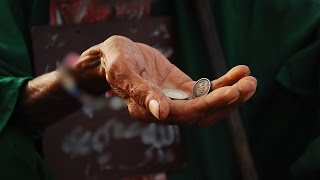
وَأَمَّا ٱلسَّآئِلَ فَلَا تَنْهَرْ.(10)

And as for the petitioner, do not repel [him].(10) [Ad-Dhuhaa: 10]

Back to surah / Surah 093 · Ad-Dhuhaa / Ayah 10

Section 01

Traditional understanding

Translation, tafseer from classical and modern scholars, transliteration, word-by-word grammar.

Translation Sahih International

And as for the petitioner, do not repel [him].(10)

Tafseer Abdullah Yusuf

Then there are the people who come with petitions-who have to ask for something. They may be genuine beggars asking for financial help, or ignorant people asking for knowledge, or timid people asking for some lead or encouragement. The common attitude is to scorn them or repulse them. The scorn may be shown even when alms or assistance is given to them. Such an attitude is wrong. Charity is of no moral value without sympathy and love. Nor is it charity to give to idle sturdy professional beggars, for show or to get rid of them. They are mere parasites on society. Every petition should be examined and judged on its merits.

Tafseer Dr. Farooq Azam

and do not chide away the beggar

Tafseer Ibn Abbas

(Therefore the beggar drive not away) nor rebuke,

Tafseer Jalalain

and as for the beggar, do not drive [him] away, [do not] repel him on account of his poverty,

Tafseer Ma’arif Ul-Quran

The verb tanhar is derived from nahr which means 'to scold'. The word sa'il means 'one who asks'. It includes a person who asks people's wealth, that is, a beggar, and it also includes the one who asks a question of knowledge, that is, an academic investigator. The Holy Prophet has forbidden to berate either of them. The best course of action is to give the beggar something. If one is unable to give a beggar anything, one should at least apologise to him politely [so as not to give him any further grief. Likewise, anyone who is searching knowledge and asks questions, it is forbidden to respond to him harshly and unkindly. The teacher should reply kindly and politely. However, if the investigator is unreasonable in his approach, it is permissible to scold him to the degree that is necessary.

Tafseer Mufti Taqi Usmani

and as for the beggar, do not scold him.

Tafseer Shaikh Ashiq Ilahi

Allah commands further, "Do not reproach the beggar." Just as orphans are often without benefactors and sympathisers, there are many people also without sympathisers and in need even though they are not orphans. Among these are people who are forced to beg. When one is unable to give a beggar anything, one should at least speak kindly to him so as not to give him further grief. It is against the nature of a believer to reproach a beggar because reproaching a beggar is tantamount to oppression. The Holy Prophet mentioned, "Send the beggar away with something even though it is with a burnt hoof"

Tafseer Tafheem Ul-Quran

It has two meanings.
A. If sa'il is taken in the sense of a needy person, who asks for help, it would mean that if you can,, you should help him; if you cannot you should excuse yourself politely, but should never scold him. In this sense the instruction corresponds to Allah's this favor: "You were poor, then Allah enriched you. "
B. And if sa'il is taken in the sense of the one who inquires, i. e. asks for enlightenment on a religious matter or injunction, it would mean that even if such a person be extremely ignorant and ill-mannered and might put the question, or present his problem, impolitely, you should in any case answer him politely and kindly, and should not turn him away like the rude people proud of their knowledge. In this meaning, the instruction corresponds to Allah's this favor: "You were unaware of the Way, then he guided you." Hadrat Abud-Darda`, Hasan Basri, Sufyan Thauri and some other scholars have preferred this second meaning, for in view of the order and sequence this instruction corresponds to: wa wajadaka daalllan fa hada.

Transliteration

Ayah 10

Waamma alssaila fala tanhar

Word-by-word

Ayah 10

# Arabic Pronunciation Meaning Root
1 وَأَمَّا Waamma And as for
2 السَّآئِلَ alssaila one who asks س أ ل
3 فَلَا fala then (do) not
4 تَنْهَرْ tanhar repel ن ه ر

Section 02

Cross-references

Similar verses elsewhere in the Qur’an and authentic ahadith narrated about this ayah.

Section 03

Articles & resources

Long-form articles, scientific commentary, and historical context linked from the legacy archive.

Section 04

Audio & video lectures

26 videos · 8 audio lectures from contemporary scholars.

Earn Paradise by Giving Charity - Pathway to Paradise with Mufti Hussain Kamani Mufti Hussain Kamani Video · youtube Earn Paradise by Giving Charity - Pathway to Paradise with Mufti Hussain Kamani Mufti Hussain Kamani Video · youtube The worth of a Mustard Seed, The importance of Sadaqa (Charity) - Sheikh Assim Al Hakeem Sheikh Assim Al Hakeem Video · youtube The worth of a Mustard Seed, The importance of Sadaqa (Charity) - Sheikh Assim Al Hakeem Sheikh Assim Al Hakeem Video · youtube What are benefits of charity Sadaqa Sheikh Assim Al Hakeem Video · youtube What are benefits of charity Sadaqa Sheikh Assim Al Hakeem Video · youtube Shaikh Salim Al-Amry - Reminder on giving in charity Sheikh Salim Al- Amry Video · youtube Shaikh Salim Al-Amry - Reminder on giving in charity Sheikh Salim Al- Amry Video · youtube Doing Business with Allah - Dr. Muhammad Salah Dr.Muhammad Salah Video · youtube Doing Business with Allah - Dr. Muhammad Salah Dr.Muhammad Salah Video · youtube Giving charity to get relief from problems By Muhammad Salah Dr.Muhammad Salah Video · youtube Giving charity to get relief from problems By Muhammad Salah Dr.Muhammad Salah Video · youtube Amazing Rewards For Giving Charity! Dr. Muhammad Salah Video · youtube Amazing Rewards For Giving Charity! Dr. Muhammad Salah Video · youtube The Meaning of Sadaqah (charity) - Muhammad Elshinawy Mohammad El Shinawy Video · youtube The Meaning of Sadaqah (charity) - Muhammad Elshinawy Mohammad El Shinawy Video · youtube What Have We Done in this 1st week of Ramadan & Being Charitable - Dr Bilal Philips Bilal Philips Video · youtube What Have We Done in this 1st week of Ramadan & Being Charitable - Dr Bilal Philips Bilal Philips Video · youtube [Emotional] Materialism & Charitable Deeds - Shaykh Dr. Haitham al-Haddad ᴴᴰ Haitham Al Haddad Video · youtube [Emotional] Materialism & Charitable Deeds - Shaykh Dr. Haitham al-Haddad ᴴᴰ Haitham Al Haddad Video · youtube Increasing Your Wealth ~ Sh. Haitham al-Haddad | Special Message & Words of Wisdom Haitham Al Haddad Video · youtube Increasing Your Wealth ~ Sh. Haitham al-Haddad | Special Message & Words of Wisdom Haitham Al Haddad Video · youtube Be Thankful - Dr. Bilal Philips Dr. Bilal Philips Video · youtube Be Thankful - Dr. Bilal Philips Dr. Bilal Philips Video · youtube Gratitude Attitude - By Dr. Bilal Philips Dr. Bilal Philips Video · youtube Gratitude Attitude - By Dr. Bilal Philips Dr. Bilal Philips Video · youtube Nouman Ali Khan – Ramadan 2016 – Giving Charity To Allah Nouman Ali Khan Audio lecture Nouman Ali Khan – Ramadan 2016 – Giving Charity To Allah Nouman Ali Khan Audio lecture Nouman Ali Khan – Amazed by the Quran – S02 – EP04 Fruits of Charity Nouman Ali Khan Audio lecture Nouman Ali Khan – Amazed by the Quran – S02 – EP04 Fruits of Charity Nouman Ali Khan Audio lecture Nouman Ali Khan – A Divine Remedy – Khutbah Nouman Ali Khan Audio lecture Nouman Ali Khan – A Divine Remedy – Khutbah Nouman Ali Khan Audio lecture Nouman Ali Khan – Amazed By The Quran – You Reap What You Sow Nouman Ali Khan Audio lecture Nouman Ali Khan – Amazed By The Quran – You Reap What You Sow Nouman Ali Khan Audio lecture

References

  1. Tafseer — Abdullah Yusuf
  2. Tafseer — Dr. Farooq Azam
  3. Tafseer — Ibn Abbas
  4. Tafseer — Jalalain
  5. Tafseer — Ma’arif Ul-Quran
  6. Tafseer — Mufti Taqi Usmani
  7. Tafseer — Shaikh Ashiq Ilahi
  8. Tafseer — Tafheem Ul-Quran
  9. Translation — Sahih International
  10. Hadith collections — 6 narrations from Bukhari, Muslim, Tirmidhi, Abu Dawud and others (see Cross-references)
  11. Linked articles — 16 long-form pieces

Ayat 11

وَأَمَّا بِنِعْمَةِ رَبِّكَ فَحَدِّثْ.(11)

But as for the favor of your Lord, report [it].(11) [Ad-Dhuhaa: 11]

Back to surah / Surah 093 · Ad-Dhuhaa / Ayah 11

Section 01

Traditional understanding

Translation, tafseer from classical and modern scholars, transliteration, word-by-word grammar.

Translation Sahih International

But as for the favor of your Lord, report [it].(11)

Tafseer Abdullah Yusuf

Besides the petitioners, who ask for help, there is the case of those who do not ask but are nevertheless poor-poor but contented in worldly goods, or poor in knowledge or resources and not even knowing that they are poor. If you are bountifully endowed by Allah, your duty is to make that Bounty spread far and wide. Proclaim it and share it, as the Prophet always did. Spiritually we all belong to one of these three classes in one sense or another-orphans, petitioners, and victims of poverty. We all receive Allah's grace and guidance in some degree or other. We all owe it as a duty to our fellow-men to be kind and helpful to those less endowed in any respect than ourselves.

Tafseer Dr. Farooq Azam

and speak gratefully about the bounty of your Rabb

Tafseer Ibn Abbas

(Therefore of the bounty of thy Lord) through prophethood and Islam (be thy discourse) speak to people and let them know about it'. And of the surah in which “Have We not caused your bosom to dilate” is mentioned, which is all Meccan and consists of 8 verses, 27 words and 103 letters:

Tafseer Jalalain

and as for your Lord’s grace, to you, by way of prophethood and otherwise, proclaim [it], make it known. The omission in certain instances of the [suffixed] pronoun referring to the Prophet (s) from the end of the verbs is intended to sustain the end-rhyme of the verses. Meccan, consisting of 8 verses.

Tafseer Ma’arif Ul-Quran

The verb hadith is derived from tahdith which means 'to talk' meaning, just as you were poor and needy, and Allah made you wealthy, then talk about Allah's favours upon you'. Talking about Divine favours to people is one way of thanking Allah. If a person has done something good to another, he should be thanked. Therefore, the Holy Prophet is reported to have said: "Whoever is not thankful to people on their favours is not thankful to Allah." [This is transmitted by Ahmad. The chain of authorities are reliable - vide Mazhari. The Holy Prophet is reported to have said: "Whoever has done good to you, you ought to return the good. If you are unable to return the pecuniary good, then praise him in public, because he who praises people in public fulfils his moral obligation." [Al-BaghawI transmitted it from Jabir Ibn 'Abdullah, vide Mazhari].

Tafseer Mufti Taqi Usmani

It is one of the forms of offering gratitude to Allah to tell other people about the bounties conferred by Allah on oneself

Tafseer Shaikh Ashiq Ilahi

Allah concludes the Surah by saying, "Speak about the favours of your Lord." bounties are not restricted to this world but extend into the Akhirah ( Hereafter) as well. Allah gave the Holy Prophet honour and respect in addition to the greatest bounty of Prophethood. The Holy Prophet had millions of followers in the past, has millions today and will have many millions until the Day of Judgment. There are millions of Duruds ( Benedictions) dedicated to him at all times. In appreciation of all these bounties, Allah Ta'ala instructs the Holy Prophet to speak about His bounties. This verse also instructs the Ummah to do the same. One should bear in mind that one should not be boasting when speaking about Allah's bounties. Sayyidina Malik bin Nadhr narrates that he once appeared before the Holy Prophet while wearing clothes of an extremely poor quality. The Holy Prophet asked him whether he had any wealth. When he replied in the affirmative, The Holy Prophet asked him what wealth he possessed. He replied by saying that he had every type of wealth: camels, cows, goats, horses and slaves. The Holy Prophet then told him, " If Allah has given you wealth, the sign of this wealth ought to be visible on you." ["Mishkat" p. 375] It is therefore necessary that Allah's bounties be made known in one's wealth, on one's person and on one's tongue. It will not be redundant to reiterate that when one is recounting Allah's bounties on one, one's intention should not be to boast and show off. Sayyidina Abdullah bin Abbas has mentioned, "Eat what you please and wear what you please as long as you avoid two things,; extravagance and pride."

Tafseer Tafheem Ul-Quran

The word ni 'mat (bounty) is general, which also implies those bounties, which Allah had bestowed on His Messenger until the revelation of this Surah as well as those which He bestowed on him afterwards according to the promise made in this Surah, which He fulfilled completely. Then, it is enjoined:"O Prophet, mention and proclaim every bounty that Allah has favored you with." Now, obviously, there can be different forms and ways of mentioning and proclaiming the bounties and every bounty in view of its nature, requires a special form or its mention and proclamation. As a whole, the way of proclaiming the bounties is that Allah be thanked with the tongue and the truth be acknowledged that all the bounties received are only due to His grace and favor and none is the result of any personal excellence and merit on his part. The blessing of Prophethood can be proclaimed by preaching and conveying its message in the best way possible. The blessing of the Qur'an can be proclaimed by publicizing it widely and impressing its teachings on the peoples minds as far as one can. The blessing of Allah's guidance can be proclaimed by showing the right way to the people who are gone astray and by enduring patiently all the bitternesses and hardships of the way. The favor that Allah has done of helping during orphanhood, demands that the orphans be treated well. The favor that Allah did of enriching after poverty requires that Allah's needy servants be helped and supported. In short, this is a very comprehensive instruction which Allah gave His Messenger (upon whom be His peace) in this brief sentence after having described His bounties and blessings.

Transliteration

Ayah 11

Waamma biniAAmati rabbika fahaddith

Word-by-word

Ayah 11

# Arabic Pronunciation Meaning Root
1 وَأَمَّا Waamma But as for
2 بِنِعْمَةِ biniAAmati (the) Favor ن ع م
3 رَبِّكَ rabbika (of) your Lord ر ب ب
4 فَحَدِّثْ fahaddith narrate ح د ث

Section 02

Cross-references

Similar verses elsewhere in the Qur’an and authentic ahadith narrated about this ayah.

Section 03

Articles & resources

Long-form articles, scientific commentary, and historical context linked from the legacy archive.

Section 04

Audio & video lectures

22 videos · 12 audio lectures from contemporary scholars.

Countless Blessings Of Allah (SWA) Ahmed Ali Video · youtube Countless Blessings Of Allah (SWA) Ahmed Ali Video · youtube The Gift Of Gratitude ᴴᴰ - Are we thankful to Allah (swt) for his blessings? - Beautiful Reminder Ahmed Ali Video · youtube The Gift Of Gratitude ᴴᴰ - Are we thankful to Allah (swt) for his blessings? - Beautiful Reminder Ahmed Ali Video · youtube 'If You Are Thankful - I Will Increase You' ᴴᴰ ┇ #Promises ┇ by Sheikh Muhammad Alshareef ┇ TDR ┇ Sheikh Muhammad Alshareef Video · youtube 'If You Are Thankful - I Will Increase You' ᴴᴰ ┇ #Promises ┇ by Sheikh Muhammad Alshareef ┇ TDR ┇ Sheikh Muhammad Alshareef Video · youtube TOPIC : our values - Gratitude | Sh.Assim Bin Luqman Alhakeem Sheikh Assim Al Hakeem Video · youtube TOPIC : our values - Gratitude | Sh.Assim Bin Luqman Alhakeem Sheikh Assim Al Hakeem Video · youtube Salim al-Amry - The Blessings of Islam - Being Content as a Muslim Sheikh Salim Al- Amry Video · youtube Salim al-Amry - The Blessings of Islam - Being Content as a Muslim Sheikh Salim Al- Amry Video · youtube Thanking Allah for His Many Blessings and Favors (Dr. Muhammad Salah) Dr.Muhammad Salah Video · youtube Thanking Allah for His Many Blessings and Favors (Dr. Muhammad Salah) Dr.Muhammad Salah Video · youtube Patience and Gratitude - Muhammad Tim Humble - FNR Kalemah Muhammed Tim Humble Video · youtube Patience and Gratitude - Muhammad Tim Humble - FNR Kalemah Muhammed Tim Humble Video · youtube Being Grateful - Dr. Bilal Philips Bilal Philips Video · youtube Being Grateful - Dr. Bilal Philips Bilal Philips Video · youtube Being Thankful to Allah | Qur'an Reflections with Sheikh Dr Haitham Al-Haddad Haitham Al Haddad Video · youtube Being Thankful to Allah | Qur'an Reflections with Sheikh Dr Haitham Al-Haddad Haitham Al Haddad Video · youtube Yasir Qadhi | Giving Thanks And Being Grateful To Allah | Beneficial Reminder Yasir Qadhi Video · youtube Yasir Qadhi | Giving Thanks And Being Grateful To Allah | Beneficial Reminder Yasir Qadhi Video · youtube Giving Thanks and Being Grateful to Allah Sh. Dr. Yasir Qadhi Video · youtube Giving Thanks and Being Grateful to Allah Sh. Dr. Yasir Qadhi Video · youtube Yasir Qadhi – Giving Thanks And Being Grateful To Allah Yasir Qadhi Audio lecture Yasir Qadhi – Giving Thanks And Being Grateful To Allah Yasir Qadhi Audio lecture Nouman Ali Khan – Al-Furqan Being Peaceful and Grateful Nouman Ali Khan Audio lecture Nouman Ali Khan – Al-Furqan Being Peaceful and Grateful Nouman Ali Khan Audio lecture Nouman Ali Khan – How Gratitude Shapes Our Lives – Khutbah Nouman Ali Khan Audio lecture Nouman Ali Khan – How Gratitude Shapes Our Lives – Khutbah Nouman Ali Khan Audio lecture Shukr 1 Akhlaaq Husen Audio lecture Shukr 1 Akhlaaq Husen Audio lecture Shukr 2 Akhlaaq Husen Audio lecture Shukr 2 Akhlaaq Husen Audio lecture Shukr 3 Akhlaaq Husen Audio lecture Shukr 3 Akhlaaq Husen Audio lecture

References

  1. Tafseer — Abdullah Yusuf
  2. Tafseer — Dr. Farooq Azam
  3. Tafseer — Ibn Abbas
  4. Tafseer — Jalalain
  5. Tafseer — Ma’arif Ul-Quran
  6. Tafseer — Mufti Taqi Usmani
  7. Tafseer — Shaikh Ashiq Ilahi
  8. Tafseer — Tafheem Ul-Quran
  9. Translation — Sahih International
  10. Hadith collections — 2 narrations from Bukhari, Muslim, Tirmidhi, Abu Dawud and others (see Cross-references)
  11. Linked articles — 4 long-form pieces

Now Playing Ayah